


Trending
€57.50
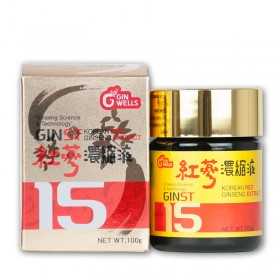
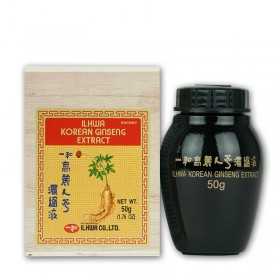
ILHWA GINST15 Korean Red Ginseng Extract
€61.46 €81.95 -25%
€62.50

€26.63 €35.50 -25%

€62.50
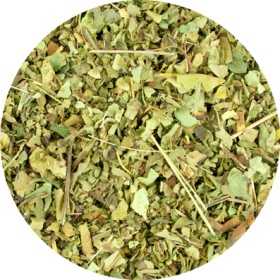
Lungwort - Pulmonaria officinalis
€5.91 €6.95 -15%
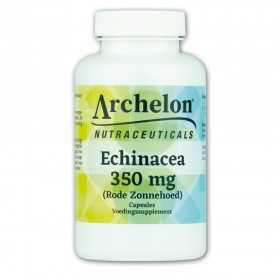
Echinacea (Red Coneflower) - 350 mg
€15.96 €19.95 -20%
€72.50

€54.95
€40.13 €53.50 -25%
Latest Blog

Best sellers
There are 394 products.
Pau D'arco - Tabeuiae
Pau d’arco (Tabebuia avellanedae) is a tree native to the Amazon region. Traditionally, the inner layer of the bark is primarily used. This bark has a long history within various cultures in South America.
Pau d’arco bark naturally contains various plant compounds, including flavonoids and quinones. More than twenty different quinone compounds have been identified in the bark, including lapachol and beta-lapachone. These compounds contribute to the characteristic composition of pau d’arco.
Pau d’arco is traditionally made into tea or other herbal preparations and is valued for its natural origins and rich plant profile.
Pau d’arco bark naturally contains various plant compounds, including flavonoids and quinones. More than twenty different quinone compounds have been identified in the bark, including lapachol and beta-lapachone. These compounds contribute to the characteristic composition of pau d’arco.
Pau d’arco is traditionally made into tea or other herbal preparations and is valued for its natural origins and rich plant profile.
€2.60
From: €2.60
Fenugreek - Foenugraeci graecum
Fenugreek (Trigonella foenum-graecum), also known as fenugreek, fenugreek, or Greek hay, is a versatile plant native to the Mediterranean and later became popular in parts of Asia.
The aromatic seeds and leaves are widely used as a spice in Indian cuisine and can help soften bitter flavors in dishes or products. Fenugreek contains minerals such as iron and copper, and naturally occurring compounds like saponins and coumarins, the latter contributing to its characteristic hay-like aroma.
The aromatic seeds and leaves are widely used as a spice in Indian cuisine and can help soften bitter flavors in dishes or products. Fenugreek contains minerals such as iron and copper, and naturally occurring compounds like saponins and coumarins, the latter contributing to its characteristic hay-like aroma.
€2.00
From: €2.00
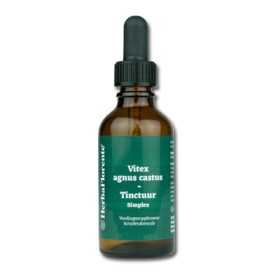
Monk's Pepper Tincture - Vitex agnus castus Tincture
Single herbal tincture made with dried seed of Vitex agnus castus (Monk's Pepper).
Chasteberry (Vitex agnus castus L.), also known as chaste tree berries, is a plant native to the Mediterranean region. The name "chasteberry" refers to its historical use by monks, who used the herb for its supposed effects on physical desire.
Today, chasteberry is widely used in herbal products and supplements. The plant's fruits contain various plant compounds, including flavonoids and iridoids, which give the herb its unique properties. Chasteberry is popular in traditional herbalism and is valued for its long history of use.
Chasteberry (Vitex agnus castus L.), also known as chaste tree berries, is a plant native to the Mediterranean region. The name "chasteberry" refers to its historical use by monks, who used the herb for its supposed effects on physical desire.
Today, chasteberry is widely used in herbal products and supplements. The plant's fruits contain various plant compounds, including flavonoids and iridoids, which give the herb its unique properties. Chasteberry is popular in traditional herbalism and is valued for its long history of use.
€9.95
Echinacea (Coneflower) - Echinaceae purp.
The purple coneflower (Echinacea purpurea) is a perennial plant belonging to the Asteraceae family. The genus name Echinacea is derived from the Greek word echinos, meaning "hedgehog," and refers to the spiky flower cone that characterizes this plant.
Echinacea purpurea is native to North America and is now cultivated worldwide. The plant has striking purplish-pink flowers and is valued for its ornamental appearance and botanical properties. Since the early twentieth century, there has been considerable interest in this species in Europe, leading to extensive botanical and historical research.
Echinacea purpurea is native to North America and is now cultivated worldwide. The plant has striking purplish-pink flowers and is valued for its ornamental appearance and botanical properties. Since the early twentieth century, there has been considerable interest in this species in Europe, leading to extensive botanical and historical research.
€4.00
From: €4.00
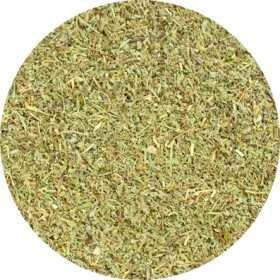
Smooth rupturewort - Herniaria glabra
Breechwort (Herniaria glabra) is a low-growing herbaceous plant in the carnation family (Caryophyllaceae). The plant can be annual, biennial, or perennial and typically blooms from June to October. Its modest size and growth habit make it particularly noticeable in dry, open areas.
The plant is native to parts of Europe and prefers sandy, poor soil. Its creeping habit and small, greenish flowers often make it inconspicuous in the landscape.
Historical Context
The Dutch name "breukruid" refers to the plant's use in earlier times. Historical herbals and folklore sources mention "breechwort" in connection with traditional uses. These names and descriptions reflect the thinking and customs of the time.
The plant is native to parts of Europe and prefers sandy, poor soil. Its creeping habit and small, greenish flowers often make it inconspicuous in the landscape.
Historical Context
The Dutch name "breukruid" refers to the plant's use in earlier times. Historical herbals and folklore sources mention "breechwort" in connection with traditional uses. These names and descriptions reflect the thinking and customs of the time.
€2.00
From: €2.00

Magnesium Citrate - 500 mg
Magnesium is available in various organic forms, including magnesium citrate and magnesium malate. These forms are widely used in dietary supplements due to their chemical composition. Magnesium is an essential mineral involved in numerous processes in the body.
The mineral contributes to normal energy-yielding metabolism and supports the normal functioning of muscles and the nervous system. Magnesium also contributes to normal protein synthesis, proper electrolyte balance, and normal psychological function. Magnesium also plays a role in normal cell division and contributes to the maintenance of normal bones and teeth.
This makes magnesium an important mineral to supplement a varied and balanced diet.
The mineral contributes to normal energy-yielding metabolism and supports the normal functioning of muscles and the nervous system. Magnesium also contributes to normal protein synthesis, proper electrolyte balance, and normal psychological function. Magnesium also plays a role in normal cell division and contributes to the maintenance of normal bones and teeth.
This makes magnesium an important mineral to supplement a varied and balanced diet.
€17.95
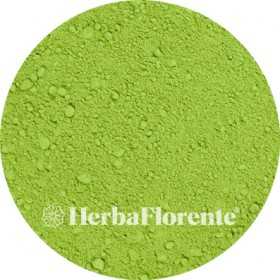
Barley grass - Hordeum vulgare
Barley grass is obtained by allowing barley to fully germinate and cutting off the green shoots when they are 20–30 cm tall. The grass is often dried and processed into powder.
Barley grass contains natural nutrients such as bioflavonoids, beta-carotene, a range of vitamins (A, B1, B2, B3, B6, B12, C, E, and K), and minerals such as calcium, phosphorus, potassium, iron, and zinc. It is also rich in chlorophyll and contains all the essential amino acids.
Barley grass contains natural nutrients such as bioflavonoids, beta-carotene, a range of vitamins (A, B1, B2, B3, B6, B12, C, E, and K), and minerals such as calcium, phosphorus, potassium, iron, and zinc. It is also rich in chlorophyll and contains all the essential amino acids.
€2.60
From: €2.60
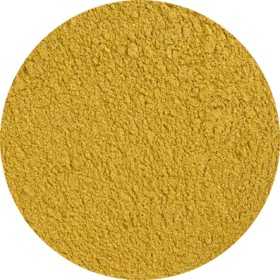
Aniseed - Anisi Vulgaris (Pimpinella anisum)
Anise seed has a naturally sweet, warm taste reminiscent of licorice. It is a versatile seasoning that can be used in both sweet and savory dishes. All over the world, anise seed is used in confectionery, and it is also often added to liqueurs, such as Ouzo.
You can add anise seeds to bread, pastries, cookies, fruit and gingerbread. In Indian cuisine, anise is indispensable in curries and fish dishes, and it gives a delicious flavor to vegetables such as pumpkin and carrot. In the Netherlands it is a tradition to use anise seed on rusk with mice at birth.
Anise seed tea has a warm, mild flavor and is popular as an after-dinner tea.
You can add anise seeds to bread, pastries, cookies, fruit and gingerbread. In Indian cuisine, anise is indispensable in curries and fish dishes, and it gives a delicious flavor to vegetables such as pumpkin and carrot. In the Netherlands it is a tradition to use anise seed on rusk with mice at birth.
Anise seed tea has a warm, mild flavor and is popular as an after-dinner tea.
€2.80
From: €2.80
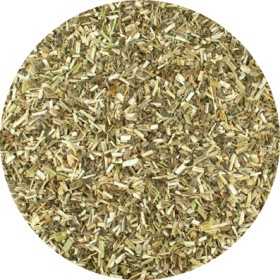
Betony - Wood Betony - Betonica officinalis
Betony, also known as feverwort (Betonica officinalis, synonym Stachys officinalis), is a herbaceous plant in the Lamiaceae family. In the Netherlands and Belgium, the species is listed on the Red List of Plants and is classified as very rare, with a sharply declining population. In addition to its natural habitat, betony is also frequently cultivated as an ornamental.
The plant reaches a height of approximately 30 to 90 centimeters and blooms from June to August. The flowers are usually purplish-red, although white varieties also occur. They are clustered in dense, spike-shaped, pseudo-inflorescences. Most leaves form a basal rosette; the lower leaves have long petioles, while the upper leaves have short petioles. All leaves have distinctly reticulate venation.
The plant reaches a height of approximately 30 to 90 centimeters and blooms from June to August. The flowers are usually purplish-red, although white varieties also occur. They are clustered in dense, spike-shaped, pseudo-inflorescences. Most leaves form a basal rosette; the lower leaves have long petioles, while the upper leaves have short petioles. All leaves have distinctly reticulate venation.
€3.20
From: €3.20
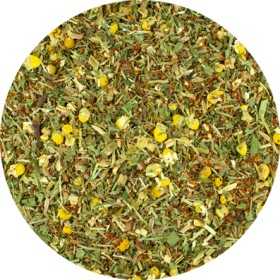
Early Morning Herbal Tea
Herbal tea composed of various herbs
Nice for early morning
Nice for early morning
€3.95
Vlezige Hokjespeul (Astragalus) - Astragalus chinensis membranus
Astragalus, also known as fleshy box pod (Astragalus membranaceus), is a plant native to Asia. The root of the plant has been used in traditional Chinese culture for thousands of years.
Astragalus holds an important place in this tradition and is associated with the concept of "qi," which represents life energy. Astragalus is used in a variety of applications, such as herbal teas, powders, and other herbal preparations.
The root contains various natural plant compounds and is valued for its long history of traditional use.
Astragalus holds an important place in this tradition and is associated with the concept of "qi," which represents life energy. Astragalus is used in a variety of applications, such as herbal teas, powders, and other herbal preparations.
The root contains various natural plant compounds and is valued for its long history of traditional use.
€2.90
From: €2.90
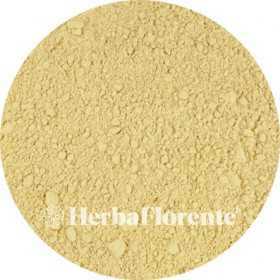
Ginseng (Panax) - Panax ginseng
Panax ginseng is a plant with a slow-growing, sturdy root and belongs to the Araliaceae family. It is one of the most well-known plants in traditional Chinese medicine and has been used in Asia for thousands of years.
The name "Panax" comes from the Greek word for "all-healer," referring to the plant's historical reputation in traditional medicine. Panax ginseng contains unique compounds called ginsenosides, which are found only in this plant.
Other plants with "ginseng" in their names, such as Siberian ginseng (Eleutherococcus senticosus) or Indian ginseng/Ashwagandha (Withania somnifera), belong to different plant families and do not contain these specific ginsenosides.
The name "Panax" comes from the Greek word for "all-healer," referring to the plant's historical reputation in traditional medicine. Panax ginseng contains unique compounds called ginsenosides, which are found only in this plant.
Other plants with "ginseng" in their names, such as Siberian ginseng (Eleutherococcus senticosus) or Indian ginseng/Ashwagandha (Withania somnifera), belong to different plant families and do not contain these specific ginsenosides.
€16.00
From: €16.00
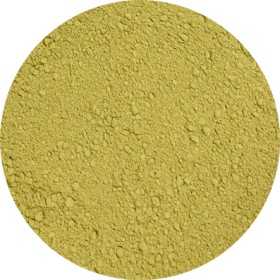
Basil - Basilici
Basil (Ocimum basilicum) is an aromatic plant in the Lamiaceae family. The name basil is derived from the Ancient Greek word basileus, meaning "king." This origin also underlies the alternative name "king's herb." Basil is native to regions between Central Africa and Southeast Asia, where it has long been valued.
Basil appears in various traditional systems and historical sources as part of cultural and herbal uses. Ancient texts and pharmacopoeias mention the plant in a variety of contexts, giving it a special place in the history of herbal traditions.
Basil is recognizable by its soft, green leaves and characteristic aroma. The plant naturally contains various aromatic and plant compounds, including essential oils and polyphenols.
Basil appears in various traditional systems and historical sources as part of cultural and herbal uses. Ancient texts and pharmacopoeias mention the plant in a variety of contexts, giving it a special place in the history of herbal traditions.
Basil is recognizable by its soft, green leaves and characteristic aroma. The plant naturally contains various aromatic and plant compounds, including essential oils and polyphenols.
€2.00
From: €2.00
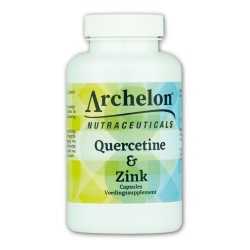
Quercetin & Zinc
Quercetin is a flavonoid (also called a bioflavonoid) that occurs naturally in various plants, fruits, and vegetables. Flavonoids are responsible for the vibrant colors in plants and contribute to various biochemical processes, such as regulating growth and protecting against UV light, oxidation, and heat.
Zinc is available in different forms. Zinc bisglycinate has a very good bioavailability. It is a chelated form of zinc bound to two (bis) molecules of the amino acid glycine which has more benefits for the body. Zinc has a very wide range of action and is involved in many body processes. Zinc is essential for the activity of more than 300 enzymes that have the zinc ion as a cofactor.
Zinc is available in different forms. Zinc bisglycinate has a very good bioavailability. It is a chelated form of zinc bound to two (bis) molecules of the amino acid glycine which has more benefits for the body. Zinc has a very wide range of action and is involved in many body processes. Zinc is essential for the activity of more than 300 enzymes that have the zinc ion as a cofactor.
€34.95
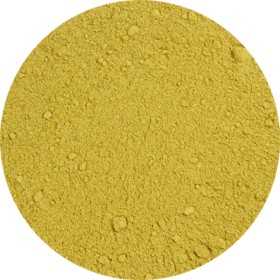
Oregano - Origani cetici
Oregano (Origanum vulgare), also known as wild marjoram, is an aromatic herb that has been used for thousands of years in various cuisines and cultures. The herb belongs to the Lamiaceae family, which also includes rosemary, thyme, and mint.
Oregano naturally contains several plant compounds, including carvacrol, which is responsible for its characteristic spicy and slightly bitter flavor. This compound contributes to oregano's distinct aroma.
The most aromatic oregano grows naturally in Mediterranean mountain regions on calcareous soils. Wild oregano blooms in spring, after which it is traditionally harvested. Thanks to its flavor and composition, oregano is widely used in culinary applications and herbal teas.
Oregano naturally contains several plant compounds, including carvacrol, which is responsible for its characteristic spicy and slightly bitter flavor. This compound contributes to oregano's distinct aroma.
The most aromatic oregano grows naturally in Mediterranean mountain regions on calcareous soils. Wild oregano blooms in spring, after which it is traditionally harvested. Thanks to its flavor and composition, oregano is widely used in culinary applications and herbal teas.
€3.00
From: €3.00

Cat's Claw - Uncaria tomentosa
Cat's claw (Uncaria tomentosa), also known as cat's claw, is a climbing plant native to the Amazon region of Brazil and Peru, among other places. The plant grows in rainforests and can cling to trees with its characteristic, claw-shaped thorns. These thorns, located at the base of the leaves, give the plant its name and enable it to climb to great heights.
In the Peruvian Amazon, cat's claw has special cultural significance and is considered part of traditional plant knowledge. Due to its origins and ecological importance, the species is a protected plant in certain regions.
In the Peruvian Amazon, cat's claw has special cultural significance and is considered part of traditional plant knowledge. Due to its origins and ecological importance, the species is a protected plant in certain regions.
€2.60
From: €2.60
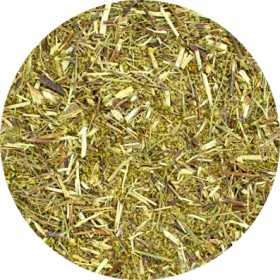
Herb Royal - Artemisia abrotani
Southernwood (Artemisia abrotanum) is a bushy, aromatic shrub belonging to the Asteraceae family. The plant is native to Southern Europe but was introduced early on to more northerly parts of Europe, where it adapted well.
Summer lemongrass has a long cultural and historical background. In ancient traditions of Germanic peoples, the plant was used symbolically in rituals, while the Romans prized it for its fragrance and made the perfume Abrotenum from it. Due to its aromatic properties, summer lemongrass was also used for household and cosmetic purposes.
Summer lemongrass has a long cultural and historical background. In ancient traditions of Germanic peoples, the plant was used symbolically in rituals, while the Romans prized it for its fragrance and made the perfume Abrotenum from it. Due to its aromatic properties, summer lemongrass was also used for household and cosmetic purposes.
€2.40
From: €2.40
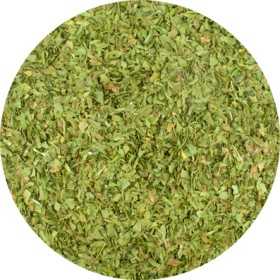
Lovage - Levisticum officinale
Lovage, also known as the maggi plant, is a perennial plant from the umbellifer family (Apiaceae). The name "maggi plant" refers to the strong smell, which is reminiscent of the maggi aroma. However, the herb is not an ingredient in the original Maggi recipe.
Originally from Southeast Asia and Iran, the Romans spread lovage throughout Europe during their conquests. Today, the plant grows in large parts of Europe and North America and occasionally occurs in northern Thailand.
Originally from Southeast Asia and Iran, the Romans spread lovage throughout Europe during their conquests. Today, the plant grows in large parts of Europe and North America and occasionally occurs in northern Thailand.
€3.50
From: €3.50
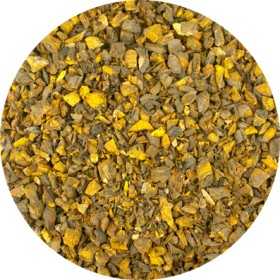
Russian / Chinese Rhubarb - Rheum palmatum / Rheum officinalis
Rheum officinale, also known as Chinese rhubarb or Russian rhubarb, belongs to the knotweed family (Polygonaceae). The plant is native to mountainous regions of western and northwestern China, India, Tibet, Russia, and Turkey, at altitudes between 1,200 and 4,000 meters. Rheum officinale can reach a height of 1.5 to 2 meters.
The stems of the plant are often used as food, while the leaves contain oxalic acid and are therefore unsuitable for consumption.
The stems of the plant are often used as food, while the leaves contain oxalic acid and are therefore unsuitable for consumption.
€2.50
From: €2.50
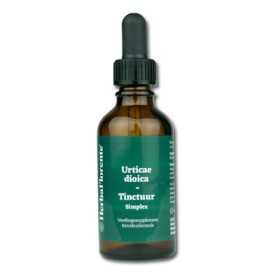
Nettle Tincture - Urticae dioica Tincture
Single herbal tincture made with dried herb of Urticae dioica (Nettle).
The stinging nettle (Urtica dioica) is a herbaceous plant found in many places and known for its stinging hairs, which cause a tingling sensation when touched. Despite this characteristic, the plant has been valued and used in various cultures for centuries. It is used in culinary preparations such as soup and herbal tea.
The plant is native to large parts of Europe, Asia, and Africa. The Latin name Urtica dioica refers to the plant's pungent nature. Historical and botanical sources describe both the leaves and roots as being traditionally collected and processed.
The stinging nettle (Urtica dioica) is a herbaceous plant found in many places and known for its stinging hairs, which cause a tingling sensation when touched. Despite this characteristic, the plant has been valued and used in various cultures for centuries. It is used in culinary preparations such as soup and herbal tea.
The plant is native to large parts of Europe, Asia, and Africa. The Latin name Urtica dioica refers to the plant's pungent nature. Historical and botanical sources describe both the leaves and roots as being traditionally collected and processed.
€10.95
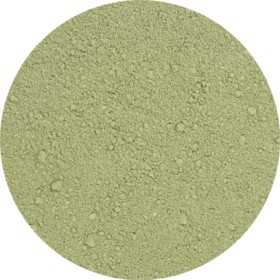
Ribwort Plantain - Plantaginis lanceolata
Ribwort plantain (Plantago lanceolata) is a native plant found in Europe, parts of Asia, North Africa, and North America. It prefers moist, sandy soil and can be found in grasslands, along roads and railways, and even between paving stones.
Ribwort plantain can reach a height of about 75 centimeters and has long, narrow leaves. Starting in May, the plant blooms with light green flower spikes bearing striking white stamens.
The young leaves contain various natural plant compounds, including mucilage, tannins, bitter substances, and flavonoids, as well as minerals such as potassium and zinc. Ribwort plantain has a long history of traditional and folklore uses and is often considered a common wild plant.
Ribwort plantain can reach a height of about 75 centimeters and has long, narrow leaves. Starting in May, the plant blooms with light green flower spikes bearing striking white stamens.
The young leaves contain various natural plant compounds, including mucilage, tannins, bitter substances, and flavonoids, as well as minerals such as potassium and zinc. Ribwort plantain has a long history of traditional and folklore uses and is often considered a common wild plant.
€2.40
From: €2.40
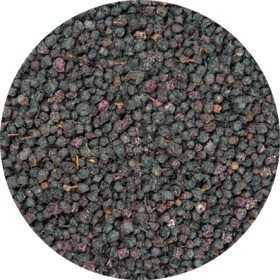
Blue Berrie - Vaccinium mytrillus, Frucus myrtilli
The Blue Berrie(Vaccinium myrtillus) is a small, dark blue berry native to wooded areas of Europe and Northern Asia. The plant belongs to the heather family (Ericaceae) and is known for its characteristic flavor and wide range of uses in food.
Bilberries have long been valued in culinary traditions and are used in products such as jams, juices, desserts, and baked goods. Their deep color and natural composition make them a familiar ingredient in both traditional and modern cuisines.
The berries naturally contain various plant compounds, including flavonoids and anthocyanins, as well as fiber and other nutritional components. This composition is often mentioned in botanical and nutritional descriptions of the plant.
Bilberries have long been valued in culinary traditions and are used in products such as jams, juices, desserts, and baked goods. Their deep color and natural composition make them a familiar ingredient in both traditional and modern cuisines.
The berries naturally contain various plant compounds, including flavonoids and anthocyanins, as well as fiber and other nutritional components. This composition is often mentioned in botanical and nutritional descriptions of the plant.
€8.20
From: €8.20
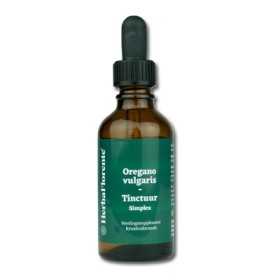
Oregano Tincture - Oregano vulgaris Tincture
Single herbal tincture made with dried herb of Oregano vulgaris (Oregano).
Oregano (Origanum vulgare), also known as wild marjoram, is an aromatic herb that has been used for thousands of years in various cuisines and cultures. The herb belongs to the Lamiaceae family, which also includes rosemary, thyme, and mint.
Oregano naturally contains several plant compounds, including carvacrol, which is responsible for its characteristic spicy and slightly bitter flavor. This compound contributes to oregano's distinct aroma.
The most aromatic oregano grows naturally in Mediterranean mountain regions on calcareous soils. Wild oregano blooms in spring, after which it is traditionally harvested. Thanks to its flavor and composition, oregano is widely used in culinary applications and herbal teas.
Oregano (Origanum vulgare), also known as wild marjoram, is an aromatic herb that has been used for thousands of years in various cuisines and cultures. The herb belongs to the Lamiaceae family, which also includes rosemary, thyme, and mint.
Oregano naturally contains several plant compounds, including carvacrol, which is responsible for its characteristic spicy and slightly bitter flavor. This compound contributes to oregano's distinct aroma.
The most aromatic oregano grows naturally in Mediterranean mountain regions on calcareous soils. Wild oregano blooms in spring, after which it is traditionally harvested. Thanks to its flavor and composition, oregano is widely used in culinary applications and herbal teas.
€10.95
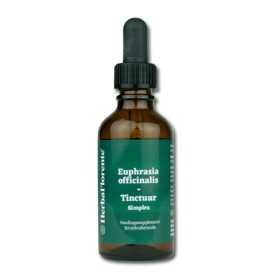
Eyebright Tincture - Euphrasia officinalis Tincture
Single herbal tincture made with dried herb of Euphrasia officinalis (Eyebright).
The Eyebright (Euphrasia officinalis) belongs to the broomrape family (Orobanchaceae) and mainly thrives in France, with the exception of the Mediterranean region. This plant can also be found in other parts of Europe, such as Germany, Austria and Scotland.
The Eyebright is an annual plant that usually grows between 10 and 25 cm high and is covered with numerous long glandular hairs. From May to September the plant blooms with white flowers that often have a light purple upper lip and a yellow spot on the lower lip.
The Eyebright (Euphrasia officinalis) belongs to the broomrape family (Orobanchaceae) and mainly thrives in France, with the exception of the Mediterranean region. This plant can also be found in other parts of Europe, such as Germany, Austria and Scotland.
The Eyebright is an annual plant that usually grows between 10 and 25 cm high and is covered with numerous long glandular hairs. From May to September the plant blooms with white flowers that often have a light purple upper lip and a yellow spot on the lower lip.
€10.95