


Trending
€57.50
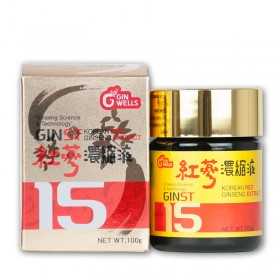
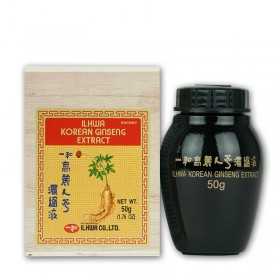
ILHWA GINST15 Korean Red Ginseng Extract
€61.46 €81.95 -25%
€62.50
€26.63 €35.50 -25%

€62.50
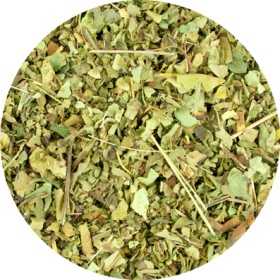
Lungwort - Pulmonaria officinalis
€5.91 €6.95 -15%
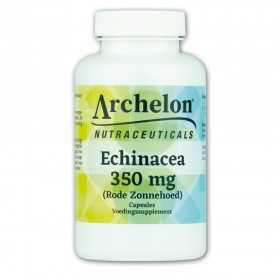
Echinacea (Red Coneflower) - 350 mg
€15.96 €19.95 -20%
€72.50

€54.95
€40.13 €53.50 -25%
Movement
There are 94 products.
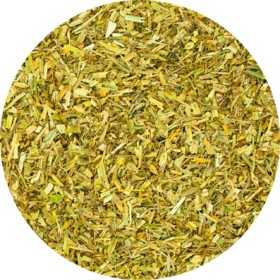
Pansy, Herb trinit Herb - Viola tricolor - Cut
The pansy (Viola tricolor), also known as the wild violet, is an ornamental plant that has been part of European botanical knowledge for centuries. The tricolor violet belongs to the pansy family (Violaceae) and is native to Europe, from Lapland to the Mediterranean, and even to Siberia.
This plant, which is annual but can sometimes be perennial, grows to a height of 30 cm and has roots that can reach depths of up to 45 cm. Its flowering period extends from May to October. The flowers are at least 1 cm wide, but usually larger, with an average diameter of 1.5 cm. The plant was first described by the renowned botanist Rembert Dodoens in 1554.
This plant, which is annual but can sometimes be perennial, grows to a height of 30 cm and has roots that can reach depths of up to 45 cm. Its flowering period extends from May to October. The flowers are at least 1 cm wide, but usually larger, with an average diameter of 1.5 cm. The plant was first described by the renowned botanist Rembert Dodoens in 1554.
€2.00
From: €2.00
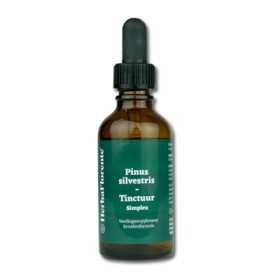
Pine Tincture - Pinus silvestris Tincture
Single herbal tincture made with dried needle of Pinus silvestris (Pine).
The Scots pine (Pinus sylvestris) belongs to the pine family (Pinaceae) and can reach an age of 200 to 300 years. This tree is known for its rich resin content and characteristic pine scent.
The needles and buds of the Scots pine contain natural compounds such as tannins, flavonoids, and vitamins. The tree's resin contains turpentine and a large number of monoterpenes, including α-pinene, β-pinene, and limonene, which are components of the tree's essential oil.
Scots pine is traditionally used in various applications, such as in aromatic products and in the production of pine oil. Both needles and buds are used in some traditional preparations for their fragrance and flavor.
The Scots pine (Pinus sylvestris) belongs to the pine family (Pinaceae) and can reach an age of 200 to 300 years. This tree is known for its rich resin content and characteristic pine scent.
The needles and buds of the Scots pine contain natural compounds such as tannins, flavonoids, and vitamins. The tree's resin contains turpentine and a large number of monoterpenes, including α-pinene, β-pinene, and limonene, which are components of the tree's essential oil.
Scots pine is traditionally used in various applications, such as in aromatic products and in the production of pine oil. Both needles and buds are used in some traditional preparations for their fragrance and flavor.
€9.95
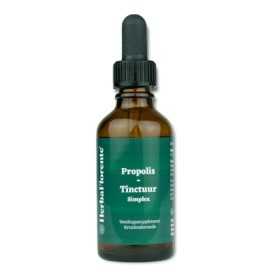
Propolis - Propolis
Propolis, the secret weapon of the bee colony, is used to protect the hive or hive against bacteria and fungi and as 'cement' to close the openings. It is a natural brown-red substance consisting of vegetable resins, beeswax, essential oils and pollen, with traces of vitamins and minerals.
From June onwards, honey bees collect resin from the buds and leaves of trees and herbaceous plants on warm days. They mix this with their saliva and process it with their paws, ultimately creating propolis.
From June onwards, honey bees collect resin from the buds and leaves of trees and herbaceous plants on warm days. They mix this with their saliva and process it with their paws, ultimately creating propolis.
€44.00
From: €44.00
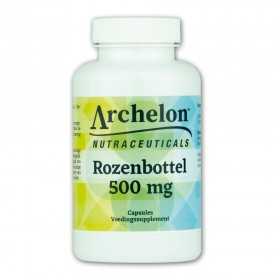
Rosehip - 500 mg
The dog rose (Rosa canina) is a native rose species in the Benelux, found in Europe, Northwest Africa and West Asia. This species has been introduced into North America.
After flowering, a rose hip develops, a fleshy flower base with nutty fruits inside. The rose hip is oval or ovoid, red-orange in color, and measures 1-2.5 cm long and 1-1.8 cm wide.
Rose hips are often used for making jam because of their high vitamin C content. They also contain carotene, vitamin B1 and vitamin B2.
After flowering, a rose hip develops, a fleshy flower base with nutty fruits inside. The rose hip is oval or ovoid, red-orange in color, and measures 1-2.5 cm long and 1-1.8 cm wide.
Rose hips are often used for making jam because of their high vitamin C content. They also contain carotene, vitamin B1 and vitamin B2.
€19.95
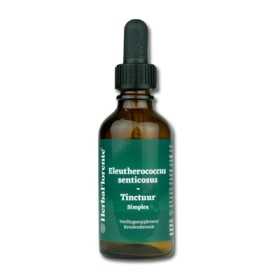
Siberian Ginseng Tincture - Eleutherococcus senticosus Tincture
Single herbal tincture made with dried root of Eleutherococcus senticosus (Siberian ginseng).
Siberian ginseng (Eleutherococcus senticosus) is a shrubby plant native to parts of Russia, China, Korea, and Japan. The plant belongs to the Araliaceae family and is botanically related to, but distinct from, the better-known Panax species such as Korean ginseng (Panax ginseng) and American ginseng (Panax quinquefolius).
The roots of Siberian ginseng have long been mentioned in East Asian and Russian botanical literature. These historical and cultural sources describe the plant as part of traditional practices. This long history of use has also led to Siberian ginseng becoming known beyond its native range.
Siberian ginseng (Eleutherococcus senticosus) is a shrubby plant native to parts of Russia, China, Korea, and Japan. The plant belongs to the Araliaceae family and is botanically related to, but distinct from, the better-known Panax species such as Korean ginseng (Panax ginseng) and American ginseng (Panax quinquefolius).
The roots of Siberian ginseng have long been mentioned in East Asian and Russian botanical literature. These historical and cultural sources describe the plant as part of traditional practices. This long history of use has also led to Siberian ginseng becoming known beyond its native range.
€9.95
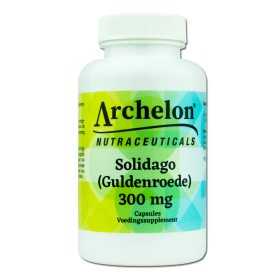
Solidago (Goldenrod) - 300 mg
Solidago virgaurea, also known as Goldenrod, is a native plant traditionally found in Europe and Asia. It produces golden-yellow flowers and was traditionally cultivated in herb gardens. Historically, the flowers were dried and ground for various uses, including natural dyes. Solidago extracts are used in food products and supplements due to their presence of specific plant compounds, such as flavonoids and saponins.
€19.95
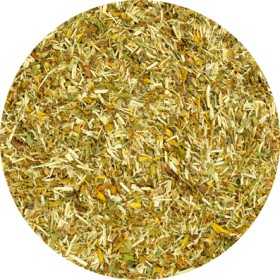
St John's Wort - Hyperici perforatum
St. John's wort (Hypericum perforatum) is a plant that has been used for centuries in European herbal medicine. Its use dates back to the time of the Ancient Greeks. Traditionally, it is harvested between June 21st and 24th, the feast of St. John's Day, in both pagan and Christian traditions.
The plant contains bioflavonoids, tannins, and essential oils. In folk medicine, St. John's wort is used in oils, tinctures, or supplements.
While most people tolerate St. John's wort well, it is important to exercise caution when using it concurrently with other herbs or medications. St. John's wort can be photosensitive, meaning some people may experience an allergic reaction, especially when using it on skin products. Therefore, be mindful of sunlight exposure when using St. John's wort products.
The plant contains bioflavonoids, tannins, and essential oils. In folk medicine, St. John's wort is used in oils, tinctures, or supplements.
While most people tolerate St. John's wort well, it is important to exercise caution when using it concurrently with other herbs or medications. St. John's wort can be photosensitive, meaning some people may experience an allergic reaction, especially when using it on skin products. Therefore, be mindful of sunlight exposure when using St. John's wort products.
€2.00
From: €2.00
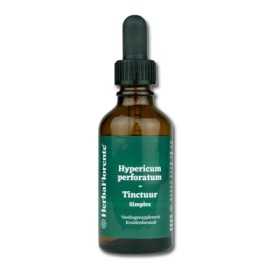
St. John's Wort Tincture - Hypericum perforatum Tincture
Single herbal tincture made with dried herb of Hypericum perforatum (St John's wort).
St. John's wort (Hypericum perforatum) is a plant that has been used for centuries in European herbal medicine. Its use dates back to the time of the Ancient Greeks. Traditionally, it is harvested between June 21st and 24th, the feast of St. John's Day, in both pagan and Christian traditions.
The plant contains bioflavonoids, tannins, and essential oils. In folk medicine, St. John's wort is used in oils, tinctures, or supplements.
St. John's wort (Hypericum perforatum) is a plant that has been used for centuries in European herbal medicine. Its use dates back to the time of the Ancient Greeks. Traditionally, it is harvested between June 21st and 24th, the feast of St. John's Day, in both pagan and Christian traditions.
The plant contains bioflavonoids, tannins, and essential oils. In folk medicine, St. John's wort is used in oils, tinctures, or supplements.
€10.95
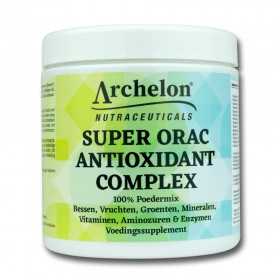
Super ORAC Antioxidant Complex
Super ORAC Antioxidant Complex is a carefully formulated powder mix containing a combination of vegetables, berries, fruits, vitamins, minerals, amino acids, and enzymes. The formula also contains polyphenols, phytonutrients, and antioxidants and was developed to complement a varied diet and a healthy lifestyle.
The ingredients have been selected with an eye for balance and coherence, making Super ORAC Antioxidant Complex easy to take and flexible to fit into your daily routine. The powder form makes it easy to mix with water, juice, or smoothies.
Super ORAC Antioxidant Complex is suitable for vegans and vegetarians, and contains no additives or preservatives.
The ingredients have been selected with an eye for balance and coherence, making Super ORAC Antioxidant Complex easy to take and flexible to fit into your daily routine. The powder form makes it easy to mix with water, juice, or smoothies.
Super ORAC Antioxidant Complex is suitable for vegans and vegetarians, and contains no additives or preservatives.
€79.50
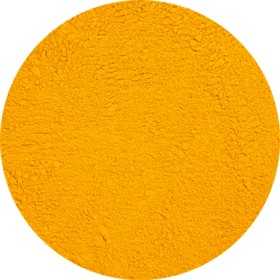
Tumeric long. - Curcumae longae
Turmeric, also known as turmeric (Curcuma longa), is a tropical plant native to India and Southeast Asia. The root has been used for centuries and is best known in powdered form. In the Netherlands, it is often called "geelwortel" (yellow root) because of its bright yellow color, which is used in curry mixtures, mustard, and other culinary preparations.
Turmeric plays an important role in various Asian cuisines, where it is valued for its color, aroma, and distinctive flavor. The root is found in historical and cultural sources and was traditionally incorporated into dishes and spice blends.
Turmeric plays an important role in various Asian cuisines, where it is valued for its color, aroma, and distinctive flavor. The root is found in historical and cultural sources and was traditionally incorporated into dishes and spice blends.
€2.00
From: €2.00
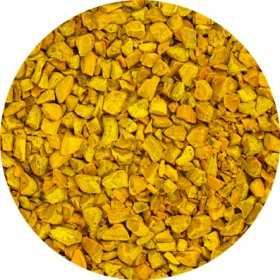
Tumeric long. - Curcumae longae - Cut
Turmeric, also known as turmeric (Curcuma longa), is a tropical plant native to India and Southeast Asia. The root has been used for centuries and is best known in powdered form. In the Netherlands, it is often called "geelwortel" (yellow root) because of its bright yellow color, which is used in curry mixtures, mustard, and other culinary preparations.
Turmeric plays an important role in various Asian cuisines, where it is valued for its color, aroma, and distinctive flavor. The root is found in historical and cultural sources and was traditionally incorporated into dishes and spice blends.
Turmeric plays an important role in various Asian cuisines, where it is valued for its color, aroma, and distinctive flavor. The root is found in historical and cultural sources and was traditionally incorporated into dishes and spice blends.
€2.00
From: €2.00
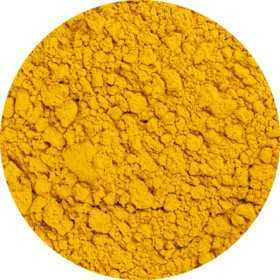
Tumeric zanth. - Curcumae zanthorrhizae
Turmeric, also known as Javanese ginger (Curcuma xanthorrhiza), is a tropical plant native to India and Southeast Asia. The root of this plant has been used for centuries and is best known in powdered form. In the Netherlands, turmeric is also known as yellow root (gelukkigroot) because of its intense yellow color, which is used in curry mixtures and mustard, among other things.
Turmeric plays an important role in various Asian cuisines, where it is valued for its color, aroma, and characteristic flavor. Besides its culinary uses, turmeric is traditionally described in historical and cultural sources from India and Indonesia, where the root played an integral role in daily life.
Turmeric plays an important role in various Asian cuisines, where it is valued for its color, aroma, and characteristic flavor. Besides its culinary uses, turmeric is traditionally described in historical and cultural sources from India and Indonesia, where the root played an integral role in daily life.
€2.40
From: €2.40
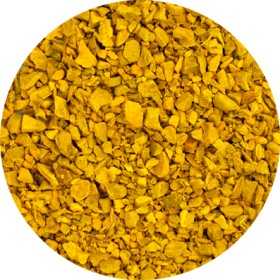
Tumeric zanth. - Curcumae zanthorrhizae - Cut
Turmeric, also known as Javanese ginger (Curcuma xanthorrhiza), is a tropical plant native to India and Southeast Asia. The root of this plant has been used for centuries and is best known in powdered form. In the Netherlands, turmeric is also known as yellow root (gelukkigroot) because of its intense yellow color, which is used in curry mixtures and mustard, among other things.
Turmeric plays an important role in various Asian cuisines, where it is valued for its color, aroma, and characteristic flavor. Besides its culinary uses, turmeric is traditionally described in historical and cultural sources from India and Indonesia, where the root played an integral role in daily life.
Turmeric plays an important role in various Asian cuisines, where it is valued for its color, aroma, and characteristic flavor. Besides its culinary uses, turmeric is traditionally described in historical and cultural sources from India and Indonesia, where the root played an integral role in daily life.
€2.00
From: €2.00
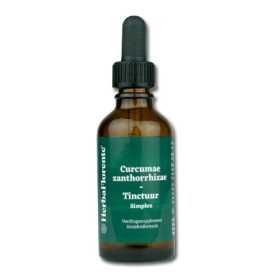
Tumeric zanthorrhiza Tincture - Curcumae zanthorrhizae Tincture
Single herbal tincture made with dried root of Curcumae zanthorrhizae (Tumeric).
Turmeric, also known as Javanese ginger (Curcuma xanthorrhiza), is a tropical plant native to India and Southeast Asia. The root of this plant has been used for centuries and is best known in powdered form. In the Netherlands, turmeric is also known as yellow root (gelukkigroot) because of its intense yellow color, which is used in curry mixtures and mustard, among other things.
Turmeric plays an important role in various Asian cuisines, where it is valued for its color, aroma, and characteristic flavor. Besides its culinary uses, turmeric is traditionally described in historical and cultural sources from India and Indonesia, where the root played an integral role in daily life.
Turmeric, also known as Javanese ginger (Curcuma xanthorrhiza), is a tropical plant native to India and Southeast Asia. The root of this plant has been used for centuries and is best known in powdered form. In the Netherlands, turmeric is also known as yellow root (gelukkigroot) because of its intense yellow color, which is used in curry mixtures and mustard, among other things.
Turmeric plays an important role in various Asian cuisines, where it is valued for its color, aroma, and characteristic flavor. Besides its culinary uses, turmeric is traditionally described in historical and cultural sources from India and Indonesia, where the root played an integral role in daily life.
€9.95
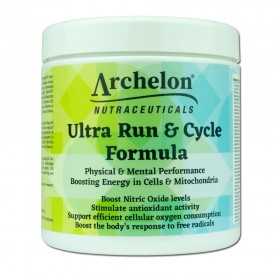
Ultra Run & Cycle Formula
Ultra Run & Cycle Formula is a carefully formulated powder mix containing a combination of herbs, vitamins, minerals, and enzymes. The formula was developed to complement a varied diet and a healthy lifestyle.
The ingredients have been selected with an eye for balance and cohesion, making Ultra Run & Cycle Formula easy to take and flexible to fit into your daily routine. The powder form makes it easy to mix with water, juice, or smoothies.
Ultra Run & Cycle Formula is suitable for vegans and vegetarians, and contains no additives or preservatives.
The ingredients have been selected with an eye for balance and cohesion, making Ultra Run & Cycle Formula easy to take and flexible to fit into your daily routine. The powder form makes it easy to mix with water, juice, or smoothies.
Ultra Run & Cycle Formula is suitable for vegans and vegetarians, and contains no additives or preservatives.
€115.50

Vitamin C (Sodium Ascorbic Acid) - 625 mg
Vitamin C (ascorbic acid) is the pure form of vitamin C. There are also buffered forms of ascorbic acid, which are generally more easily tolerated by the gastrointestinal tract. Vitamin C is a water-soluble vitamin found naturally in various fruits and vegetables, such as citrus fruits, kiwi, bell peppers, and broccoli. Vitamin C is often added to dietary supplements in powder, tablet, or capsule form to supplement daily intake.
€17.95
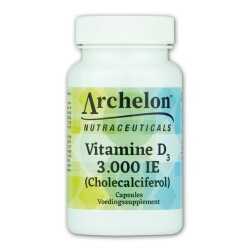
Vitamin D3 (Cholecalciferol) - 3,000 IU - 75 mcg
Vitamin D is a fat-soluble vitamin that the body can produce naturally under the influence of sunlight (UV radiation). Vitamin D is also found in foods such as oily fish (herring, salmon, mackerel), meat, and eggs. Vitamin D production and absorption vary from person to person, depending on factors such as skin pigmentation, age, and sunlight exposure.
€19.95

Vitamine K2 (Menaquinone-7) - 200 mcg
Vitamin K2 in the form of menaquinone-7 is a form of vitamin K that remains in the body for a long time. Vitamin K2 is found in foods such as fermented cheese, eggs, and meat.
€24.95
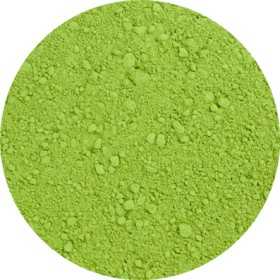
Wheatgrass - Triticum aestivum
Wheatgrass is a plant that naturally contains vitamins A, C, and E, as well as minerals like calcium, magnesium, and iron. It also contains chlorophyll and natural enzymes. The chlorophyll content of wheatgrass is significant.
€2.00
From: €2.00
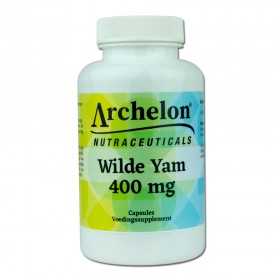
Wild Yam - 400 mg
Wild yam (Dioscorea villosa) is a plant native to Central America. The tuber of the wild yam can grow up to two meters long and is used as a food in South America and Africa, similar to the potato in the Netherlands. The root contains various natural nutrients, including vitamins and minerals. Wild yam is used in foods, powders, and supplements and is a versatile plant with both culinary and traditional uses.
€19.95
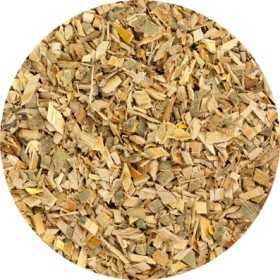
Willow - Salicis alba
The white willow (Salix alba), also known as the "white willow" in English, is a common tree in the Netherlands. The bark of the willow naturally contains salicin, a glycoside identified as early as 1828 by the German pharmacist Johann Andreas Buchner.
The white willow is valued for its long history of use and is botanically interesting for its characteristic leaves and growth habit.
The white willow is valued for its long history of use and is botanically interesting for its characteristic leaves and growth habit.
€2.00
From: €2.00
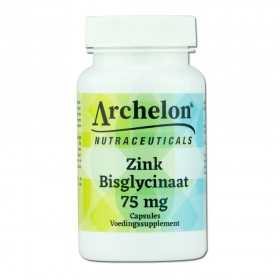
Zinc Bisglycinate - 75 mg
Zinc bisglycinate is a chelated form of zinc, in which the mineral is bound to two molecules of the amino acid glycine. This form is known for its good bioavailability. Zinc occurs naturally in foods such as meat, fish, nuts, seeds, and whole grains, and is available in various supplement forms. Zinc bisglycinate is a stable, easily absorbed source of zinc.
€16.95