


Trending
€57.50
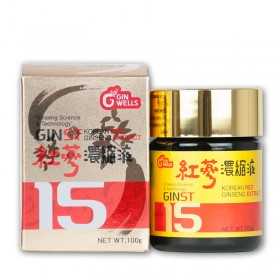
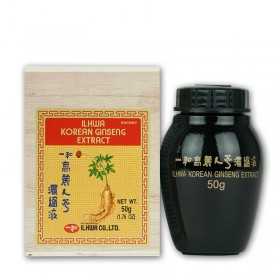
ILHWA GINST15 Korean Red Ginseng Extract
€61.46 €81.95 -25%
€62.50

€26.63 €35.50 -25%

€62.50
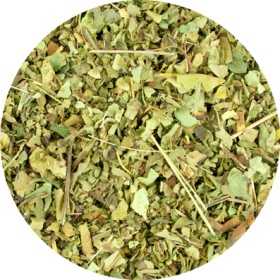
Lungwort - Pulmonaria officinalis
€5.91 €6.95 -15%
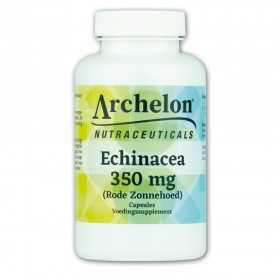
Echinacea (Red Coneflower) - 350 mg
€15.96 €19.95 -20%
€72.50

€54.95
€40.13 €53.50 -25%
Latest Blog

Best sellers
There are 394 products.
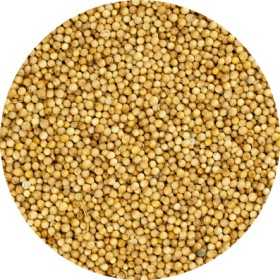
Coriander - Coriandrum sativum - Whole
Coriander seeds have been used for thousands of years in various cultures and cuisines worldwide. Traditionally, the seeds are part of spice blends and are prized for their warm, slightly citrusy, and spicy aroma. This long-standing use has led to coriander seeds holding a permanent place in both culinary and traditional herbal practices to this day.
Coriander (Coriandrum sativum) is a versatile plant, with both the leaves and seeds used. The seeds are distinguished by their specific composition and concentrated aromatic compounds. They naturally contain various vitamins and minerals, including vitamins A, C, and K, folic acid, and minerals such as iron, manganese, potassium, magnesium, and calcium.
Coriander (Coriandrum sativum) is a versatile plant, with both the leaves and seeds used. The seeds are distinguished by their specific composition and concentrated aromatic compounds. They naturally contain various vitamins and minerals, including vitamins A, C, and K, folic acid, and minerals such as iron, manganese, potassium, magnesium, and calcium.
€2.00
From: €2.00
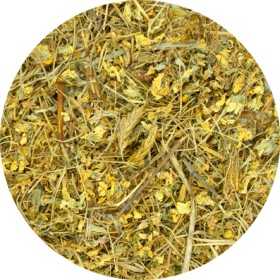
Pansy, Herb trinit (Flower) - Viola tricolor
Out-of-Stock
The pansy (Viola tricolor), also known as the wild violet, is an ornamental plant that has been part of European botanical knowledge for centuries. The tricolor violet belongs to the pansy family (Violaceae) and is native to Europe, from Lapland to the Mediterranean, and even to Siberia.
This plant, which is annual but can sometimes be perennial, grows to a height of 30 cm and has roots that can reach depths of up to 45 cm. Its flowering period extends from May to October. The flowers are at least 1 cm wide, but usually larger, with an average diameter of 1.5 cm. The plant was first described by the renowned botanist Rembert Dodoens in 1554.
This plant, which is annual but can sometimes be perennial, grows to a height of 30 cm and has roots that can reach depths of up to 45 cm. Its flowering period extends from May to October. The flowers are at least 1 cm wide, but usually larger, with an average diameter of 1.5 cm. The plant was first described by the renowned botanist Rembert Dodoens in 1554.
€7.00
From: €7.00
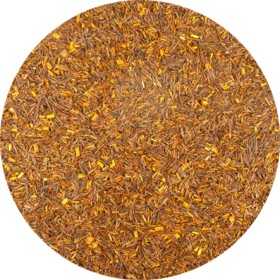
Rooibos - Aspalathi linearis
Rooibos (Aspalathus linearis) is a plant in the legume family (Leguminosae) that grows naturally in the fynbos around the Cederberg Mountains in South Africa. Since around 1930, the plant has been cultivated for the production of rooibos tea. The leaves are picked, crushed, and left in the sun to oxidize, giving them their characteristic reddish-brown color.
The name 'rooibos' comes from Afrikaans and means "red forest," derived from the Dutch word.
Rooibos is traditionally used in South Africa as a spice and is used in both beverages and cosmetics. It is naturally caffeine-free and low in tannins, giving it a mild, slightly sweet flavor. Rooibos leaves contain various plant compounds, including antioxidants and minerals such as calcium and iron.
The name 'rooibos' comes from Afrikaans and means "red forest," derived from the Dutch word.
Rooibos is traditionally used in South Africa as a spice and is used in both beverages and cosmetics. It is naturally caffeine-free and low in tannins, giving it a mild, slightly sweet flavor. Rooibos leaves contain various plant compounds, including antioxidants and minerals such as calcium and iron.
€2.50
From: €2.50
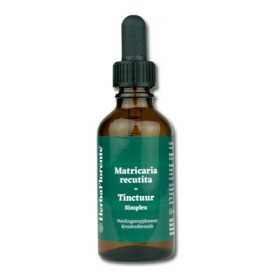
Chamomile Tincture - Matricaria recutita Tincture
Single herbal tincture made with dried flower of Matricaria recutita (True Chamomile).
Chamomile (Matricaria chamomilla, synonym Matricaria recutita) is an annual, aromatic plant from the Asteraceae family. The plant is native to large parts of Europe and is now widely cultivated, including in Hungary and several Eastern European countries.
Chamomile has a long cultural and historical background. In ancient Egypt, the plant was symbolically worshipped and associated with the sun god Ra. Throughout the centuries, chamomile has been frequently described in botanical and historical sources, contributing to its fame and spread.
Chamomile (Matricaria chamomilla, synonym Matricaria recutita) is an annual, aromatic plant from the Asteraceae family. The plant is native to large parts of Europe and is now widely cultivated, including in Hungary and several Eastern European countries.
Chamomile has a long cultural and historical background. In ancient Egypt, the plant was symbolically worshipped and associated with the sun god Ra. Throughout the centuries, chamomile has been frequently described in botanical and historical sources, contributing to its fame and spread.
€11.95
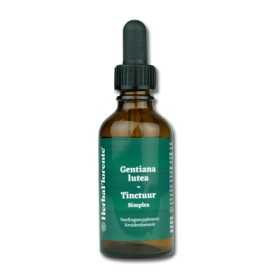
Gentian Large Yellow Tincture - Gentiana lutea Tincture
Single herbal tincture made with dried root of Gentiana lutea (Gentian Large Yellow).
The great yellow gentian, also known as Gentiana lutea, is a perennial plant in the gentian family (Gentianaceae). It grows naturally in European mountains, primarily at altitudes up to 2200 meters.
The plant can reach a height of 0.5–1.5 meters. Its opposite leaves have five to seven arching veins. The large yellow flowers appear in clusters of three to ten in the axils of the upper leaves, but the plant only blooms after seven to ten years and can then live for 40 to 60 years.
The great yellow gentian, also known as Gentiana lutea, is a perennial plant in the gentian family (Gentianaceae). It grows naturally in European mountains, primarily at altitudes up to 2200 meters.
The plant can reach a height of 0.5–1.5 meters. Its opposite leaves have five to seven arching veins. The large yellow flowers appear in clusters of three to ten in the axils of the upper leaves, but the plant only blooms after seven to ten years and can then live for 40 to 60 years.
€11.95
Field Horsetail - Equisetum arvense
Horsetail (Equisetum arvense), also known as horsetail because of its characteristic appearance, belongs to the horsetail family (Equisetaceae). The plant is common in Europe and grows in a variety of locations, such as meadows, along roads, on fallow land, and on slopes.
Horsetail is one of the oldest plant species on earth, having existed for approximately 390 million years. The plant is distinguished by its deep root system, which allows it to absorb nutrients from deeper soil layers. As a result, horsetail naturally contains various plant compounds, including minerals, fiber, and silicon.
Horsetail is one of the oldest plant species on earth, having existed for approximately 390 million years. The plant is distinguished by its deep root system, which allows it to absorb nutrients from deeper soil layers. As a result, horsetail naturally contains various plant compounds, including minerals, fiber, and silicon.
€4.75
From: €4.75
Garlic - Allium sativi
Garlic (Allium sativum) belongs to the Alliaceae family and is one of the oldest cultivated plants in the world. The plant develops a leafy, round flower shaft from the bulb in spring. Garlic is prized worldwide for both its characteristic flavor and distinct aroma.
The use of garlic has a long history in various cultures. Since ancient times, the plant has been part of traditional cuisines and herbal lore. Its intense aroma makes garlic a common ingredient in a wide variety of dishes.
The use of garlic has a long history in various cultures. Since ancient times, the plant has been part of traditional cuisines and herbal lore. Its intense aroma makes garlic a common ingredient in a wide variety of dishes.
€2.00
From: €2.00

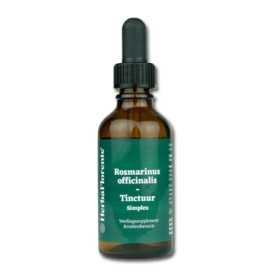
Rosemary Tincture - Rosmarinus officinalis Tincture
Single herbal tincture made with dried leaf of Rosmarinus officinalis (Rosemary).
Rosemary (Rosmarinus officinalis L.) is a fragrant, compact shrub from the Lamiaceae family. Native to the Mediterranean region, it is known for its aromatic leaves and lavender-blue flowers that appear in spring.
The name "rosemary" derives from the Latin: ros meaning "dew" and marinus meaning "sea," together meaning "dew of the sea." Rosemary has been prized for centuries in diverse cultures, from the ancient Greeks to the Romans, and is used in culinary dishes and herbal teas.
Rosemary (Rosmarinus officinalis L.) is a fragrant, compact shrub from the Lamiaceae family. Native to the Mediterranean region, it is known for its aromatic leaves and lavender-blue flowers that appear in spring.
The name "rosemary" derives from the Latin: ros meaning "dew" and marinus meaning "sea," together meaning "dew of the sea." Rosemary has been prized for centuries in diverse cultures, from the ancient Greeks to the Romans, and is used in culinary dishes and herbal teas.
€10.95
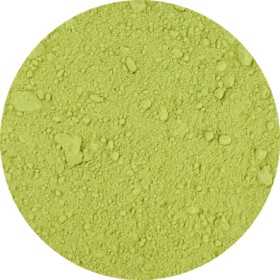
Berk - Betula pendula Roth, Betulae (Leaf Grounded)
The birch (Betula) is a tree that has held a special place in European cultures and traditions for centuries. Historically, the birch was sometimes seen as a symbolic or even sacred tree, partly due to its role in seasonal rituals and folk customs.
In early spring, just before the tree begins to bud, birch sap can be tapped. This time coincides with the period when the sap flow is most active. Young birch leaves are also traditionally collected during this phase. Both the sap and the leaves are part of ancient customs and have long been described in botanical and herbal sources.
Birch leaves naturally contain various plant compounds, including flavonoids, saponins, and tannins.
In early spring, just before the tree begins to bud, birch sap can be tapped. This time coincides with the period when the sap flow is most active. Young birch leaves are also traditionally collected during this phase. Both the sap and the leaves are part of ancient customs and have long been described in botanical and herbal sources.
Birch leaves naturally contain various plant compounds, including flavonoids, saponins, and tannins.
€2.10
From: €2.10
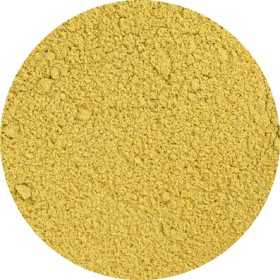
Fennel - Foeniculum vulgare - Grounded
Fennel (Foeniculum vulgare) is a plant that belongs to the Apiaceae family. The plant has a characteristic, anise-like flavor. Both the thread-like leaves and the seeds are used as herbs and spices in various cuisines.
Fennel originates from Asia and the Mediterranean and was introduced to Europe via medieval trade routes. Fennel is particularly widely cultivated in Southern Europe, where it is frequently used in salads and cooked dishes.
Fennel seed has a long history of traditional use. In the past, chewing fennel seeds was part of certain customs and rituals, including religious traditions.
Fennel seeds are used in a variety of applications, such as spice blends, teas, and aromatic extracts. Fennel oil, which is used for its characteristic aroma, can also be extracted from the seeds.
Fennel originates from Asia and the Mediterranean and was introduced to Europe via medieval trade routes. Fennel is particularly widely cultivated in Southern Europe, where it is frequently used in salads and cooked dishes.
Fennel seed has a long history of traditional use. In the past, chewing fennel seeds was part of certain customs and rituals, including religious traditions.
Fennel seeds are used in a variety of applications, such as spice blends, teas, and aromatic extracts. Fennel oil, which is used for its characteristic aroma, can also be extracted from the seeds.
€2.60
From: €2.60
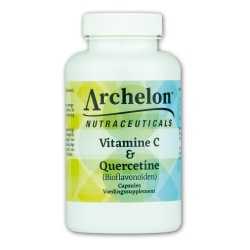
Vitamin C & Quercetin (Bioflavonoids)
Vitamin C (ascorbic acid) is the pure form of vitamin C. Buffered forms of ascorbic acid also exist, which are generally more easily tolerated by the gastrointestinal tract. Vitamin C is a water-soluble vitamin found naturally in various fruits and vegetables, such as citrus fruits, kiwi, bell peppers, and broccoli. Vitamin C is often added to dietary supplements in powder, tablet, or capsule form to supplement daily intake.
Quercetin is a flavonoid (also called a bioflavonoid) found naturally in various plants, fruits, and vegetables. Flavonoids are responsible for the vibrant colors in plants and contribute to various biochemical processes, such as regulating growth and protecting against UV light, oxidation, and heat.
Quercetin is a flavonoid (also called a bioflavonoid) found naturally in various plants, fruits, and vegetables. Flavonoids are responsible for the vibrant colors in plants and contribute to various biochemical processes, such as regulating growth and protecting against UV light, oxidation, and heat.
€29.95
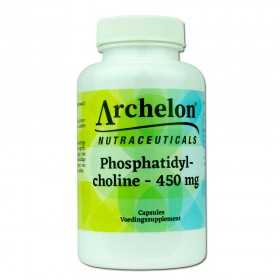
Phosphatidylcholine - 450 mg
Phosphatidylcholine is a concentrated form of lecithin and is more stable and has a longer shelf life than lecithin alone. It is a phospholipid that occurs naturally in cell membranes and in foods such as eggs, soy, and certain nuts. Phosphatidylcholine provides choline, a nutrient recognized as essential by the Dutch Health Council. In the body, it is primarily found in the outer leaflet of cell membranes and can be transported by specific proteins, such as phosphatidylcholine transfer protein (PCTP).
€39.95
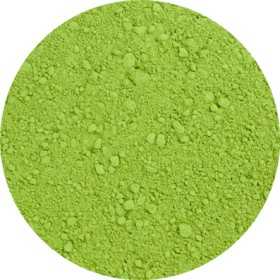
Wheatgrass - Triticum aestivum
Wheatgrass is a plant that naturally contains vitamins A, C, and E, as well as minerals like calcium, magnesium, and iron. It also contains chlorophyll and natural enzymes. The chlorophyll content of wheatgrass is significant.
€2.00
From: €2.00
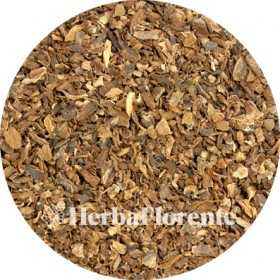
Geranium - Pelargonium sidoides - Cut
The Cape geranium (Pelargonium sidoides), known locally as "umckaloabo," is a native geranium species from South Africa. It grows wild among tall grasses and aromatic flower beds on the slopes of the Cape coast and in the grasslands of Lesotho.
The Cape geranium has soft, velvety gray-green leaves and deep magenta flowers. The plant's rhizomes turn dark red when dried and ground.
Pelargonium sidoides belongs to the Geraniaceae family. Originally, the Pelargoniums brought to Europe closely resembled common garden geraniums, but botanically, there appears to be a clear difference between this South African species and the geraniums grown in gardens. In the wild, the plant occurs only in a few small areas of South Africa, but today it is also cultivated on plantations.
The Cape geranium has soft, velvety gray-green leaves and deep magenta flowers. The plant's rhizomes turn dark red when dried and ground.
Pelargonium sidoides belongs to the Geraniaceae family. Originally, the Pelargoniums brought to Europe closely resembled common garden geraniums, but botanically, there appears to be a clear difference between this South African species and the geraniums grown in gardens. In the wild, the plant occurs only in a few small areas of South Africa, but today it is also cultivated on plantations.
€4.40
From: €4.40
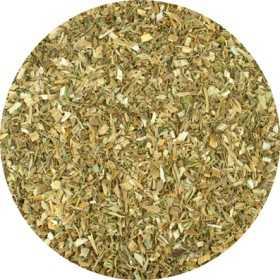
Watercress - Nasturtium officinale
Watercress belongs to the Brassicaceae family and resembles the slender watercress (Rorippa microphylla), but is distinguished by shorter fruits and a different seed structure.
The plant grows in and around water, such as along streams, ditches, ponds, and in marshes. It is a spineless, hairless plant that can grow 10 to 60 cm tall and has a hollow, square stem that often creeps at the base. Watercress blooms with white flowers and petals of 4 to 6 mm.
The plant grows in and around water, such as along streams, ditches, ponds, and in marshes. It is a spineless, hairless plant that can grow 10 to 60 cm tall and has a hollow, square stem that often creeps at the base. Watercress blooms with white flowers and petals of 4 to 6 mm.
€3.75
From: €3.75
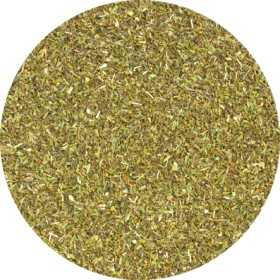
Savory Wort - Satureja hortensis
Savory (Satureja), also known as winter or summer savory, belongs to the Lamiaceae or Labiatae family. The scientific name is derived from the Latin word "satyr."
Historical and Cultural Context
During Roman times, savory was often used in rituals and cultural practices. It was incorporated into wreaths and jewelry and featured in traditional dishes. Historical sources describe it as playing an important role in Roman cuisine.
Culinary Uses
Savory is traditionally used as a seasoning in a variety of dishes. In ancient times, it was used in sauces for fish and meat, stuffings for veal, and in sausages or pork pies. Over the centuries, chefs have developed their own recipes using this aromatic herb.
Historical and Cultural Context
During Roman times, savory was often used in rituals and cultural practices. It was incorporated into wreaths and jewelry and featured in traditional dishes. Historical sources describe it as playing an important role in Roman cuisine.
Culinary Uses
Savory is traditionally used as a seasoning in a variety of dishes. In ancient times, it was used in sauces for fish and meat, stuffings for veal, and in sausages or pork pies. Over the centuries, chefs have developed their own recipes using this aromatic herb.
€2.00
From: €2.00

Manganese gluconate - 10 mg
This product contains manganese in the form of organic manganese gluconate, a highly absorbable compound in which manganese is bound to gluconic acid. Manganese is an essential trace element that naturally occurs in small amounts in the body and must be supplied through food.
Manganese contributes to normal energy-yielding metabolism and supports the normal functioning of the nervous system. Manganese also contributes to the maintenance of normal bones and the normal formation of connective tissue. The mineral also plays a role in protecting cells from oxidative stress.
Manganese contributes to normal energy-yielding metabolism and supports the normal functioning of the nervous system. Manganese also contributes to the maintenance of normal bones and the normal formation of connective tissue. The mineral also plays a role in protecting cells from oxidative stress.
€15.95
Green Female 45+ Formula
Green Female 45+ Formula is a carefully formulated powder mix containing 43 nutrients, including herbs, vitamins, minerals, and enzymes. The formula was developed to complement a varied diet and a conscious lifestyle for women aged 45 and over.
The ingredients have been selected with a focus on balance and coherence, making Green Female 45+ Formula a complete and user-friendly formula. The powder form makes it easy to take and integrate flexibly into your daily routine.
Green Female 45+ Formula is suitable for women who value a comprehensive, plant-based formula without unnecessary additives.
The ingredients have been selected with a focus on balance and coherence, making Green Female 45+ Formula a complete and user-friendly formula. The powder form makes it easy to take and integrate flexibly into your daily routine.
Green Female 45+ Formula is suitable for women who value a comprehensive, plant-based formula without unnecessary additives.
€62.50
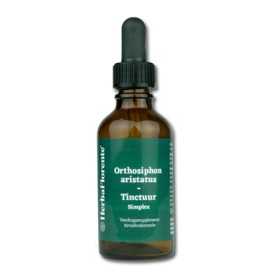
Cat's whiskers Tincture - Orthosiphon aristatus Tincture
Single herbal tincture made with dried herb of Orthosiphon aristatus (Cat's whiskers).
Cat's whiskers, also known as Kumis Kutjing, is a plant traditionally used in various Asian herbal traditions. The species belongs to the Lamiaceae family and is native to tropical and subtropical regions, particularly Southeast Asia, including Malaysia and Java.
The plant prefers moist habitats, such as wetlands, riverbanks, and swampy areas. Cat's whiskers is most recognizable by its white to pale lilac flowers with strikingly long, thread-like stamens that can grow up to approximately three centimeters long. These characteristics have led to the Dutch name "kattensnor" (cat's whiskers).
Cat's whiskers, also known as Kumis Kutjing, is a plant traditionally used in various Asian herbal traditions. The species belongs to the Lamiaceae family and is native to tropical and subtropical regions, particularly Southeast Asia, including Malaysia and Java.
The plant prefers moist habitats, such as wetlands, riverbanks, and swampy areas. Cat's whiskers is most recognizable by its white to pale lilac flowers with strikingly long, thread-like stamens that can grow up to approximately three centimeters long. These characteristics have led to the Dutch name "kattensnor" (cat's whiskers).
€10.95
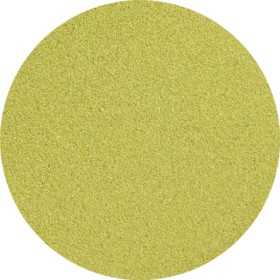
Rosemary - Rosmarini officinalis
Rosemary (Rosmarinus officinalis L.) is a fragrant, compact shrub from the Lamiaceae family. Native to the Mediterranean region, it is known for its aromatic leaves and lavender-blue flowers that appear in spring.
The name "rosemary" derives from the Latin: ros meaning "dew" and marinus meaning "sea," together meaning "dew of the sea." Rosemary has been prized for centuries in diverse cultures, from the ancient Greeks to the Romans, and is used in culinary dishes and herbal teas.
The name "rosemary" derives from the Latin: ros meaning "dew" and marinus meaning "sea," together meaning "dew of the sea." Rosemary has been prized for centuries in diverse cultures, from the ancient Greeks to the Romans, and is used in culinary dishes and herbal teas.
€2.00
From: €2.00
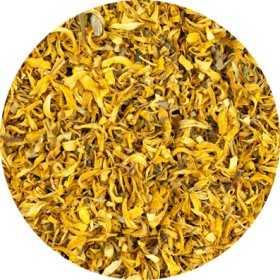
Flowers Sweet - Citrus aurantium dulce
Orange blossom is a delicious addition to tea, which gives a subtle sweet taste.
Orange blossom, from Citrus aurantium dulce, adds a delicious sweet touch to your favorite tea. It is the ideal way to enrich your tea experience.
Orange blossom, from Citrus aurantium dulce, adds a delicious sweet touch to your favorite tea. It is the ideal way to enrich your tea experience.
€20.00
From: €20.00
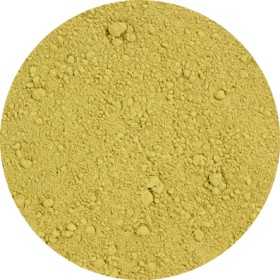
Hawthorn (Leaf & Flower) - Crataegus laevigata, Crataegi
The two-styled hawthorn (Crataegus laevigata) is a thorny shrub or small tree native to much of Europe. In spring, it blooms with white flowers, while in autumn it produces dark red, spherical or egg-shaped berries, also known as "whitebeans."
The leaves, flowers, and berries of the hawthorn naturally contain a rich composition of plant compounds, including flavonoids, procyanidins, vitamin C, tannins, and glycosides. Because of this composition, hawthorn is traditionally used in various herbal products and supplements.
The leaves, flowers, and berries of the hawthorn naturally contain a rich composition of plant compounds, including flavonoids, procyanidins, vitamin C, tannins, and glycosides. Because of this composition, hawthorn is traditionally used in various herbal products and supplements.
€2.00
From: €2.00
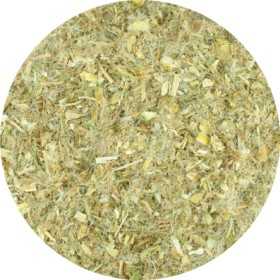
Blessed Thistle - Centaurea benedicta
Centaurea benedicta, commonly known as St. Benedict's Thistle, blessed thistle, holy thistle, spotted thistle or dissolved knapweed, is a thistle-like plant belonging to the family Asteraceae. Originally native to the Mediterranean region, it ranges from Portugal and southern France to Iran. Outside its native habitat it is often found as a systematic species and in some regions such as North America it is observed as a conventional weed.
This annual plant grows up to 60 cm tall and has leathery, hairy leaves that can reach 30 cm long and 8 cm wide.
This annual plant grows up to 60 cm tall and has leathery, hairy leaves that can reach 30 cm long and 8 cm wide.
€2.25
From: €2.25