


Trending
€57.50
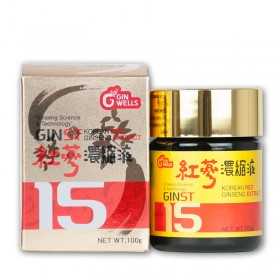
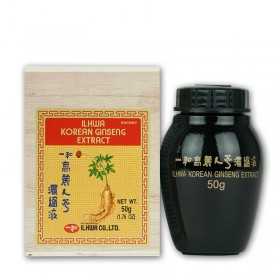
ILHWA GINST15 Korean Red Ginseng Extract
€61.46 €81.95 -25%
€62.50
€26.63 €35.50 -25%

€62.50
Lungwort - Pulmonaria officinalis
€5.91 €6.95 -15%
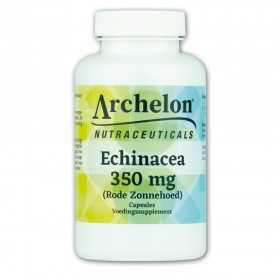
Echinacea (Red Coneflower) - 350 mg
€15.96 €19.95 -20%
€72.50
€54.95
€40.13 €53.50 -25%
Latest Blog

Best sellers
There are 394 products.
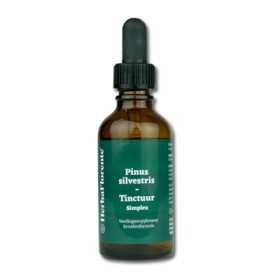
Pine Tincture - Pinus silvestris Tincture
Single herbal tincture made with dried needle of Pinus silvestris (Pine).
The Scots pine (Pinus sylvestris) belongs to the pine family (Pinaceae) and can reach an age of 200 to 300 years. This tree is known for its rich resin content and characteristic pine scent.
The needles and buds of the Scots pine contain natural compounds such as tannins, flavonoids, and vitamins. The tree's resin contains turpentine and a large number of monoterpenes, including α-pinene, β-pinene, and limonene, which are components of the tree's essential oil.
Scots pine is traditionally used in various applications, such as in aromatic products and in the production of pine oil. Both needles and buds are used in some traditional preparations for their fragrance and flavor.
The Scots pine (Pinus sylvestris) belongs to the pine family (Pinaceae) and can reach an age of 200 to 300 years. This tree is known for its rich resin content and characteristic pine scent.
The needles and buds of the Scots pine contain natural compounds such as tannins, flavonoids, and vitamins. The tree's resin contains turpentine and a large number of monoterpenes, including α-pinene, β-pinene, and limonene, which are components of the tree's essential oil.
Scots pine is traditionally used in various applications, such as in aromatic products and in the production of pine oil. Both needles and buds are used in some traditional preparations for their fragrance and flavor.
€9.95
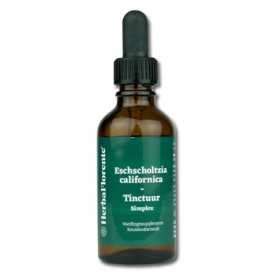
California Poppy Tincture - Eschscholtzia californica Tincture
Single herbal tincture made with dried herb of Eschscholtzia californica (California Poppy).
California poppy, also known as golden poppy (Eschscholtzia californica), is a plant with golden-yellow flowers belonging to the poppy family. The plant is native to California, which explains its name.
The aerial parts of the golden poppy contain various natural compounds, including quinolide alkaloids, rutin, phytosterols, carotenoids, and cyanogen glycosides. Indigenous peoples in North America used the plant for their traditional purposes.
Today, California poppy is used in herbal teas and other herbal preparations and is valued for its botanical characteristics and aromatic properties.
California poppy, also known as golden poppy (Eschscholtzia californica), is a plant with golden-yellow flowers belonging to the poppy family. The plant is native to California, which explains its name.
The aerial parts of the golden poppy contain various natural compounds, including quinolide alkaloids, rutin, phytosterols, carotenoids, and cyanogen glycosides. Indigenous peoples in North America used the plant for their traditional purposes.
Today, California poppy is used in herbal teas and other herbal preparations and is valued for its botanical characteristics and aromatic properties.
€10.95
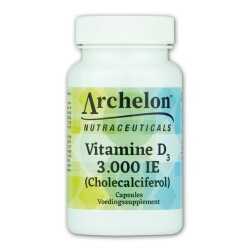
Vitamin D3 (Cholecalciferol) - 3,000 IU - 75 mcg
Vitamin D is a fat-soluble vitamin that the body can produce naturally under the influence of sunlight (UV radiation). Vitamin D is also found in foods such as oily fish (herring, salmon, mackerel), meat, and eggs. Vitamin D production and absorption vary from person to person, depending on factors such as skin pigmentation, age, and sunlight exposure.
€19.95
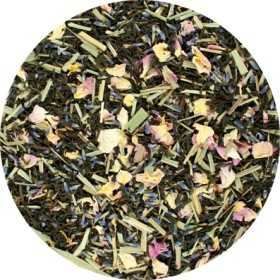
Black Tea - Flowers Herbal Tea
Herbal tea composed of various herbs
Delicious for every moment
Delicious for every moment
€3.95
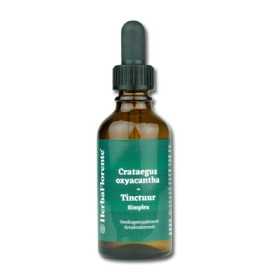
Hawthorn Tincture - Crataegus oxyacantha Tincture
Single herbal tincture made with dried leaves & flowers of Crataegus (Hawthorn).
The two-styled hawthorn (Crataegus laevigata) is a thorny shrub or small tree native to much of Europe. In spring, it blooms with white flowers, while in autumn it produces dark red, spherical or egg-shaped berries, also known as "whitebeans."
The leaves, flowers, and berries of the hawthorn naturally contain a rich composition of plant compounds, including flavonoids, procyanidins, vitamin C, tannins, and glycosides. Because of this composition, hawthorn is traditionally used in various herbal products and supplements.
The two-styled hawthorn (Crataegus laevigata) is a thorny shrub or small tree native to much of Europe. In spring, it blooms with white flowers, while in autumn it produces dark red, spherical or egg-shaped berries, also known as "whitebeans."
The leaves, flowers, and berries of the hawthorn naturally contain a rich composition of plant compounds, including flavonoids, procyanidins, vitamin C, tannins, and glycosides. Because of this composition, hawthorn is traditionally used in various herbal products and supplements.
€9.95
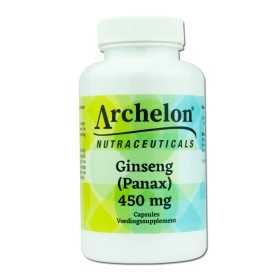
Ginseng (Panax) - 450 mg
Panax Ginseng is a slow-growing plant with a sturdy root, native to the mountainous regions of East Asia. This root has been used for thousands of years in traditional Chinese herbal practice and is considered one of the best-known and most researched ginseng varieties in the world. The name "Panax" comes from the Greek word "panacea," meaning "all-healer," and refers to the root's versatile uses in historical sources.
Panax Ginseng root contains a unique composition of bioactive compounds, the most characteristic of which are ginsenosides. These steroid-like compounds are found exclusively in true Panax Ginseng.
Panax Ginseng root contains a unique composition of bioactive compounds, the most characteristic of which are ginsenosides. These steroid-like compounds are found exclusively in true Panax Ginseng.
€42.95
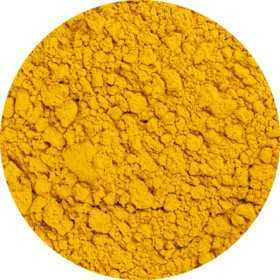
Tumeric zanth. - Curcumae zanthorrhizae
Turmeric, also known as Javanese ginger (Curcuma xanthorrhiza), is a tropical plant native to India and Southeast Asia. The root of this plant has been used for centuries and is best known in powdered form. In the Netherlands, turmeric is also known as yellow root (gelukkigroot) because of its intense yellow color, which is used in curry mixtures and mustard, among other things.
Turmeric plays an important role in various Asian cuisines, where it is valued for its color, aroma, and characteristic flavor. Besides its culinary uses, turmeric is traditionally described in historical and cultural sources from India and Indonesia, where the root played an integral role in daily life.
Turmeric plays an important role in various Asian cuisines, where it is valued for its color, aroma, and characteristic flavor. Besides its culinary uses, turmeric is traditionally described in historical and cultural sources from India and Indonesia, where the root played an integral role in daily life.
€2.20
From: €2.20
L-Carnitine - 475 mg
L-Carnitine is a natural compound often classified as an amino acid due to its similar molecular structure. It occurs naturally in the body and in foods, particularly meat and animal products. Plant sources generally contain very little L-Carnitine. The body can produce L-Carnitine from the amino acids lysine and methionine, but this production depends on factors such as age, gender, and diet.
Men generally have a higher daily requirement for L-Carnitine than women because the body uses it primarily in tissues with high energy demands, such as the heart and skeletal muscle. L-Carnitine is closely related to the B vitamins and is present in all cells of the body. It is stored in skeletal muscle, cardiac muscle, and liver, with concentrations varying depending on age, diet, and body mass.
Men generally have a higher daily requirement for L-Carnitine than women because the body uses it primarily in tissues with high energy demands, such as the heart and skeletal muscle. L-Carnitine is closely related to the B vitamins and is present in all cells of the body. It is stored in skeletal muscle, cardiac muscle, and liver, with concentrations varying depending on age, diet, and body mass.
€24.95
Vitamine A (acétate de rétinol) - 4,000 UI - 1,200 mcg
Vitamin A is a fat-soluble vitamin found in foods such as liver, eggs, dairy products, carrots, spinach, and other orange or green vegetables. In the body, vitamin A is involved in various biochemical processes and is present in cells. It can be found in various forms, such as retinol in animal products and carotenoids in plant foods. Vitamin A is stored in the liver and can be supplemented with food. It is an important part of a varied diet.
€15.95
Marigold Tincture - Calendulae officinalis Tincture
Single herbal tincture made with dried flower of Calendulae officinalis (marigold).
The marigold, or Calendula officinalis, belongs to the Asteraceae family (Compositae) and is often cultivated in ornamental gardens. It originates from Southern Europe.
It is an annual plant with usually orange flowers, sometimes yellow, that can reach a height of 30–45 cm. The flowering period runs from May to November, and the fruits are often curved and boat-shaped.
Both fresh and dried flowers can be used in soups and as a natural coloring for cheese, butter, and other foods. Historically, the petals were also used to simulate saffron.
In addition, marigold petals are used in products such as ointments and tinctures. The flowers contain essential oils that are used in the processing of these products.
The marigold, or Calendula officinalis, belongs to the Asteraceae family (Compositae) and is often cultivated in ornamental gardens. It originates from Southern Europe.
It is an annual plant with usually orange flowers, sometimes yellow, that can reach a height of 30–45 cm. The flowering period runs from May to November, and the fruits are often curved and boat-shaped.
Both fresh and dried flowers can be used in soups and as a natural coloring for cheese, butter, and other foods. Historically, the petals were also used to simulate saffron.
In addition, marigold petals are used in products such as ointments and tinctures. The flowers contain essential oils that are used in the processing of these products.
€9.95
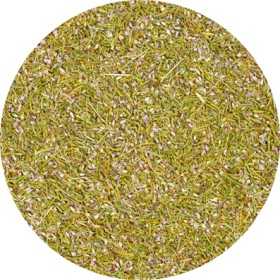
Shrub Heather - Erica vulgaris
The Heather (Erica vulgaris - Calluna vulgaris) belongs to the heath family (Ericaceae) and grows throughout Europe, especially in Central and Northern Europe. It even reaches Western Siberia in the east. In the nineteenth century, Scottish immigrants brought the heather to Canada, from where it spread throughout North America. It is the only species in the genus Calluna, meaning it is a monotypic genus.
The shrub heath can grow to a height of 10-100 cm, sometimes even up to 150 cm in certain places. It has hermaphroditic, symmetrical flowers, with the calyx and petals being the same color. Purple flowers appear towards the end of the branches, creating the purple heaths from late July to early September.
The shrub heath can grow to a height of 10-100 cm, sometimes even up to 150 cm in certain places. It has hermaphroditic, symmetrical flowers, with the calyx and petals being the same color. Purple flowers appear towards the end of the branches, creating the purple heaths from late July to early September.
€2.20
From: €2.20
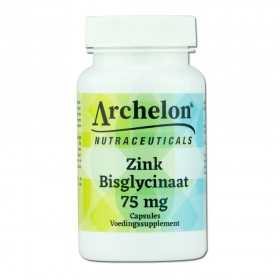
Zinc Bisglycinate - 75 mg
Zinc bisglycinate is a chelated form of zinc, in which the mineral is bound to two molecules of the amino acid glycine. This form is known for its good bioavailability. Zinc occurs naturally in foods such as meat, fish, nuts, seeds, and whole grains, and is available in various supplement forms. Zinc bisglycinate is a stable, easily absorbed source of zinc.
€16.95
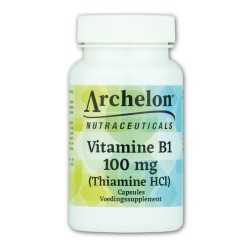
Vitamin B1 (Thiamine HCl) - 100 mg
Vitamin B1 (Thiamine) is a water-soluble vitamin found in foods such as whole grains, legumes, nuts, pork, and some vegetables. In the body, vitamin B1 is converted to its active form, thiamine pyrophosphate (TTP), in which magnesium plays a role. TTP is a form of thiamine found in cells and is involved in various biochemical reactions. Vitamin B1 is stored in small amounts in the liver and can be supplemented through food or supplements.
€19.95
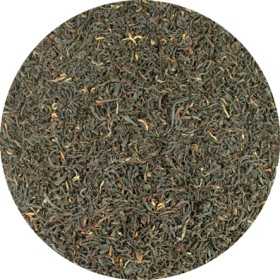
Black Tea Assam - Camellia sinensis
Black Tea Assam is a black tea from the state of the same name in India. Since 1838, this tea has also been drunk outside India, but in the first 25 years it could not compete with the already popular Japanese and Chinese teas, which had been popular in Europe since the 17th century. Today, about half of the total Indian tea production comes from Assam, making this region more popular than the other famous Indian teas: Darjeeling and Nilgiri.
€2.95
From: €2.95
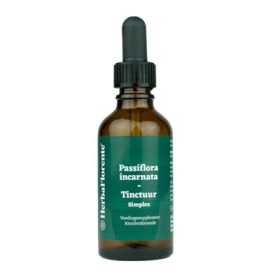
Passion Flower Tincture - Passiflora incarnata Tincture
Single herbal tincture made with dried herb of Passiflora incarnata (Passion Flower).
Passionflower (Passiflora incarnata) is a plant native to Central and North America. Various parts of the plant have long been used in diverse cultures. Today, passionflower is also found in other parts of the world.
The striking flowers of Passiflora incarnata are edible and prized for their distinctive appearance. In autumn, the plant produces fruit, and the leaves are also edible. These leaves naturally contain various plant compounds, including tannins, flavanols, saponins, and choline, as well as minerals such as magnesium.
Passionflower is traditionally used in herbal cultures and is often incorporated into herbal teas and other herbal preparations.
Passionflower (Passiflora incarnata) is a plant native to Central and North America. Various parts of the plant have long been used in diverse cultures. Today, passionflower is also found in other parts of the world.
The striking flowers of Passiflora incarnata are edible and prized for their distinctive appearance. In autumn, the plant produces fruit, and the leaves are also edible. These leaves naturally contain various plant compounds, including tannins, flavanols, saponins, and choline, as well as minerals such as magnesium.
Passionflower is traditionally used in herbal cultures and is often incorporated into herbal teas and other herbal preparations.
€11.95
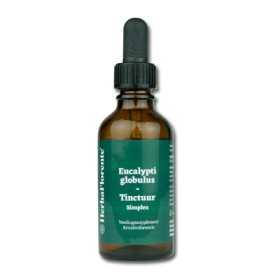
Eucalyptus Tincture - Eucalypti globulus Tincture
Single herbal tincture made with dried leaf of Eucalypti globulus (Eucalyptus).
Eucalyptus belongs to the myrtle family (Myrtaceae) and is native to Australia and adjacent areas. A few specimens were brought to Europe by Joseph Banks during Captain Cook's expedition.
In Europe, eucalyptus is primarily planted in the Mediterranean region. Some species can also grow on the west coast of England and Scotland, although only a few are winter-hardy.
Early oil is extracted from the leaves of several eucalyptus species. The best-known species for this purpose are Eucalyptus globulus and Eucalyptus odorata.
Eucalyptus belongs to the myrtle family (Myrtaceae) and is native to Australia and adjacent areas. A few specimens were brought to Europe by Joseph Banks during Captain Cook's expedition.
In Europe, eucalyptus is primarily planted in the Mediterranean region. Some species can also grow on the west coast of England and Scotland, although only a few are winter-hardy.
Early oil is extracted from the leaves of several eucalyptus species. The best-known species for this purpose are Eucalyptus globulus and Eucalyptus odorata.
€10.95
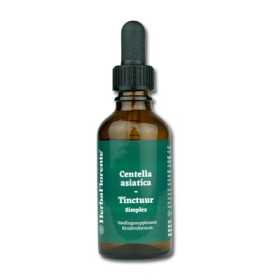
Asiatic Pennywort Tincture - Centella asiatica (Hydrocotyles) Tincture
Single herbal tincture made with dried herb of Centella asiatica (Hydrocotyles) (Asiatic Pennywort) (Gotu kola).
Centella asiatica, also known as Gotu kola (Centella asiatica), is a low-growing plant native to parts of Southeast Asia. It prefers humid areas and has played an important role in traditional systems such as Ayurveda for centuries.
Within these traditions, Centella asiatica is valued for its long history and diverse cultural applications. Due to the presence of various natural plant compounds, the plant has earned a permanent place in Asian herbal traditions.
Centella asiatica is recognizable by its creeping stems and small, rounded leaves. During the flowering period, small white to light pink flowers appear. Traditionally, the above-ground parts of the plant are primarily used.
Centella asiatica, also known as Gotu kola (Centella asiatica), is a low-growing plant native to parts of Southeast Asia. It prefers humid areas and has played an important role in traditional systems such as Ayurveda for centuries.
Within these traditions, Centella asiatica is valued for its long history and diverse cultural applications. Due to the presence of various natural plant compounds, the plant has earned a permanent place in Asian herbal traditions.
Centella asiatica is recognizable by its creeping stems and small, rounded leaves. During the flowering period, small white to light pink flowers appear. Traditionally, the above-ground parts of the plant are primarily used.
€9.95
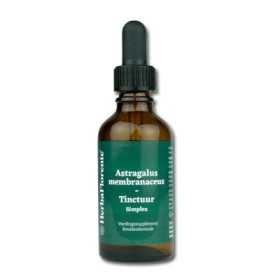
Astragalus Tincture - Astragalus membranaceus Tincture
Single herbal tincture made with dried root of Astragalus membranaceus (Astragalus).
Astragalus, also known as fleshy box pod (Astragalus membranaceus), is a plant native to Asia. The root of the plant has been used in traditional Chinese culture for thousands of years.
Astragalus holds an important place in this tradition and is associated with the concept of "qi," which represents life energy. Astragalus is used in a variety of applications, such as herbal teas, powders, and other herbal preparations.
The root contains various natural plant compounds and is valued for its long history of traditional use.
Astragalus, also known as fleshy box pod (Astragalus membranaceus), is a plant native to Asia. The root of the plant has been used in traditional Chinese culture for thousands of years.
Astragalus holds an important place in this tradition and is associated with the concept of "qi," which represents life energy. Astragalus is used in a variety of applications, such as herbal teas, powders, and other herbal preparations.
The root contains various natural plant compounds and is valued for its long history of traditional use.
€9.95
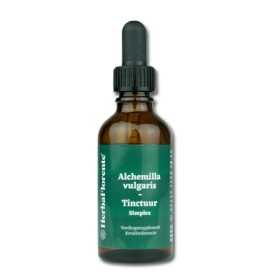
Lady's Mantle Tincture - Alchemilla vulgaris Tincture
Single herbal tincture made with dried herb of Alchemilla vulgaris (Lady's Mantle).
Lady's mantle (Alchemilla vulgaris) belongs to a genus of approximately one thousand species of perennial herbaceous and shrubby plants within the rose family (Rosaceae). The plant is primarily found in Europe and Asia, with some species in mountainous regions of Africa and North and South America. It prefers to grow in damp and disturbed places, such as forest edges, wet grasslands, and roadsides.
Lady's mantle (Alchemilla vulgaris) belongs to a genus of approximately one thousand species of perennial herbaceous and shrubby plants within the rose family (Rosaceae). The plant is primarily found in Europe and Asia, with some species in mountainous regions of Africa and North and South America. It prefers to grow in damp and disturbed places, such as forest edges, wet grasslands, and roadsides.
€12.95
Magnolia Berry (Schisandra) - Schisandrae chinensis
Schisandra, also known as the schisandra berry (Schisandra chinensis), is a plant that has been used in traditional Chinese herbalism for over 2,000 years. The plant produces dark red berries, of which only the seeds are used. These are traditionally harvested after the first frost and then dried.
The schisandra berry naturally contains various plant compounds, including antioxidants. Due to its unique composition and long history, schisandra is often used in herbal blends and teas for traditional purposes.
Within traditional Chinese culture, schisandra is valued and frequently used in herbal formulas. Today, the berry is also used outside of Asia as an ingredient in various herbal preparations.
The schisandra berry naturally contains various plant compounds, including antioxidants. Due to its unique composition and long history, schisandra is often used in herbal blends and teas for traditional purposes.
Within traditional Chinese culture, schisandra is valued and frequently used in herbal formulas. Today, the berry is also used outside of Asia as an ingredient in various herbal preparations.
€7.50
From: €7.50

Magnesium Bisglycinate - 500 mg
Magnesium bisglycinate is an organic form of magnesium in which the mineral is bound to the amino acid glycine. This chelate bond creates a stable compound suitable for use in dietary supplements. Magnesium bisglycinate is widely used due to its composition and practical application within a daily diet.
€25.95
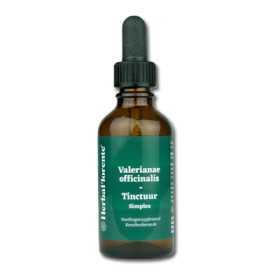
Valerian Tincture - Valerianae officinalis Tincture
Single herbal tincture made with dried root of Valerianae officinalis (Valerian).
Valerian (Valeriana officinalis) is a plant with a long history of use in Europe. It is still common in the Netherlands and prefers airy, moist soil. The roots of the plant, in particular, are known for their strong and distinctive odor, which attracts cats, among other things.
Valerian has been used in folk customs and traditions since ancient times. Our ancestors employed the herb in rituals and symbolic practices, for example, to ward off evil. Brides and grooms wore wreaths of valerian leaves, and farmers used the herb in traditional agricultural practices.
Valerian (Valeriana officinalis) is a plant with a long history of use in Europe. It is still common in the Netherlands and prefers airy, moist soil. The roots of the plant, in particular, are known for their strong and distinctive odor, which attracts cats, among other things.
Valerian has been used in folk customs and traditions since ancient times. Our ancestors employed the herb in rituals and symbolic practices, for example, to ward off evil. Brides and grooms wore wreaths of valerian leaves, and farmers used the herb in traditional agricultural practices.
€10.95
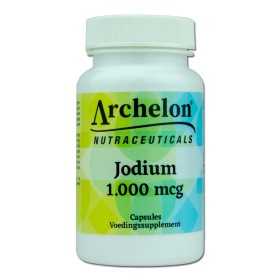
Iodine - 1,000 mcg
Iodine is an essential mineral required for the normal production of thyroid hormones and normal thyroid function. Thyroid hormones play a key role in various bodily processes.
Iodine contributes to normal energy-yielding metabolism and also supports the normal functioning of the nervous system. Iodine also contributes to normal cognitive function and the maintenance of normal skin.
This supplement is intended as a supplement to a varied, balanced diet and a healthy lifestyle.
Iodine contributes to normal energy-yielding metabolism and also supports the normal functioning of the nervous system. Iodine also contributes to normal cognitive function and the maintenance of normal skin.
This supplement is intended as a supplement to a varied, balanced diet and a healthy lifestyle.
€29.95

Co-enzyme Q10 - 100 mg
Coenzyme Q10, also known as ubiquinone, is a fat-soluble compound that occurs naturally in the human body. It is found in the mitochondria of cells and is present in foods such as meat, fish, grains, and nuts. The amount of CoQ10 in food can vary, and supplements are often offered as part of a varied and balanced diet.
€42.95