


Trending
€57.50
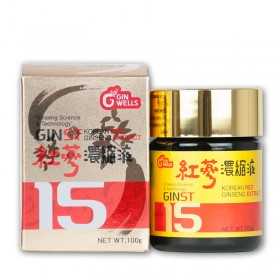
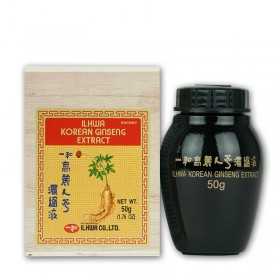
ILHWA GINST15 Korean Red Ginseng Extract
€61.46 €81.95 -25%

€62.50

€26.63 €35.50 -25%

€62.50
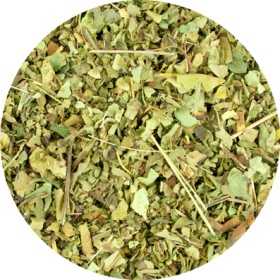
Lungwort - Pulmonaria officinalis
€5.91 €6.95 -15%

Echinacea (Red Coneflower) - 350 mg
€15.96 €19.95 -20%

€72.50

€54.95
€40.13 €53.50 -25%
Best sellers
There are 394 products.
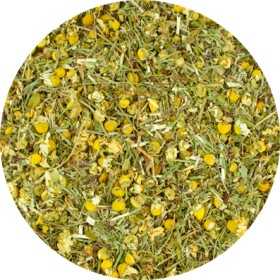
Bladder Herbal Tea
Herbal tea composed of various herbs
€3.95
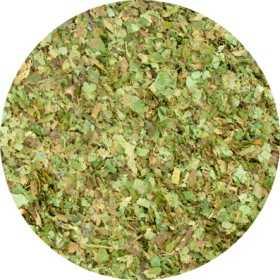
Witch Hazel (Leaf) - Hamamelis virginiana
The American witch hazel (Hamamelis virginiana) is a shrub belonging to the family Hamamelidaceae, native to North America from Nova Scotia to Minnesota, and from southern and central Florida to eastern Texas.
The shrub can reach a height of 6 to sometimes even 10 meters, with a bushy growth thanks to the many branches that arise just above the ground. The bark is light brown, smooth but somewhat flaky, and shows a reddish-purple color on the inside.
Blooming from September through October, the flowers of the American witch hazel display clusters of 4 stamens. They usually range from pale yellow to bright yellow, although orange or red hues also occur. The petals are ribbon-shaped and measure 10-20 mm in length.
The shrub can reach a height of 6 to sometimes even 10 meters, with a bushy growth thanks to the many branches that arise just above the ground. The bark is light brown, smooth but somewhat flaky, and shows a reddish-purple color on the inside.
Blooming from September through October, the flowers of the American witch hazel display clusters of 4 stamens. They usually range from pale yellow to bright yellow, although orange or red hues also occur. The petals are ribbon-shaped and measure 10-20 mm in length.
€5.00
From: €5.00
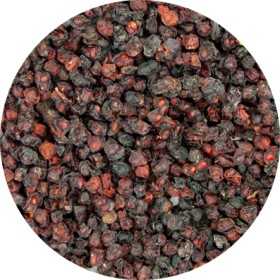
Magnolia Berry (Schisandra) - Schisandrae chinensis - Whole
Schisandra, also known as the schisandra berry (Schisandra chinensis), is a plant that has been used in traditional Chinese herbalism for over 2,000 years. The plant produces dark red berries, of which only the seeds are used. These are traditionally harvested after the first frost and then dried.
The schisandra berry naturally contains various plant compounds, including antioxidants. Due to its unique composition and long history, schisandra is often used in herbal blends and teas for traditional purposes.
Within traditional Chinese culture, schisandra is valued and frequently used in herbal formulas. Today, the berry is also used outside of Asia as an ingredient in various herbal preparations.
The schisandra berry naturally contains various plant compounds, including antioxidants. Due to its unique composition and long history, schisandra is often used in herbal blends and teas for traditional purposes.
Within traditional Chinese culture, schisandra is valued and frequently used in herbal formulas. Today, the berry is also used outside of Asia as an ingredient in various herbal preparations.
€6.95
From: €6.95

Stomach Herbal Tea
Herbal tea composed of various herbs
€3.95
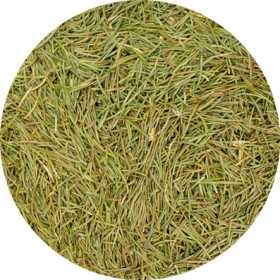
Spruce - Picea Abies
The Norway spruce (Picea abies) belongs to the pine family (Pinaceae) and is native to Northern and Central Europe. It is an imposing conifer that can grow up to 50 meters high.
This tree is monoecious and has a narrow, cone-shaped crown. Spruce trees that grow at lower elevations tend to have wider crowns to be less affected by snow accumulation. The twigs are reddish to orange-brown, while the buds are smooth, brown and pointed. The needles are dark green on all sides and surround the twigs. They are stiff, sharply pointed, square in cross-section and can grow 1 to 2.5 cm long. The lifespan of the needles can be up to 5 to 7 years.
This tree is monoecious and has a narrow, cone-shaped crown. Spruce trees that grow at lower elevations tend to have wider crowns to be less affected by snow accumulation. The twigs are reddish to orange-brown, while the buds are smooth, brown and pointed. The needles are dark green on all sides and surround the twigs. They are stiff, sharply pointed, square in cross-section and can grow 1 to 2.5 cm long. The lifespan of the needles can be up to 5 to 7 years.
€2.00
From: €2.00
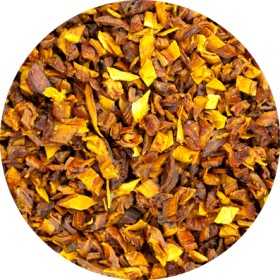
Papaya - Papayae
Out-of-Stock
The papaya (Carica papaya) belongs to the Caricaceae family and is imported to Belgium and the Netherlands from Central America, Asia, Central and South Africa. Recently, the papaya has also been grown in greenhouses in the Netherlands, which requires special soil. This fruit is available all year round, without significant seasonality.
The papaya grows on the trunk of a melon tree and is therefore also called "tree melon". The origin of the papaya tree is in Mexico. This tree can grow up to six meters tall, with a hollow trunk and large, finger-shaped leaves. There are several subspecies of the papaya.
The papaya grows on the trunk of a melon tree and is therefore also called "tree melon". The origin of the papaya tree is in Mexico. This tree can grow up to six meters tall, with a hollow trunk and large, finger-shaped leaves. There are several subspecies of the papaya.
€3.60
From: €3.60
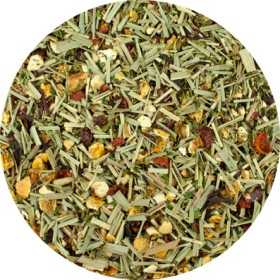
Citrus Blend Herbal Tea
Herbal tea composed of various herbs
Delicious for every moment
Delicious for every moment
€3.95
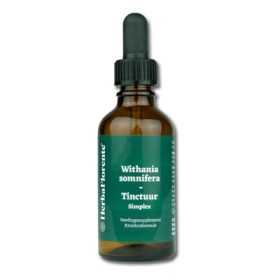
Ashwagandha (Winter Cherry) Tincture - Withania somnifera Tincture
Single herbal tincture made with dried root of Withania somnifera (Ashwagandha/Winter Cherry).
Ashwagandha, officially known as Withania somnifera, is a plant that has been used for centuries in the Ayurvedic tradition of India. Within this traditional teaching, ashwagandha is referred to as a rasayana, a term used in Ayurveda for herbs with special cultural and historical significance.
The plant belongs to the Magnoliophyta family and is also known as Indian ginseng and winter cherry. The root of the plant is traditionally used most often.
The name ashwagandha literally means "horse scent," a reference to the characteristic, earthy aroma of the fresh root.
Ashwagandha, officially known as Withania somnifera, is a plant that has been used for centuries in the Ayurvedic tradition of India. Within this traditional teaching, ashwagandha is referred to as a rasayana, a term used in Ayurveda for herbs with special cultural and historical significance.
The plant belongs to the Magnoliophyta family and is also known as Indian ginseng and winter cherry. The root of the plant is traditionally used most often.
The name ashwagandha literally means "horse scent," a reference to the characteristic, earthy aroma of the fresh root.
€10.95
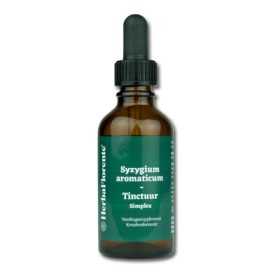
Clove Tincture - Syzygium aromaticum Tincture
Single herbal tincture made with dried flower of Syzygium aromaticum (Clove).
Cloves are the dried flower buds of the clove tree (Syzygium aromaticum), an evergreen tree native to the Moluccas. The flower buds are harvested before they fully open and then dried. This drying process gives them their characteristic dark color and intensely aromatic scent.
The spice is characterized by its strong flavor and warm, spicy aroma. These properties are primarily due to the presence of essential oils, of which eugenol is the most important component. Eugenol largely determines the scent and flavor profile of cloves and contributes to the stability of the product.
Cloves are the dried flower buds of the clove tree (Syzygium aromaticum), an evergreen tree native to the Moluccas. The flower buds are harvested before they fully open and then dried. This drying process gives them their characteristic dark color and intensely aromatic scent.
The spice is characterized by its strong flavor and warm, spicy aroma. These properties are primarily due to the presence of essential oils, of which eugenol is the most important component. Eugenol largely determines the scent and flavor profile of cloves and contributes to the stability of the product.
€10.95
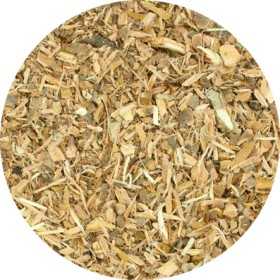
copy of Witch Hazel (Bark) - Hamamelis virginiana
The American witch hazel (Hamamelis virginiana) is a shrub belonging to the family Hamamelidaceae, native to North America from Nova Scotia to Minnesota, and from southern and central Florida to eastern Texas.
The shrub can reach a height of 6 to sometimes even 10 meters, with a bushy growth thanks to the many branches that arise just above the ground. The bark is light brown, smooth but somewhat flaky, and shows a reddish-purple color on the inside.
Blooming from September through October, the flowers of the American witch hazel display clusters of 4 stamens. They usually range from pale yellow to bright yellow, although orange or red hues also occur. The petals are ribbon-shaped and measure 10-20 mm in length.
The shrub can reach a height of 6 to sometimes even 10 meters, with a bushy growth thanks to the many branches that arise just above the ground. The bark is light brown, smooth but somewhat flaky, and shows a reddish-purple color on the inside.
Blooming from September through October, the flowers of the American witch hazel display clusters of 4 stamens. They usually range from pale yellow to bright yellow, although orange or red hues also occur. The petals are ribbon-shaped and measure 10-20 mm in length.
€5.20
From: €5.20
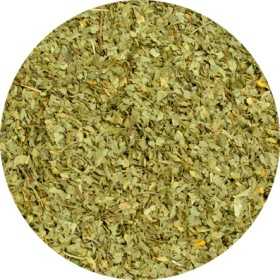
Parsley - Petroselini - Cut
Parsley (Petroselinum crispum) is a biennial, hardy herbaceous plant from the Apiaceae family. The herb is widely used in European, American, and Middle Eastern cuisine for its fresh, aromatic flavor.
In ancient times, parsley had symbolic meaning. For the ancient Greeks, the herb symbolized joy and was frequently used in rituals and traditions. The Romans spread the use of parsley throughout Western Europe. In the Middle Ages, parsley was eaten and cultivated as both an herb and a vegetable, including in the gardens of Charlemagne.
For culinary use, the leaves are primarily used, preferably just before serving. Parsley is often combined with garlic in herb butter, used in salads, and incorporated into a variety of dishes. The seeds can also be ground and used as a spice.
In ancient times, parsley had symbolic meaning. For the ancient Greeks, the herb symbolized joy and was frequently used in rituals and traditions. The Romans spread the use of parsley throughout Western Europe. In the Middle Ages, parsley was eaten and cultivated as both an herb and a vegetable, including in the gardens of Charlemagne.
For culinary use, the leaves are primarily used, preferably just before serving. Parsley is often combined with garlic in herb butter, used in salads, and incorporated into a variety of dishes. The seeds can also be ground and used as a spice.
€2.20
From: €2.20
Kelp - Vesiculosus Fucus
Kelp, a member of the brown algae (Laminariales) family, thrives in the cold waters of the major oceans. This large species of seaweed is an excellent source of iodine, an essential element for healthy thyroid function in humans.
In Asia, especially Japan, seaweed has been an integral part of the daily diet for centuries. A well-known kelp species is kombu (Laminaria japonica), which is often cooked with rice for sushi. In addition to being one of the largest plants in the world, kelp is known for growing extremely quickly, sometimes up to three meters per day.
In Asia, especially Japan, seaweed has been an integral part of the daily diet for centuries. A well-known kelp species is kombu (Laminaria japonica), which is often cooked with rice for sushi. In addition to being one of the largest plants in the world, kelp is known for growing extremely quickly, sometimes up to three meters per day.
€2.50
From: €2.50
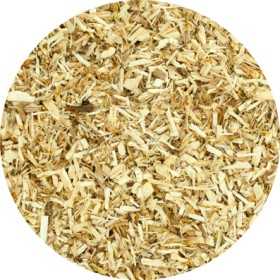
Elm - Ulmi camp. - Cut
The elm (Ulmus), also known as olm, is a genus of deciduous trees. These trees have feather-veined leaves with a serrate or double-serrate leaf edge. They bloom before the leaves appear, with small green perianths whose petals are fused together. Above the perianths are the stamens with purple anthers and the pistil. The seeds of the elm are flattened and have a broad, winged edge. Elms thrive best in fairly nutrient-rich, moist and calcareous soil.
€2.00
From: €2.00

ILHWA GINST15 Korean Ginseng Soft Capsules - 60 caps
These soft capsules contain hydrolyzed ginseng extract (GINST15) and are easy to swallow, ideal for those who prefer to avoid the taste or smell of Panax Ginseng. The capsules are packaged in blister packs of six, making them easy to carry.
Panax Ginseng is a slow-growing plant with a sturdy root that has been part of traditional Chinese medicine for thousands of years. The name Panax comes from the Greek "panacea," meaning "all-healer." Only true Panax Ginseng contains unique substances, ginsenosides. Other plants with "ginseng" in their name, such as Siberian ginseng, Ashwagandha, or Brazilian ginseng, do not contain these specific substances.
Panax Ginseng is a slow-growing plant with a sturdy root that has been part of traditional Chinese medicine for thousands of years. The name Panax comes from the Greek "panacea," meaning "all-healer." Only true Panax Ginseng contains unique substances, ginsenosides. Other plants with "ginseng" in their name, such as Siberian ginseng, Ashwagandha, or Brazilian ginseng, do not contain these specific substances.
€44.21
€58.95

Olive - Olea europaea
Olive leaves come from the wild olive tree (Olea europaea) and naturally contain antioxidants. These trees are native to Western Asia, Egypt, and Syria, and are now also found in the Mediterranean, South America, the southern United States, southern Australia, and the tropics.
Olive leaves have been used for centuries in the Mediterranean region, for example, as a tea. They contain various plant compounds, including oleuropein, secoiridoids, and flavonoids. Olive leaves have a rich history in traditional cuisine and folk herbalism and are often associated with the olive tree, also known as the "tree of life."
Olive leaves have been used for centuries in the Mediterranean region, for example, as a tea. They contain various plant compounds, including oleuropein, secoiridoids, and flavonoids. Olive leaves have a rich history in traditional cuisine and folk herbalism and are often associated with the olive tree, also known as the "tree of life."
€2.25
From: €2.25
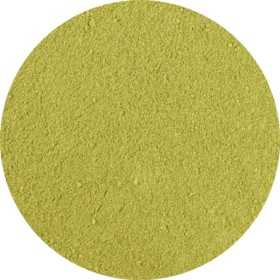
Artichoke - Cynaria scolmycus
The artichoke (Cynara scolymus) is a plant native to the Mediterranean region. The green or purple flower buds are often eaten as a vegetable and are known for their slightly bitter, aromatic flavor. The plant has been used for centuries in various cuisines and preparations.
Artichokes contain a wide range of nutrients and phytonutrients. These include beta-carotene, vitamin C, vitamin B, and minerals such as calcium, magnesium, and potassium. They also contain flavonoids, enzymes, and tannins, which contribute to the characteristic color and flavor of the flower buds.
Thanks to their rich flavor and unique texture, artichokes are popular in salads, soups, pastas, and various culinary dishes.
Artichokes contain a wide range of nutrients and phytonutrients. These include beta-carotene, vitamin C, vitamin B, and minerals such as calcium, magnesium, and potassium. They also contain flavonoids, enzymes, and tannins, which contribute to the characteristic color and flavor of the flower buds.
Thanks to their rich flavor and unique texture, artichokes are popular in salads, soups, pastas, and various culinary dishes.
€2.95
From: €2.95
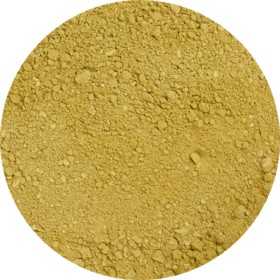
Valerian - Valerianae officinalis
Valerian (Valeriana officinalis) is a plant with a long history of use in Europe. It is still common in the Netherlands and prefers airy, moist soil. The roots of the plant, in particular, are known for their strong and distinctive odor, which attracts cats, among other things.
Valerian has been used in folk customs and traditions since ancient times. Our ancestors employed the herb in rituals and symbolic practices, for example, to ward off evil. Brides and grooms wore wreaths of valerian leaves, and farmers used the herb in traditional agricultural practices.
Valerian's distinct scent is due to the natural plant compounds found in the root. Today, valerian is primarily valued for its characteristic properties and historical significance.
Valerian has been used in folk customs and traditions since ancient times. Our ancestors employed the herb in rituals and symbolic practices, for example, to ward off evil. Brides and grooms wore wreaths of valerian leaves, and farmers used the herb in traditional agricultural practices.
Valerian's distinct scent is due to the natural plant compounds found in the root. Today, valerian is primarily valued for its characteristic properties and historical significance.
€3.70
From: €3.70
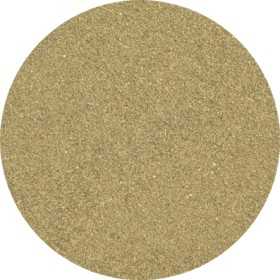
Black Pepper - Piper nigrum
Pepper is a commonly used spice in cooking, known for its sharp taste. It is obtained from the berries of the tropical pepper plant, Piper nigrum. The pungency of black peppercorns comes from the component piperine. Pepper comes in different colors, including black, white and green.
It can be used in virtually any dish and enhances the flavor of meat while adding a spicy note to soups and purees. Sometimes pepper is also used in baking products, such as gingerbread, albeit in moderate amounts. Whole peppercorns, dried berries of the pepper plant, are used in some dishes. Although pepper is also available ground, many gourmets prefer freshly ground pepper. In addition, pepper is also often used fresh. In India, pepper is added to the spiciest curry mixtures.
It can be used in virtually any dish and enhances the flavor of meat while adding a spicy note to soups and purees. Sometimes pepper is also used in baking products, such as gingerbread, albeit in moderate amounts. Whole peppercorns, dried berries of the pepper plant, are used in some dishes. Although pepper is also available ground, many gourmets prefer freshly ground pepper. In addition, pepper is also often used fresh. In India, pepper is added to the spiciest curry mixtures.
€3.00
From: €3.00
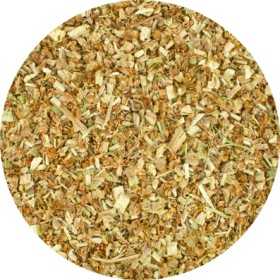
Sheep's sorrel - Rumex acetosa
Sheep's sorrel (Rumex acetosa) is a perennial plant that is part of the knotweed family (Polygonaceae). This versatile plant grows to a height of 10 to 60 cm and spreads via numerous long, underground runners.
The leaves, which reach a length of 3 to 7 cm, have a characteristic spike shape and vary from obovate to narrow linear. From May until deep into autumn, sheep's sorrel adorns itself with plumes that usually have a greenish hue, sometimes with a light red glow. In certain specimens, the plumes can even turn dark red, which provides a striking contrast in the landscape.
The leaves, which reach a length of 3 to 7 cm, have a characteristic spike shape and vary from obovate to narrow linear. From May until deep into autumn, sheep's sorrel adorns itself with plumes that usually have a greenish hue, sometimes with a light red glow. In certain specimens, the plumes can even turn dark red, which provides a striking contrast in the landscape.
€2.25
From: €2.25

Comfrey Tincture - Symphytum officinalis Tincture
Single herbal tincture made with dried root of Symphytum officinalis (Comfrey).
Common comfrey (Symphytum officinale) is common in the Netherlands and Belgium. It belongs to the Boraginaceae family, a genus of primarily perennial herbs. The flowers have a calyx that is quarter- or completely incised, while the leaves are oblong to lance-shaped and spread out along the stem.
Traditionally, comfrey was used in folk medicine to make ointments, poultices, and compresses.
Common comfrey (Symphytum officinale) is common in the Netherlands and Belgium. It belongs to the Boraginaceae family, a genus of primarily perennial herbs. The flowers have a calyx that is quarter- or completely incised, while the leaves are oblong to lance-shaped and spread out along the stem.
Traditionally, comfrey was used in folk medicine to make ointments, poultices, and compresses.
€12.95
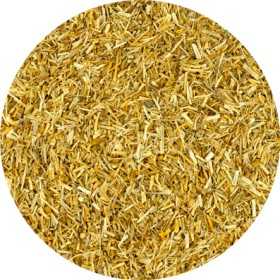
Centaury - Centaurium erythraea
Centaury is the Dutch name for various herbaceous plants from the genus Centaurium (synonym: Erythraea), belonging to the gentian family (Gentianaceae). The genus contains approximately fifty species. The botanical name is often associated with the centaur Chiron from Greek mythology, who was known for his knowledge of plants. Another explanation refers to the Latin centum (hundred) and aurum (gold), possibly indicating the historical value attributed to the herb.
Centaury is native to large parts of Europe and the Mediterranean region. The plants prefer sunny and slightly moist locations, such as dunes, grasslands, forest edges, and meadows.
Centaury is native to large parts of Europe and the Mediterranean region. The plants prefer sunny and slightly moist locations, such as dunes, grasslands, forest edges, and meadows.
€2.50
From: €2.50
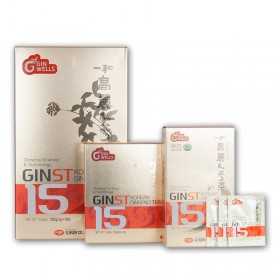
ILHWA GINST15 Korean Ginseng Tea
Experience the taste of Panax Ginseng with our ginseng tea, made with hydrolyzed GINST15 extract.
GINST15 tea is made with granulated ginseng and hydrolyzed extract, which preserves the ginsenosides in the tea. Panax Ginseng is a slow-growing root plant that has been used for centuries in traditional Chinese herbal medicine and is known worldwide for its unique ginsenoside composition.
GINST15 tea is made with granulated ginseng and hydrolyzed extract, which preserves the ginsenosides in the tea. Panax Ginseng is a slow-growing root plant that has been used for centuries in traditional Chinese herbal medicine and is known worldwide for its unique ginsenoside composition.
€25.13
€33.50
From: €25.13
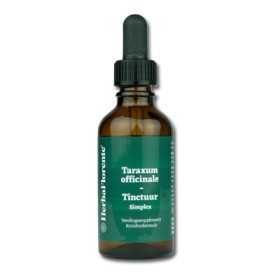
Dandelion Tincture - Taraxum officinale Tincture
Single herbal tincture made with dried herb & root of Taraxum officinale (Dandelion).
Dandelion (Taraxacum officinale) is a plant that has been used for centuries in various cultures. Both the root and the aerial parts of the plant are used and are known for their versatile uses.
The young leaves of the dandelion are traditionally used in dishes such as salads, especially in spring. The yellow flowers can be used as decoration and are also suitable for drying and making into herbal tea.
Dandelion (Taraxacum officinale) is a plant that has been used for centuries in various cultures. Both the root and the aerial parts of the plant are used and are known for their versatile uses.
The young leaves of the dandelion are traditionally used in dishes such as salads, especially in spring. The yellow flowers can be used as decoration and are also suitable for drying and making into herbal tea.
€9.95

Pau D'arco - Tabeuiae
Pau d’arco (Tabebuia avellanedae) is a tree native to the Amazon region. Traditionally, the inner layer of the bark is primarily used. This bark has a long history within various cultures in South America.
Pau d’arco bark naturally contains various plant compounds, including flavonoids and quinones. More than twenty different quinone compounds have been identified in the bark, including lapachol and beta-lapachone. These compounds contribute to the characteristic composition of pau d’arco.
Pau d’arco is traditionally made into tea or other herbal preparations and is valued for its natural origins and rich plant profile.
Pau d’arco bark naturally contains various plant compounds, including flavonoids and quinones. More than twenty different quinone compounds have been identified in the bark, including lapachol and beta-lapachone. These compounds contribute to the characteristic composition of pau d’arco.
Pau d’arco is traditionally made into tea or other herbal preparations and is valued for its natural origins and rich plant profile.
€2.60
From: €2.60