


Trending
€57.50
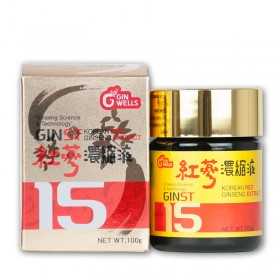
ILHWA GINST15 Korean Red Ginseng Extract
€61.46 €81.95 -25%
€62.50

€26.63 €35.50 -25%

€62.50
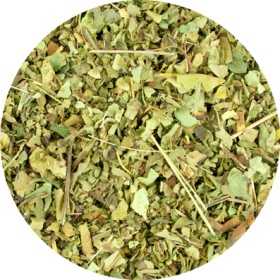
Lungwort - Pulmonaria officinalis
€5.91 €6.95 -15%
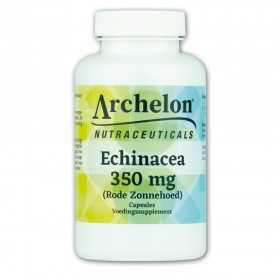
Echinacea (Red Coneflower) - 350 mg
€15.96 €19.95 -20%

€72.50

€54.95
€40.13 €53.50 -25%
Latest Blog

Best sellers
There are 394 products.
Blackberry (Leaf) - Rubus fructicosus, Frucus Rubi
The genus Blackberry (Rubus) belongs to the rose family and has more than 1400 species worldwide. More than 200 of these species grow in the Netherlands and Belgium.
Blackberries are prized primarily for their fruits, which range in color from red to dark blue. They have a sweet taste and can be eaten fresh or processed into jam, for example.
The leaves of the blackberry can be used to make herbal tea. After picking, the leaves should be dried in a dry and airy place, after which they can be used to make tea.
Blackberries are prized primarily for their fruits, which range in color from red to dark blue. They have a sweet taste and can be eaten fresh or processed into jam, for example.
The leaves of the blackberry can be used to make herbal tea. After picking, the leaves should be dried in a dry and airy place, after which they can be used to make tea.
€2.00
From: €2.00
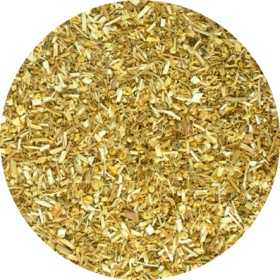
Feverfew - Tanacetum parthenium
Feverfew, also known as feverfew, is an aromatic perennial plant native to southwestern Europe. It has a long history in herbal medicine and is traditionally grown in herb gardens for its aromatic flowers and leaves.
The plant naturally contains various plant compounds, including flavonoids and other bioactive components. Flowers and leaves are used in herbal products and teas. Thanks to its rich composition, feverfew is a popular herb for use in various traditional applications and botanical collections.
The plant naturally contains various plant compounds, including flavonoids and other bioactive components. Flowers and leaves are used in herbal products and teas. Thanks to its rich composition, feverfew is a popular herb for use in various traditional applications and botanical collections.
€2.95
From: €2.95
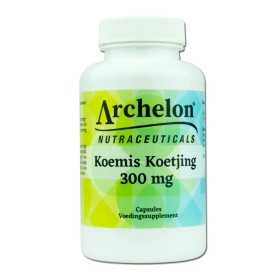
Cat's whiskers - Koemis Koetjing - 300 mg
Cat's whiskers (Orthosiphon aristatus), also known as Kumis Kutjing or koemis koetjing, is a plant traditionally used in various herbal cultures in Southeast Asia. The plant belongs to the Lamiaceae family and grows naturally in tropical and subtropical regions, particularly in countries such as Malaysia and Indonesia (Java). Orthosiphon aristatus is particularly prevalent in moist habitats such as riverbanks, wetlands, and swampy areas.
The Dutch name "kattensnor" (cat's whiskers) refers to the striking appearance of the flowers. These are white to light purple in color and have long, thread-like stamens that can resemble a cat's whiskers. The plant is primarily cultivated for its leaves, which are dried after harvest and used in various herbal preparations.
The Dutch name "kattensnor" (cat's whiskers) refers to the striking appearance of the flowers. These are white to light purple in color and have long, thread-like stamens that can resemble a cat's whiskers. The plant is primarily cultivated for its leaves, which are dried after harvest and used in various herbal preparations.
€19.95
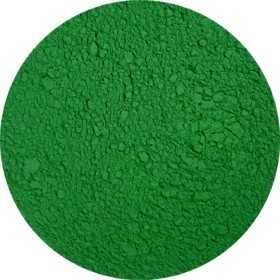
Spirulina - Spirulina platensis
Spirulina is a type of single-celled algae that contains both chlorophyll (a green pigment) and phycocyanin (a blue pigment). The algae forms spiral-shaped microscopic strands and grows naturally in warm, freshwater.
Spirulina contains various nutrients, including protein, vitamins (such as B-complex and E), carotenoids, iron, manganese, zinc, and some fatty acids. Because of this composition, spirulina is often used as part of a varied diet.
The algae can grow in warm environments and retain many of their nutrients, even during processing at higher temperatures.
Spirulina contains various nutrients, including protein, vitamins (such as B-complex and E), carotenoids, iron, manganese, zinc, and some fatty acids. Because of this composition, spirulina is often used as part of a varied diet.
The algae can grow in warm environments and retain many of their nutrients, even during processing at higher temperatures.
€2.50
From: €2.50
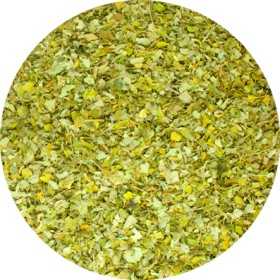
Moringa Tree - Moringa oleifera - (Leaf Cut)
Moringa oleifera, often called the "tree of life," is a plant native to parts of Africa and Asia. The leaves of the moringa tree contain various nutrients, such as vitamins, minerals, proteins, and antioxidants.
In many Asian and African cultures, moringa has been used for centuries as part of the daily diet. The leaves can be incorporated into meals or used as a supplement for their nutritional value.
In many Asian and African cultures, moringa has been used for centuries as part of the daily diet. The leaves can be incorporated into meals or used as a supplement for their nutritional value.
€2.95
From: €2.95
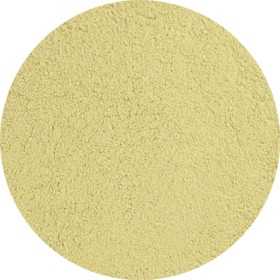
Ashwagandha - Withania somnifera
Ashwagandha, officially known as Withania somnifera, is a plant that has been used for centuries in the Ayurvedic tradition of India. Within this traditional teaching, ashwagandha is referred to as a rasayana, a term used in Ayurveda for herbs with special cultural and historical significance.
The plant belongs to the Magnoliophyta family and is also known as Indian ginseng and winter cherry. The root of the plant is traditionally used most often.
The name ashwagandha literally means "horse scent," a reference to the characteristic, earthy aroma of the fresh root. In Indian culture, the herb is often symbolically associated with strength and vitality, similar to that of a horse.
The plant belongs to the Magnoliophyta family and is also known as Indian ginseng and winter cherry. The root of the plant is traditionally used most often.
The name ashwagandha literally means "horse scent," a reference to the characteristic, earthy aroma of the fresh root. In Indian culture, the herb is often symbolically associated with strength and vitality, similar to that of a horse.
€4.40
From: €4.40
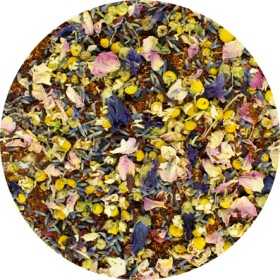
Flowers Herbal Tea
Herbal tea composed of various herbs
Nice for a floral moment
Nice for a floral moment
€3.95
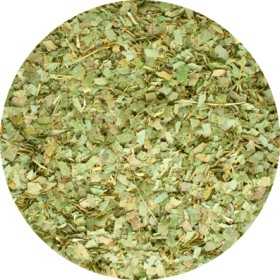
Horny Goat Herb - Yin Yang Huo - Epimedium brevicornum
Epimedium, commonly known as fairy flower, is a genus of approximately 25 species of perennial plants in the barberry family (Berberidaceae). These plants are native to southern Europe and parts of Asia, including Central, South, and East Asia.
Epimedium species are perennial and have striking, graceful flowers that appear in spring or early summer. The delicate, spidery flowers consist of four petals and add a unique touch to any garden.
In China, the plant is known as "yin yang huo." According to ancient stories, it was given this name after a goat herder noticed his animals eating the plant.
Epimedium species are perennial and have striking, graceful flowers that appear in spring or early summer. The delicate, spidery flowers consist of four petals and add a unique touch to any garden.
In China, the plant is known as "yin yang huo." According to ancient stories, it was given this name after a goat herder noticed his animals eating the plant.
€9.95
From: €9.95
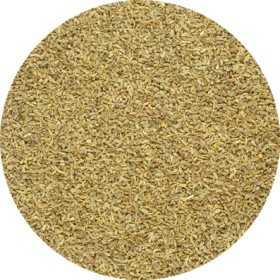
Anise - Pimpinella anisum
Anise seed has a naturally sweet, warm taste reminiscent of licorice. It is a versatile seasoning that can be used in both sweet and savory dishes. All over the world, anise seed is used in confectionery, and it is also often added to liqueurs, such as Ouzo.
You can add anise seeds to bread, pastries, cookies, fruit and gingerbread. In Indian cuisine, anise is indispensable in curries and fish dishes, and it gives a delicious flavor to vegetables such as pumpkin and carrot. In the Netherlands it is a tradition to use anise seed on rusk with mice at birth.
Anise seed tea has a warm, mild flavor and is popular as an after-dinner tea.
You can add anise seeds to bread, pastries, cookies, fruit and gingerbread. In Indian cuisine, anise is indispensable in curries and fish dishes, and it gives a delicious flavor to vegetables such as pumpkin and carrot. In the Netherlands it is a tradition to use anise seed on rusk with mice at birth.
Anise seed tea has a warm, mild flavor and is popular as an after-dinner tea.
€2.95
From: €2.95
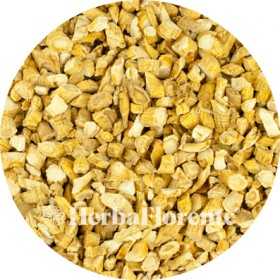
Ginseng (Panax) - Ginseng Panax - Cut
Panax ginseng is a plant with a slow-growing, sturdy root and belongs to the Araliaceae family. It is one of the most well-known plants in traditional Chinese medicine and has been used in Asia for thousands of years.
The name "Panax" comes from the Greek word for "all-healer," referring to the plant's historical reputation in traditional medicine. Panax ginseng contains unique compounds called ginsenosides, which are found only in this plant.
Other plants with "ginseng" in their names, such as Siberian ginseng (Eleutherococcus senticosus) or Indian ginseng/Ashwagandha (Withania somnifera), belong to different plant families and do not contain these specific ginsenosides.
The name "Panax" comes from the Greek word for "all-healer," referring to the plant's historical reputation in traditional medicine. Panax ginseng contains unique compounds called ginsenosides, which are found only in this plant.
Other plants with "ginseng" in their names, such as Siberian ginseng (Eleutherococcus senticosus) or Indian ginseng/Ashwagandha (Withania somnifera), belong to different plant families and do not contain these specific ginsenosides.
€16.00
From: €16.00
Fenugreek - Foenugraeci graecum - Whole
Fenugreek (Trigonella foenum-graecum), also known as fenugreek, fenugreek, or Greek hay, is a versatile plant native to the Mediterranean and later became popular in parts of Asia.
The aromatic seeds and leaves are widely used as a spice in Indian cuisine and can help soften bitter flavors in dishes or products. Fenugreek contains minerals such as iron and copper, and naturally occurring compounds like saponins and coumarins, the latter contributing to its characteristic hay-like aroma.
The aromatic seeds and leaves are widely used as a spice in Indian cuisine and can help soften bitter flavors in dishes or products. Fenugreek contains minerals such as iron and copper, and naturally occurring compounds like saponins and coumarins, the latter contributing to its characteristic hay-like aroma.
€1.95
From: €1.95
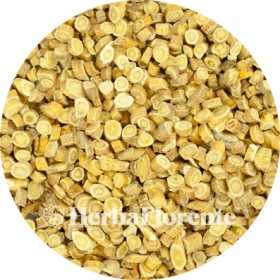
Astragalus - Astragalus chinensis membranus - Cut
Astragalus, also known as fleshy box pod (Astragalus membranaceus), is a plant native to Asia. The root of the plant has been used in traditional Chinese culture for thousands of years.
Astragalus holds an important place in this tradition and is associated with the concept of "qi," which represents life energy. Astragalus is used in a variety of applications, such as herbal teas, powders, and other herbal preparations.
The root contains various natural plant compounds and is valued for its long history of traditional use.
Astragalus holds an important place in this tradition and is associated with the concept of "qi," which represents life energy. Astragalus is used in a variety of applications, such as herbal teas, powders, and other herbal preparations.
The root contains various natural plant compounds and is valued for its long history of traditional use.
€2.60
From: €2.60
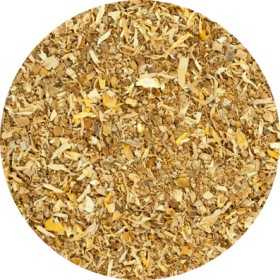
Birch - Butla alba, Betulae (Bark Cut)
The birch (Betula) is a tree that has held a special place in European cultures and traditions for centuries. Historically, the birch was sometimes seen as a symbolic or even sacred tree, partly due to its role in seasonal rituals and folk customs.
In early spring, just before the tree begins to bud, birch sap can be tapped. This time coincides with the period when the sap flow is most active. Young birch leaves are also traditionally collected during this phase. Both the sap and the leaves are part of ancient customs and have long been described in botanical and herbal sources.
Birch leaves naturally contain various plant compounds, including flavonoids, saponins, and tannins.
In early spring, just before the tree begins to bud, birch sap can be tapped. This time coincides with the period when the sap flow is most active. Young birch leaves are also traditionally collected during this phase. Both the sap and the leaves are part of ancient customs and have long been described in botanical and herbal sources.
Birch leaves naturally contain various plant compounds, including flavonoids, saponins, and tannins.
€2.00
From: €2.00
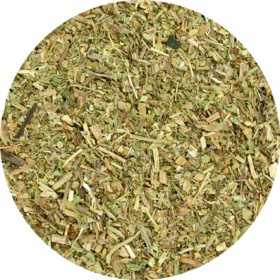
Plantain Broadleaf - Plantaginis major
The Plantain Broadleaf (Plantago major) is a plant belonging to the plantain family (Plantaginaceae) and varies in size from 10 to 50 cm. It forms a dense leaf rosette that is resistant to foot traffic, which is why it is often considered a weed. This plant species is common in gardens, along roads and paths, and is sometimes derisively called the "white man's footprint". Nevertheless, there is a cultivated variety known as Plantago major 'Rosularis'.
€2.00
From: €2.00
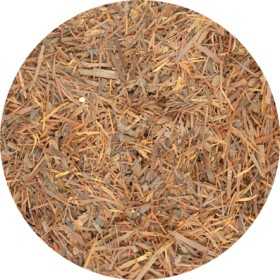
Pau D'arco - Tabeuiae - (Cut)
Pau d’arco (Tabebuia avellanedae) is a tree native to the Amazon region. Traditionally, the inner layer of the bark is primarily used. This bark has a long history within various cultures in South America.
Pau d’arco bark naturally contains various plant compounds, including flavonoids and quinones. More than twenty different quinone compounds have been identified in the bark, including lapachol and beta-lapachone. These compounds contribute to the characteristic composition of pau d’arco.
Pau d’arco is traditionally made into tea or other herbal preparations and is valued for its natural origins and rich plant profile.
Pau d’arco bark naturally contains various plant compounds, including flavonoids and quinones. More than twenty different quinone compounds have been identified in the bark, including lapachol and beta-lapachone. These compounds contribute to the characteristic composition of pau d’arco.
Pau d’arco is traditionally made into tea or other herbal preparations and is valued for its natural origins and rich plant profile.
€2.50
From: €2.50
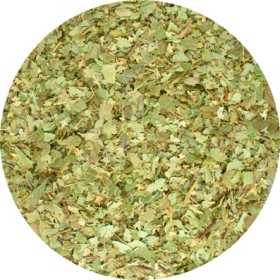
Birch - Betula pendula Roth, Betulae (Leaf Cut)
The birch (Betula) is a tree that has held a special place in European cultures and traditions for centuries. Historically, the birch was sometimes seen as a symbolic or even sacred tree, partly due to its role in seasonal rituals and folk customs.
In early spring, just before the tree begins to bud, birch sap can be tapped. This time coincides with the period when the sap flow is most active. Young birch leaves are also traditionally collected during this phase. Both the sap and the leaves are part of ancient customs and have long been described in botanical and herbal sources.
Birch leaves naturally contain various plant compounds, including flavonoids, saponins, and tannins.
In early spring, just before the tree begins to bud, birch sap can be tapped. This time coincides with the period when the sap flow is most active. Young birch leaves are also traditionally collected during this phase. Both the sap and the leaves are part of ancient customs and have long been described in botanical and herbal sources.
Birch leaves naturally contain various plant compounds, including flavonoids, saponins, and tannins.
€2.10
From: €2.10
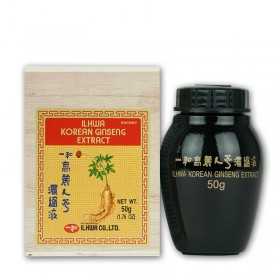
ILHWA GINST15 Korean Red Ginseng Extract
This product contains Panax Ginseng root extract with GINST15 , a fermented extract that enhances the availability of ginsenosides.
Panax Ginseng is a slow-growing plant with a robust root and has a long history in traditional Chinese herbal medicine. It is valued worldwide as a component of food and supplements for its unique ginsenoside composition.
GINST15 is a fermented ginseng extract that distinguishes itself from other ginseng varieties, such as Siberian Ginseng, Indian Ginseng (Ashwagandha), and Brazilian Ginseng (Suma). Only Panax Ginseng contains the specific ginsenosides that characterize this extract.
Panax Ginseng is a slow-growing plant with a robust root and has a long history in traditional Chinese herbal medicine. It is valued worldwide as a component of food and supplements for its unique ginsenoside composition.
GINST15 is a fermented ginseng extract that distinguishes itself from other ginseng varieties, such as Siberian Ginseng, Indian Ginseng (Ashwagandha), and Brazilian Ginseng (Suma). Only Panax Ginseng contains the specific ginsenosides that characterize this extract.
€61.46
€81.95
From: €61.46
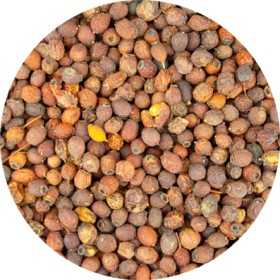
Hawthorn berry - Crataegus monogyna (Crataegus oxycantha)
The two-styled hawthorn (Crataegus laevigata) is a thorny shrub or small tree native to much of Europe. In spring, it blooms with white flowers, while in autumn it produces dark red, spherical or egg-shaped berries, also known as "whitebeans."
The leaves, flowers, and berries of the hawthorn naturally contain a rich composition of plant compounds, including flavonoids, procyanidins, vitamin C, tannins, and glycosides. Because of this composition, hawthorn is traditionally used in various herbal products and supplements.
The leaves, flowers, and berries of the hawthorn naturally contain a rich composition of plant compounds, including flavonoids, procyanidins, vitamin C, tannins, and glycosides. Because of this composition, hawthorn is traditionally used in various herbal products and supplements.
€2.00
From: €2.00
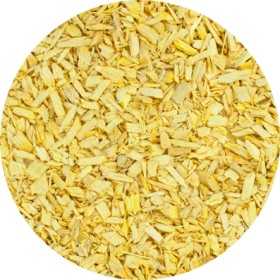
Quassia - Quassiae - Cut
Bitterwood, known in Suriname as kwasibita, is the heartwood of Quassia amara, a plant species in the Quassia genus, belonging to the Simaroubaceae family. The plant is native to tropical South America.
Quassia amara is a small, evergreen shrub found in regions including the Guyanas, northern Brazil, and Venezuela. The plant grows primarily in the rainforest understory. Its striking bright red flowers, which are primarily pollinated by hummingbirds, are a striking feature. Because of these decorative flowers, the plant is also cultivated outside its natural habitat as an ornamental.
Quassia amara is a small, evergreen shrub found in regions including the Guyanas, northern Brazil, and Venezuela. The plant grows primarily in the rainforest understory. Its striking bright red flowers, which are primarily pollinated by hummingbirds, are a striking feature. Because of these decorative flowers, the plant is also cultivated outside its natural habitat as an ornamental.
€2.40
From: €2.40
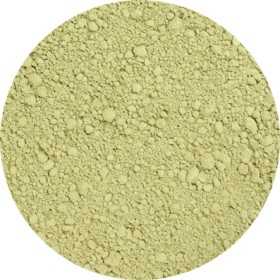
Algae (Clubweed) - Ascophyllum nodosum
Ascophyllum nodosum, better known as clubweed, is a type of brown algae characterized by the presence of small blisters with slimy contents on the stems, in which the reproductive organs are located. These stems also contain large, gas-filled tubercles that help the plant stand upright under water. Knotweed varies in color from olive green to golden brown. The thallus can reach a length of 30 to 60 cm and is flexible, so that it can sway with the powerful movements of the water.
€2.00
From: €2.00
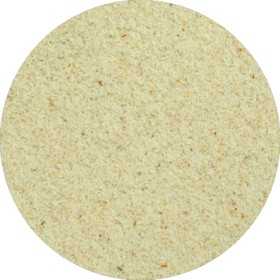
Psyllium husks (Premium Psyllium Fiber) - Psylli flavum Testa
Psyllium husk comes from the seeds of the Plantago psyllium plant. These seeds are largely fiber-rich and are often used as an ingredient in nutritional products and supplements. Psyllium contains both soluble and insoluble fiber.
The seed consists of over 80% fiber, of which approximately 70% is soluble and 30% is insoluble. When psyllium husk comes into contact with water, it forms a gel-like substance that can absorb a significant amount of fluid. Therefore, it is important to drink plenty of water when using psyllium.
Because of these properties, psyllium is often used in products intended to supplement daily fiber intake.
The seed consists of over 80% fiber, of which approximately 70% is soluble and 30% is insoluble. When psyllium husk comes into contact with water, it forms a gel-like substance that can absorb a significant amount of fluid. Therefore, it is important to drink plenty of water when using psyllium.
Because of these properties, psyllium is often used in products intended to supplement daily fiber intake.
€2.80
From: €2.80
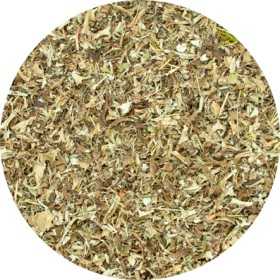
Iceland moss - Cetraria islandicus
Iceland moss (Cetraria islandica), also known by the basic name Lichen islandicus, is a shrubby lichen belonging to the Parmeliaceae family (shell mosses). The species is native to cold and mountainous regions and is extremely rare in the Netherlands. For this reason, Iceland moss is listed on the Dutch Red List as critically endangered.
Iceland moss has a long cultural and historical background. Botanical and historical sources from the 17th century describe the lichen as part of the botanical knowledge of the time. During that period, the lichen was collected whole and used in traditional practices. These uses are part of historical and folklore.
Iceland moss has a long cultural and historical background. Botanical and historical sources from the 17th century describe the lichen as part of the botanical knowledge of the time. During that period, the lichen was collected whole and used in traditional practices. These uses are part of historical and folklore.
€3.00
From: €3.00
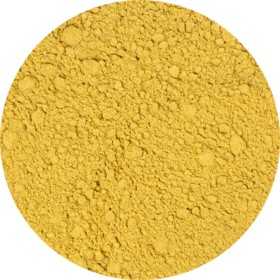
Ginger - Zingiberis Thiz. Mund. officinalis
Ginger comes from the root of the ginger plant (Zingiber officinale) and is used worldwide as a spice for its characteristic flavor. The root contains natural compounds such as gingerol, shogaol, and zingiberene, which contribute to ginger's characteristic aromas and flavors.
Ginger is a versatile plant used in cuisines around the world, both fresh and dried, and can be incorporated into teas, spice blends, or dishes.
Ginger is a versatile plant used in cuisines around the world, both fresh and dried, and can be incorporated into teas, spice blends, or dishes.
€2.40
From: €2.40

Joints Herbal Tea
Herbal tea composed of various herbs
€3.95