


Trending
€57.50
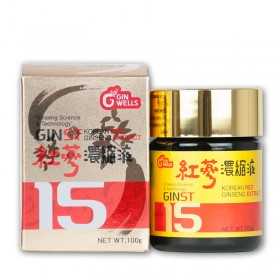
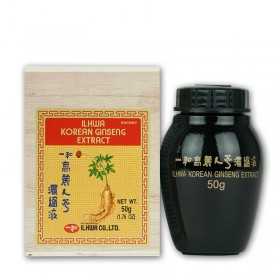
ILHWA GINST15 Korean Red Ginseng Extract
€61.46 €81.95 -25%

€62.50

€26.63 €35.50 -25%

€62.50
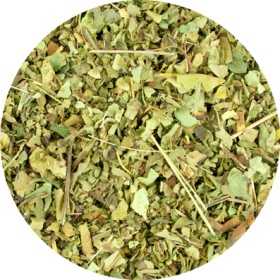
Lungwort - Pulmonaria officinalis
€5.91 €6.95 -15%
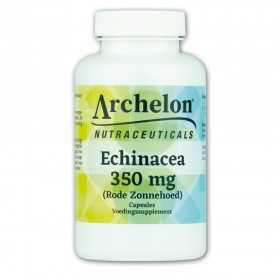
Echinacea (Red Coneflower) - 350 mg
€15.96 €19.95 -20%

€72.50

€54.95
€40.13 €53.50 -25%
Latest Blog

Best sellers
There are 394 products.
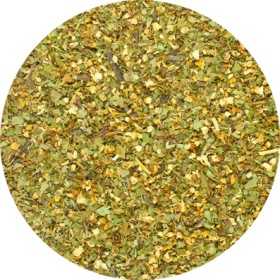
Hawthorn (Leaf & Flower) Cut - Crataegus laevigata, Crataegi
The two-styled hawthorn (Crataegus laevigata) is a thorny shrub or small tree native to much of Europe. In spring, it blooms with white flowers, while in autumn it produces dark red, spherical or egg-shaped berries, also known as "whitebeans."
The leaves, flowers, and berries of the hawthorn naturally contain a rich composition of plant compounds, including flavonoids, procyanidins, vitamin C, tannins, and glycosides. Because of this composition, hawthorn is traditionally used in various herbal products and supplements.
The leaves, flowers, and berries of the hawthorn naturally contain a rich composition of plant compounds, including flavonoids, procyanidins, vitamin C, tannins, and glycosides. Because of this composition, hawthorn is traditionally used in various herbal products and supplements.
€2.50
From: €2.50
Cat's Claw - Uncaria tomentosa - Cut
Cat's claw (Uncaria tomentosa), also known as cat's claw, is a climbing plant native to the Amazon region of Brazil and Peru, among other places. The plant grows in rainforests and can cling to trees with its characteristic, claw-shaped thorns. These thorns, located at the base of the leaves, give the plant its name and enable it to climb to great heights.
In the Peruvian Amazon, cat's claw has special cultural significance and is considered part of traditional plant knowledge. Due to its origins and ecological importance, the species is a protected plant in certain regions.
In the Peruvian Amazon, cat's claw has special cultural significance and is considered part of traditional plant knowledge. Due to its origins and ecological importance, the species is a protected plant in certain regions.
€2.20
From: €2.20
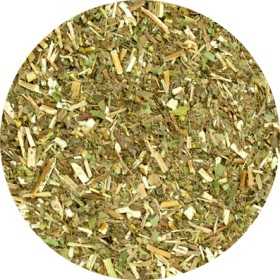
Goldenrod - Solidago virgaurea - Cut
Goldenrod (Solidago virgaurea), also known as goldenrod, is a native plant traditionally found in Europe and Asia. The plant is striking for its golden-yellow blooms and was once a familiar part of traditional Dutch herb gardens.
Historically, goldenrod flowers were widely harvested, dried, and ground. These were used, among other things, as a natural raw material for making yellow dyes. The plant is frequently mentioned in historical and botanical sources for its striking appearance and wide use in craft and cultural traditions.
Today, goldenrod is primarily valued for its botanical characteristics and its role in European plant history.
Historically, goldenrod flowers were widely harvested, dried, and ground. These were used, among other things, as a natural raw material for making yellow dyes. The plant is frequently mentioned in historical and botanical sources for its striking appearance and wide use in craft and cultural traditions.
Today, goldenrod is primarily valued for its botanical characteristics and its role in European plant history.
€2.00
From: €2.00
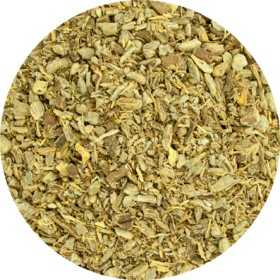
Echinacea (Coneflower) (Root) - Echinaceae purp.
The purple coneflower (Echinacea purpurea) is a perennial plant belonging to the Asteraceae family. The genus name Echinacea is derived from the Greek word echinos, meaning "hedgehog," and refers to the spiky flower cone that characterizes this plant.
Echinacea purpurea is native to North America and is now cultivated worldwide. The plant has striking purplish-pink flowers and is valued for its ornamental appearance and botanical properties. Since the early twentieth century, there has been considerable interest in this species in Europe, leading to extensive botanical and historical research.
Echinacea purpurea is native to North America and is now cultivated worldwide. The plant has striking purplish-pink flowers and is valued for its ornamental appearance and botanical properties. Since the early twentieth century, there has been considerable interest in this species in Europe, leading to extensive botanical and historical research.
€3.00
From: €3.00
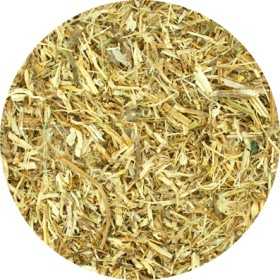
Nettle (Root) - Urticae dioica
Nettle (Urtica dioica) is a herbaceous plant found in many places and known for its stinging hairs when touched. Despite this characteristic, the plant has long been valued and used in various cultures. Nettle is used in culinary preparations such as soup and herbal tea.
The plant is native to large parts of Europe, Asia, and Africa. The Latin name Urtica dioica refers to the plant's stinging properties. Historical and botanical sources describe both the leaves and the roots as being traditionally collected and processed.
Both nettle leaf and root hold a firm place in herbal tradition. Due to their natural composition and long history, these parts of the plant have been mentioned for centuries in ethnobotanical and historical accounts.
The plant is native to large parts of Europe, Asia, and Africa. The Latin name Urtica dioica refers to the plant's stinging properties. Historical and botanical sources describe both the leaves and the roots as being traditionally collected and processed.
Both nettle leaf and root hold a firm place in herbal tradition. Due to their natural composition and long history, these parts of the plant have been mentioned for centuries in ethnobotanical and historical accounts.
€2.20
From: €2.20

Sleep Tight Herbal Tea
Herbal tea composed of various herbs
Nice before going to sleep
Nice before going to sleep
€3.95
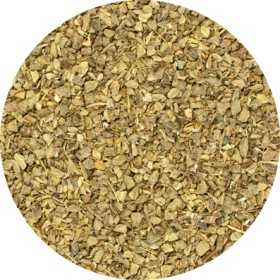
Elecampane - Inula helenium
The Elecampane (Inula helenium) is a perennial plant that belongs to the composite family (Compositae or Asteraceae). This plant is naturally found in Western and Central Asia and has been known for its culinary and medicinal uses since ancient times.
The ancient Greeks called the plant helenion, which means "the radiant, the splendid." This name is related to hèlios, which means "sun". There are several myths surrounding the naming. The Romans adopted the Greek name and called the plant inula. When Linnaeus introduced the scientific Latin name Inula helenium in 1753, he combined the Roman genus name with the Greek specific name.
The ancient Greeks called the plant helenion, which means "the radiant, the splendid." This name is related to hèlios, which means "sun". There are several myths surrounding the naming. The Romans adopted the Greek name and called the plant inula. When Linnaeus introduced the scientific Latin name Inula helenium in 1753, he combined the Roman genus name with the Greek specific name.
€2.20
From: €2.20

Throat-Airway Herbal Tea
Herbal tea composed of various herbs.
€3.95

Flu/Immune Herbal Tea
Herbal tea composed of various herbs
€3.95
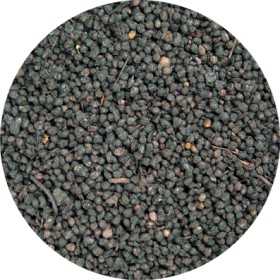
Elder - Sambuci nigri
The elderberry (Sambucus nigra L.) is a native tree or shrub that grows widely in the Netherlands. It grows in a variety of locations, such as along roads, in forest edges, and in gardens.
At the end of May, the elderberry blooms with large umbels of small, creamy-white flowers that exude a sweet, floral fragrance. These blossoms are traditionally used to make elderflower liqueur, syrup, and pancakes, among other things.
The flowers contain various natural plant compounds, including flavonoids such as rutin, quercetin, and astragalin. They also contain tannins, triterpenes, fatty acids, and essential oils.
At the end of May, the elderberry blooms with large umbels of small, creamy-white flowers that exude a sweet, floral fragrance. These blossoms are traditionally used to make elderflower liqueur, syrup, and pancakes, among other things.
The flowers contain various natural plant compounds, including flavonoids such as rutin, quercetin, and astragalin. They also contain tannins, triterpenes, fatty acids, and essential oils.
€3.00
From: €3.00
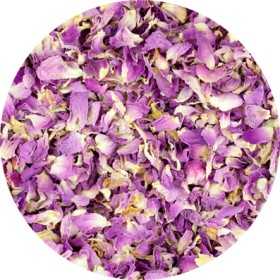
Rose - Rosae damascena
Rosae damascena, also known as the damask rose, is a versatile flower with many names, including the Iranian rose, Bulgarian rose, Taif rose, Ispahan rose and Castile rose.
These flowers are known for their delicate fragrance and are grown commercially for rose oil, both "rose otto" and "rose absolute", which is widely used in perfumery. They are also used to make rose water and "rose concrete". The petals are even edible and are used to flavor dishes, as a garnish, to make herbal tea and to preserve gulkand in sugar. Moreover, the damask rose is the national flower of Iran.
These flowers are known for their delicate fragrance and are grown commercially for rose oil, both "rose otto" and "rose absolute", which is widely used in perfumery. They are also used to make rose water and "rose concrete". The petals are even edible and are used to flavor dishes, as a garnish, to make herbal tea and to preserve gulkand in sugar. Moreover, the damask rose is the national flower of Iran.
€12.50
From: €12.50
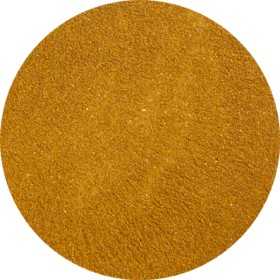
Clove - Syzygium aromaticum
Cloves are the dried flower buds of the clove tree (Syzygium aromaticum), an evergreen tree native to the Moluccas. The flower buds are harvested before they fully open and then dried. This drying process gives them their characteristic dark color and intensely aromatic scent.
The spice is characterized by its strong flavor and warm, spicy aroma. These properties are primarily due to the presence of essential oils, of which eugenol is the most important component. Eugenol largely determines the scent and flavor profile of cloves and contributes to the stability of the product.
The spice is characterized by its strong flavor and warm, spicy aroma. These properties are primarily due to the presence of essential oils, of which eugenol is the most important component. Eugenol largely determines the scent and flavor profile of cloves and contributes to the stability of the product.
€3.10
From: €3.10
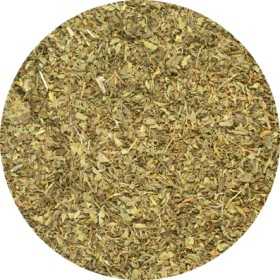
Spearmint - Mentha spicata
Spearmint, also known as green mint (Mentha spicata), is an aromatic perennial plant from the Lamiaceae family. This plant originally comes from Central and Southern Europe, where it regularly establishes itself as a feral plant. Peppermint (Mentha ×piperata), a commonly used variety in food and care products, originated from a cross between spearmint and water mint (Mentha aquatica).
The leaves of spearmint contain a wealth of essential oils, with carvone being the most important. This component is also found in caraway, which gives the mint its characteristic scent. However, the leaves contain little menthol, which makes the taste milder than that of peppermint.
The leaves of spearmint contain a wealth of essential oils, with carvone being the most important. This component is also found in caraway, which gives the mint its characteristic scent. However, the leaves contain little menthol, which makes the taste milder than that of peppermint.
€2.00
From: €2.00
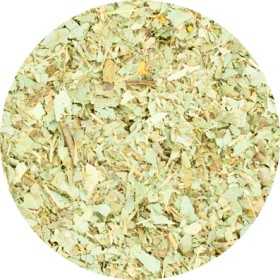
Eucalyptus - Eucalypti globulus
Eucalyptus belongs to the myrtle family (Myrtaceae) and is native to Australia and adjacent areas. A few specimens were brought to Europe by Joseph Banks during Captain Cook's expedition.
In Europe, eucalyptus is primarily planted in the Mediterranean region. Some species can also grow on the west coast of England and Scotland, although only a few are winter-hardy.
Early oil is extracted from the leaves of several eucalyptus species. The best-known species for this purpose are Eucalyptus globulus and Eucalyptus odorata.
In Europe, eucalyptus is primarily planted in the Mediterranean region. Some species can also grow on the west coast of England and Scotland, although only a few are winter-hardy.
Early oil is extracted from the leaves of several eucalyptus species. The best-known species for this purpose are Eucalyptus globulus and Eucalyptus odorata.
€2.00
From: €2.00
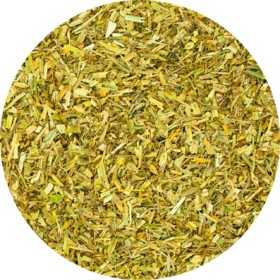
Pansy, Herb trinit Herb - Viola tricolor - Cut
The pansy (Viola tricolor), also known as the wild violet, is an ornamental plant that has been part of European botanical knowledge for centuries. The tricolor violet belongs to the pansy family (Violaceae) and is native to Europe, from Lapland to the Mediterranean, and even to Siberia.
This plant, which is annual but can sometimes be perennial, grows to a height of 30 cm and has roots that can reach depths of up to 45 cm. Its flowering period extends from May to October. The flowers are at least 1 cm wide, but usually larger, with an average diameter of 1.5 cm. The plant was first described by the renowned botanist Rembert Dodoens in 1554.
This plant, which is annual but can sometimes be perennial, grows to a height of 30 cm and has roots that can reach depths of up to 45 cm. Its flowering period extends from May to October. The flowers are at least 1 cm wide, but usually larger, with an average diameter of 1.5 cm. The plant was first described by the renowned botanist Rembert Dodoens in 1554.
€2.00
From: €2.00
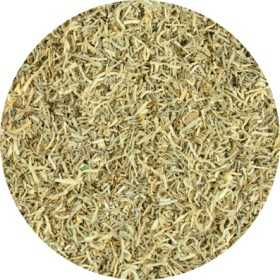
Old Men's Beard - Usnea barbata
Usnea barbata, sometimes also called 'old man's beard', is a genus of lichens belonging to the ascomycetes. They are found in moist forests around the world, where they usually hang from tree branches. In rare cases they are also found on the bottom or on rocks. The genus belongs to the family of Parmeliaceae. Beard mosses are characterized by a shrub-like structure and a central axis from which branches arise. In areas free of air pollution they can grow 10 to 20 cm tall.
€5.50
From: €5.50
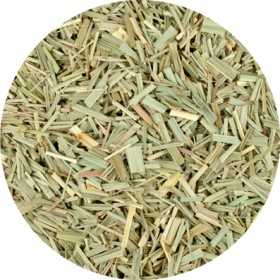
Lemongrass - Cymbopogon citratus
Lemongrass, also known as sereh (Cymbopogon citratus), belongs to the grass family (Poaceae). This plant is widely used in Asian cuisine, especially in dishes from Thailand, India, Vietnam and Indonesia. Lemongrass thrives in several regions, including India, Africa, Vietnam, Australia and America. In Indonesia it is known as sereh, and this name is also often used in the Netherlands.
The leaves of the lemongrass plant are the culinary stars. They have a refreshing, lemony taste and are not consumed raw. Pieces of lemongrass are often added to dishes during cooking or stewing, after which they are removed before serving.
The leaves of the lemongrass plant are the culinary stars. They have a refreshing, lemony taste and are not consumed raw. Pieces of lemongrass are often added to dishes during cooking or stewing, after which they are removed before serving.
€2.00
From: €2.00
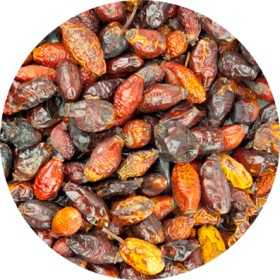
Dogrose - Rosa canina
The dog rose (Rosa canina) is a native rose species in the Benelux region and is native to Europe, Northwest Africa, and West Asia. It was later introduced to North America. The plant often grows along forest edges, hedgerows, and thickets.
It is a large, upright shrub that can reach a height of approximately 1 to 4 meters. The long, arching branches can partially arch. The glandless leaves and branches are green and sometimes have a reddish tinge.
Flowering occurs from June to July. The flowers are usually light pink, sometimes white, and are approximately 3.5 to 4.5 centimeters in diameter. They appear singly or in small clusters of one to ten flowers.
It is a large, upright shrub that can reach a height of approximately 1 to 4 meters. The long, arching branches can partially arch. The glandless leaves and branches are green and sometimes have a reddish tinge.
Flowering occurs from June to July. The flowers are usually light pink, sometimes white, and are approximately 3.5 to 4.5 centimeters in diameter. They appear singly or in small clusters of one to ten flowers.
€2.00
From: €2.00
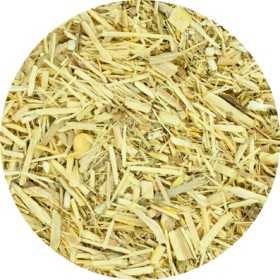
Eleutherococcus (Siberian Ginseng) - Eleutherococcus - Cut
Siberian ginseng (Eleutherococcus senticosus) is a shrubby plant native to parts of Russia, China, Korea, and Japan. The plant belongs to the Araliaceae family and is botanically related to, but distinct from, the better-known Panax species such as Korean ginseng (Panax ginseng) and American ginseng (Panax quinquefolius).
The roots of Siberian ginseng have long been mentioned in East Asian and Russian botanical literature. These historical and cultural sources describe the plant as part of traditional practices. This long history of use has also led to Siberian ginseng becoming known beyond its native range.
The roots of Siberian ginseng have long been mentioned in East Asian and Russian botanical literature. These historical and cultural sources describe the plant as part of traditional practices. This long history of use has also led to Siberian ginseng becoming known beyond its native range.
€2.20
From: €2.20
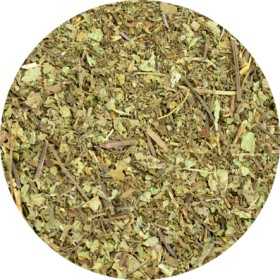
Kumis Kutjing - Cat's whiskers - Orthosiphon aristatus - Cut
Cat's whiskers (Orthosiphon aristatus), also known as Kumis Kutjing, is a plant traditionally used in various Asian herbal traditions. The species belongs to the Lamiaceae family and is native to tropical and subtropical regions, particularly Southeast Asia, including Malaysia and Java.
The plant prefers moist habitats, such as wetlands, riverbanks, and swampy areas. Cat's whiskers are particularly recognizable by their white to pale lilac flowers with conspicuously long, thread-like stamens that can grow up to approximately three centimeters long. These characteristics have led to the Dutch name "kattensnor" (cat's whiskers).
The plant prefers moist habitats, such as wetlands, riverbanks, and swampy areas. Cat's whiskers are particularly recognizable by their white to pale lilac flowers with conspicuously long, thread-like stamens that can grow up to approximately three centimeters long. These characteristics have led to the Dutch name "kattensnor" (cat's whiskers).
€4.50
From: €4.50
ILHWA Korean Ginseng Capsules
These capsules contain 100% pure, high-quality Panax Ginseng root powder, produced using a special ILHWA process that preserves the root's key active ingredients, ginsenosides. The capsules are easy to swallow.
Panax Ginseng is a slow-growing plant with a robust root and has been used in traditional Chinese medicine for thousands of years. The name Panax is derived from the Greek word "panacea," meaning "all-healer." Panax Ginseng root contains unique substances not found in other plants called "ginseng," such as Siberian Ginseng, Prince Ginseng, Ashwagandha, and Brazilian Ginseng.
Panax Ginseng is a slow-growing plant with a robust root and has been used in traditional Chinese medicine for thousands of years. The name Panax is derived from the Greek word "panacea," meaning "all-healer." Panax Ginseng root contains unique substances not found in other plants called "ginseng," such as Siberian Ginseng, Prince Ginseng, Ashwagandha, and Brazilian Ginseng.
€26.63
€35.50
From: €26.63
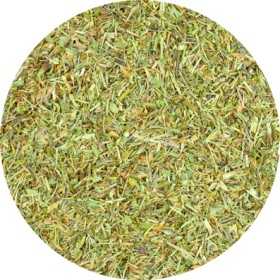
Eyebright - Euphrasia officinalis
The Eyebright (Euphrasia officinalis) belongs to the broomrape family (Orobanchaceae) and mainly thrives in France, with the exception of the Mediterranean region. This plant can also be found in other parts of Europe, such as Germany, Austria and Scotland.
The Eyebright is an annual plant that usually grows between 10 and 25 cm high and is covered with numerous long glandular hairs. From May to September the plant blooms with white flowers that often have a light purple upper lip and a yellow spot on the lower lip.
The Eyebright is an annual plant that usually grows between 10 and 25 cm high and is covered with numerous long glandular hairs. From May to September the plant blooms with white flowers that often have a light purple upper lip and a yellow spot on the lower lip.
€5.00
From: €5.00
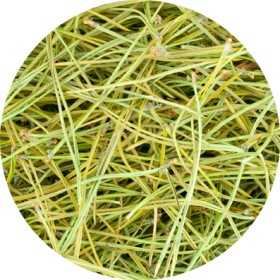
Pine (Needles) - Pinus silvestris
The Scots pine (Pinus sylvestris) belongs to the pine family (Pinaceae) and can reach an age of 200 to 300 years. This tree is known for its rich resin content and characteristic pine scent.
The needles and buds of the Scots pine contain natural compounds such as tannins, flavonoids, and vitamins. The tree's resin contains turpentine and a large number of monoterpenes, including α-pinene, β-pinene, and limonene, which are components of the tree's essential oil.
Scots pine is traditionally used in various applications, such as in aromatic products and in the production of pine oil. Both needles and buds are used in some traditional preparations for their fragrance and flavor.
The needles and buds of the Scots pine contain natural compounds such as tannins, flavonoids, and vitamins. The tree's resin contains turpentine and a large number of monoterpenes, including α-pinene, β-pinene, and limonene, which are components of the tree's essential oil.
Scots pine is traditionally used in various applications, such as in aromatic products and in the production of pine oil. Both needles and buds are used in some traditional preparations for their fragrance and flavor.
€2.00
From: €2.00
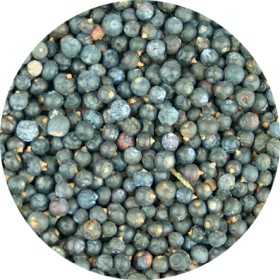
Juniper Berries - Juniper communis - Whole
The juniper (Juniperus communis) is a conifer native to Europe, Asia, and North America. The plant bears both flowers and berries, which vary in color from green to black as they ripen. The name Juniperus derives from the Celtic word juneprus, meaning rough, prickly, or bitter, while communis means "common."
The black berries of the juniper have a characteristically bitter and aromatic flavor. It takes about three years for the berries to fully ripen: in the first year, the flowers appear, in the second year they turn green, and in the third year they turn blue and then black or dark purple.
The black berries of the juniper have a characteristically bitter and aromatic flavor. It takes about three years for the berries to fully ripen: in the first year, the flowers appear, in the second year they turn green, and in the third year they turn blue and then black or dark purple.
€2.30
From: €2.30