


Trending
€57.50
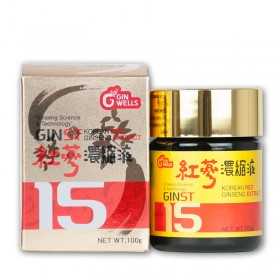
ILHWA GINST15 Korean Red Ginseng Extract
€61.46 €81.95 -25%
€62.50
€26.63 €35.50 -25%

€62.50
Lungwort - Pulmonaria officinalis
€5.91 €6.95 -15%
Echinacea (Red Coneflower) - 350 mg
€15.96 €19.95 -20%
€72.50

€54.95
€40.13 €53.50 -25%
Prices drop
There are 17 products.
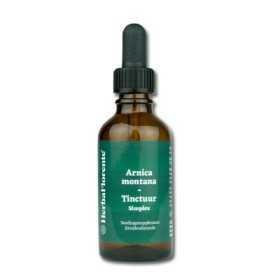
Arnica Tincture - Arnica montana Tincture
Single herbal tincture made with dried flower of Arnica montana (Arnica).
Arnica montana, also known as arnica montana, is a perennial plant belonging to the Asteraceae family. This plant is native to mountainous regions such as the Alps, the Pyrenees, and the Balkans, as well as southern Scandinavia. It can also be found in the eastern Netherlands and the Belgian Ardennes.
The plant grows to a height of approximately 20 to 45 centimeters and has a sparsely branched stem. The leaves are opposite and 2 to 4 centimeters wide. The lower leaves are elliptical to obovate-lanceolate, while the upper pair of leaves has a more linear-lanceolate shape.
Arnica montana, also known as arnica montana, is a perennial plant belonging to the Asteraceae family. This plant is native to mountainous regions such as the Alps, the Pyrenees, and the Balkans, as well as southern Scandinavia. It can also be found in the eastern Netherlands and the Belgian Ardennes.
The plant grows to a height of approximately 20 to 45 centimeters and has a sparsely branched stem. The leaves are opposite and 2 to 4 centimeters wide. The lower leaves are elliptical to obovate-lanceolate, while the upper pair of leaves has a more linear-lanceolate shape.
€27.86
€30.95

Astragalus - 400 mg
Astragalus (Astragalus membranaceus), also known as fleshy pod, is a plant native to Asia. Astragalus roots have been used in traditional Chinese herbal medicine for centuries. The plant is known for its characteristic pods and root structure. Astragalus is available in various forms, including dried root, powder, and capsules, and is widely used in herbal formulas and dietary supplements.
€15.96
€19.95
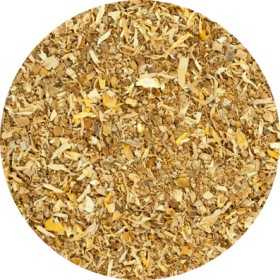
Birch - Butla alba, Betulae (Bark Cut)
The birch (Betula) is a tree that has held a special place in European cultures and traditions for centuries. Historically, the birch was sometimes seen as a symbolic or even sacred tree, partly due to its role in seasonal rituals and folk customs.
In early spring, just before the tree begins to bud, birch sap can be tapped. This time coincides with the period when the sap flow is most active. Young birch leaves are also traditionally collected during this phase. Both the sap and the leaves are part of ancient customs and have long been described in botanical and herbal sources.
Birch leaves naturally contain various plant compounds, including flavonoids, saponins, and tannins.
In early spring, just before the tree begins to bud, birch sap can be tapped. This time coincides with the period when the sap flow is most active. Young birch leaves are also traditionally collected during this phase. Both the sap and the leaves are part of ancient customs and have long been described in botanical and herbal sources.
Birch leaves naturally contain various plant compounds, including flavonoids, saponins, and tannins.
€1.80
€2.00
From: €1.80
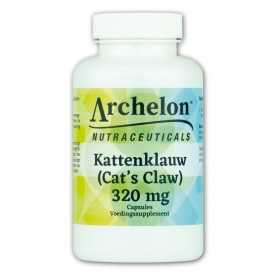
Cat’s Claw - 320 mg
Cat's claw (Uncaria tomentosa) is a woody vine native to the Amazon region of Peru, Brazil, and other parts of the world. The plant grows in tropical rainforests and can cling to trees with small, hooked thorns. These thorns, which resemble cat claws, give the plant its name. Cat's claw can reach great heights and is part of the rainforest's rich biodiversity.
Among indigenous cultures in the Amazon region, the bark and root of Uncaria tomentosa have been used for centuries in traditional herbal preparations. The plant is considered culturally valuable there and is protected in some regions.
Among indigenous cultures in the Amazon region, the bark and root of Uncaria tomentosa have been used for centuries in traditional herbal preparations. The plant is considered culturally valuable there and is protected in some regions.
€14.96
€19.95
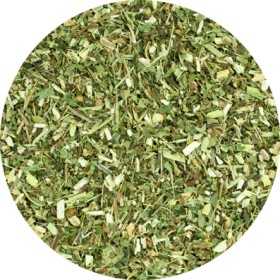
Echinacea (Coneflower) (Herb) - Echinaceae purp.
The purple coneflower (Echinacea purpurea) is a perennial plant belonging to the Asteraceae family. The genus name Echinacea is derived from the Greek word echinos, meaning "hedgehog," and refers to the spiky flower cone that characterizes this plant.
Echinacea purpurea is native to North America and is now cultivated worldwide. The plant has striking purplish-pink flowers and is valued for its ornamental appearance and botanical properties. Since the early twentieth century, there has been considerable interest in this species in Europe, leading to extensive botanical and historical research.
Echinacea purpurea is native to North America and is now cultivated worldwide. The plant has striking purplish-pink flowers and is valued for its ornamental appearance and botanical properties. Since the early twentieth century, there has been considerable interest in this species in Europe, leading to extensive botanical and historical research.
€1.80
€2.00
From: €1.80
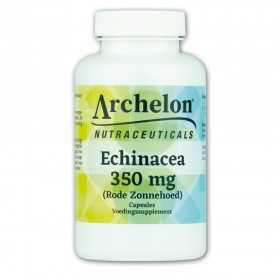
Echinacea (Red Coneflower) - 350 mg
Purple coneflower is a perennial plant native to North America and cultivated worldwide. The Latin name Echinacea refers to the Greek word echinos, meaning "hedgehog," because of its spiky flower cone. Indigenous tribes used the plant traditionally, and knowledge about it was later adopted by colonists. Today, Echinacea purpurea is often used in supplements and herbal preparations.
€15.96
€19.95
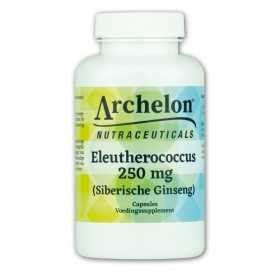
Eleutherococcus (Siberian Ginseng) - 250 mg
Siberian ginseng is a perennial plant native to Russia, Japan, Korea, and China. The roots of the plant have been used in traditional herbal medicine for centuries. Siberian ginseng is often used in supplements and herbal preparations. It is important not to confuse this species with Korean ginseng (Panax ginseng) or American ginseng (Panax quinquefolius), as they are different plants.
€14.36
€17.95
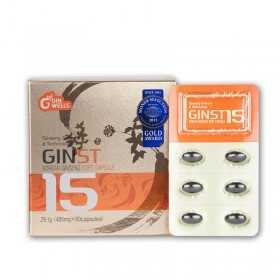
ILHWA GINST15 Korean Ginseng Soft Capsules - 60 caps
These soft capsules contain hydrolyzed ginseng extract (GINST15) and are easy to swallow, ideal for those who prefer to avoid the taste or smell of Panax Ginseng. The capsules are packaged in blister packs of six, making them easy to carry.
Panax Ginseng is a slow-growing plant with a sturdy root that has been part of traditional Chinese medicine for thousands of years. The name Panax comes from the Greek "panacea," meaning "all-healer." Only true Panax Ginseng contains unique substances, ginsenosides. Other plants with "ginseng" in their name, such as Siberian ginseng, Ashwagandha, or Brazilian ginseng, do not contain these specific substances.
Panax Ginseng is a slow-growing plant with a sturdy root that has been part of traditional Chinese medicine for thousands of years. The name Panax comes from the Greek "panacea," meaning "all-healer." Only true Panax Ginseng contains unique substances, ginsenosides. Other plants with "ginseng" in their name, such as Siberian ginseng, Ashwagandha, or Brazilian ginseng, do not contain these specific substances.
€44.21
€58.95
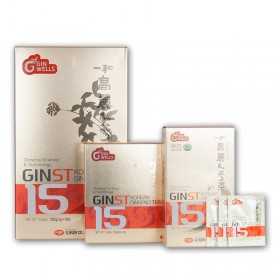
ILHWA GINST15 Korean Ginseng Tea
Experience the taste of Panax Ginseng with our ginseng tea, made with hydrolyzed GINST15 extract.
GINST15 tea is made with granulated ginseng and hydrolyzed extract, which preserves the ginsenosides in the tea. Panax Ginseng is a slow-growing root plant that has been used for centuries in traditional Chinese herbal medicine and is known worldwide for its unique ginsenoside composition.
GINST15 tea is made with granulated ginseng and hydrolyzed extract, which preserves the ginsenosides in the tea. Panax Ginseng is a slow-growing root plant that has been used for centuries in traditional Chinese herbal medicine and is known worldwide for its unique ginsenoside composition.
€25.13
€33.50
From: €25.13
ILHWA GINST15 Korean Red Ginseng Extract
This product contains Panax Ginseng root extract with GINST15 , a fermented extract that enhances the availability of ginsenosides.
Panax Ginseng is a slow-growing plant with a robust root and has a long history in traditional Chinese herbal medicine. It is valued worldwide as a component of food and supplements for its unique ginsenoside composition.
GINST15 is a fermented ginseng extract that distinguishes itself from other ginseng varieties, such as Siberian Ginseng, Indian Ginseng (Ashwagandha), and Brazilian Ginseng (Suma). Only Panax Ginseng contains the specific ginsenosides that characterize this extract.
Panax Ginseng is a slow-growing plant with a robust root and has a long history in traditional Chinese herbal medicine. It is valued worldwide as a component of food and supplements for its unique ginsenoside composition.
GINST15 is a fermented ginseng extract that distinguishes itself from other ginseng varieties, such as Siberian Ginseng, Indian Ginseng (Ashwagandha), and Brazilian Ginseng (Suma). Only Panax Ginseng contains the specific ginsenosides that characterize this extract.
€61.46
€81.95
From: €61.46
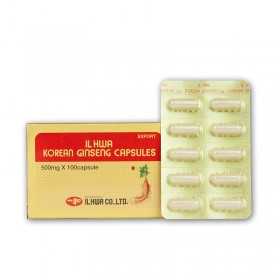
ILHWA Korean Ginseng Capsules
These capsules contain 100% pure, high-quality Panax Ginseng root powder, produced using a special ILHWA process that preserves the root's key active ingredients, ginsenosides. The capsules are easy to swallow.
Panax Ginseng is a slow-growing plant with a robust root and has been used in traditional Chinese medicine for thousands of years. The name Panax is derived from the Greek word "panacea," meaning "all-healer." Panax Ginseng root contains unique substances not found in other plants called "ginseng," such as Siberian Ginseng, Prince Ginseng, Ashwagandha, and Brazilian Ginseng.
Panax Ginseng is a slow-growing plant with a robust root and has been used in traditional Chinese medicine for thousands of years. The name Panax is derived from the Greek word "panacea," meaning "all-healer." Panax Ginseng root contains unique substances not found in other plants called "ginseng," such as Siberian Ginseng, Prince Ginseng, Ashwagandha, and Brazilian Ginseng.
€26.63
€35.50
From: €26.63
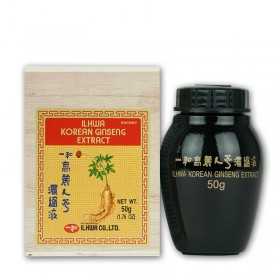
ILHWA Korean Ginseng Extract
This product contains 100% pure, concentrated Panax Ginseng root extract, with a high ginsenoside content. The extract is manufactured using a special low-temperature vacuum process developed by ILHWA, which preserves the essential components (read more “ILHWA Methods").
Panax Ginseng is a slow-growing plant with a robust root and has a long history in traditional Chinese medicine. It is recognized worldwide for its long-standing use in food and supplements.
Panax Ginseng is a slow-growing plant with a robust root and has a long history in traditional Chinese medicine. It is recognized worldwide for its long-standing use in food and supplements.
€40.13
€53.50
From: €40.13

Kelp - 500 mg
Kelp is a large seaweed belonging to the brown algae family (Laminariales) that grows in cold, nutrient-rich seas. This algae is found in the oceans of Asia, North America, and Europe, among other places. Kelp is known for its impressive growth rate and can grow several meters per day under favorable conditions, making it one of the largest plants in the world.
In countries like Japan, China, and Korea, kelp has been a traditional food for centuries. A well-known variety is kombu (Laminaria japonica), which is often used in soups, broths, and rice dishes. In addition to culinary uses, kelp is also processed into powders, capsules, and extracts.
In countries like Japan, China, and Korea, kelp has been a traditional food for centuries. A well-known variety is kombu (Laminaria japonica), which is often used in soups, broths, and rice dishes. In addition to culinary uses, kelp is also processed into powders, capsules, and extracts.
€13.46
€17.95
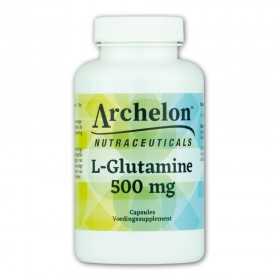
L-Glutamine - 500 mg
L-Glutamine is a semi-essential amino acid that occurs naturally in many foods and is an important building block of proteins. Amino acids like glutamine are organic compounds that form part of the structure of proteins in food and in the body. The "L" in L-Glutamine refers to the levorotatory form, which is most common in nature and in food sources.
€18.71
€24.95
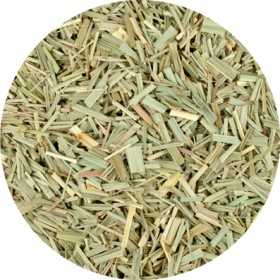
Lemongrass - Cymbopogon citratus
Lemongrass, also known as sereh (Cymbopogon citratus), belongs to the grass family (Poaceae). This plant is widely used in Asian cuisine, especially in dishes from Thailand, India, Vietnam and Indonesia. Lemongrass thrives in several regions, including India, Africa, Vietnam, Australia and America. In Indonesia it is known as sereh, and this name is also often used in the Netherlands.
The leaves of the lemongrass plant are the culinary stars. They have a refreshing, lemony taste and are not consumed raw. Pieces of lemongrass are often added to dishes during cooking or stewing, after which they are removed before serving.
The leaves of the lemongrass plant are the culinary stars. They have a refreshing, lemony taste and are not consumed raw. Pieces of lemongrass are often added to dishes during cooking or stewing, after which they are removed before serving.
€1.80
€2.00
From: €1.80
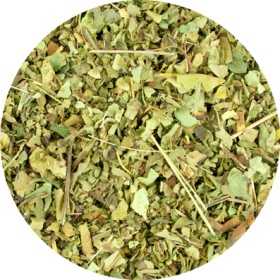
Lungwort - Pulmonaria officinalis
Lungwort belongs to the genus Pulmonaria within the borage family (Boraginaceae). The botanical name is derived from the Latin word pulmo, meaning "lung." This name refers to the striking leaf markings of some species, such as spotted lungwort, which were once compared to the appearance of human lungs.
This association played an important role in the theory of signatures, a traditional doctrine in which it was believed that a plant's appearance provided clues to its intended use. Based on this line of thought, lungwort was historically used for conditions associated with the lungs.
The Dutch name lungwort is derived directly from the botanical name. Similar names also appear in other Western European languages, indicating the plant's wide cultural and historical renown.
This association played an important role in the theory of signatures, a traditional doctrine in which it was believed that a plant's appearance provided clues to its intended use. Based on this line of thought, lungwort was historically used for conditions associated with the lungs.
The Dutch name lungwort is derived directly from the botanical name. Similar names also appear in other Western European languages, indicating the plant's wide cultural and historical renown.
€5.91
€6.95
From: €5.91
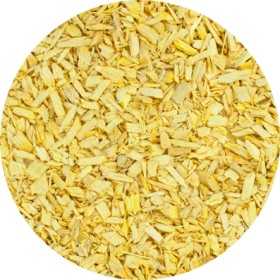
Quassia - Quassiae - Cut
Bitterwood, known in Suriname as kwasibita, is the heartwood of Quassia amara, a plant species in the Quassia genus, belonging to the Simaroubaceae family. The plant is native to tropical South America.
Quassia amara is a small, evergreen shrub found in regions including the Guyanas, northern Brazil, and Venezuela. The plant grows primarily in the rainforest understory. Its striking bright red flowers, which are primarily pollinated by hummingbirds, are a striking feature. Because of these decorative flowers, the plant is also cultivated outside its natural habitat as an ornamental.
Quassia amara is a small, evergreen shrub found in regions including the Guyanas, northern Brazil, and Venezuela. The plant grows primarily in the rainforest understory. Its striking bright red flowers, which are primarily pollinated by hummingbirds, are a striking feature. Because of these decorative flowers, the plant is also cultivated outside its natural habitat as an ornamental.
€2.16
€2.40
From: €2.16