


Trending
€57.50
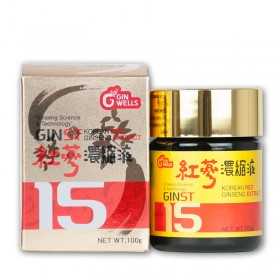
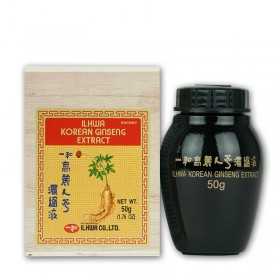
ILHWA GINST15 Korean Red Ginseng Extract
€61.46 €81.95 -25%
€62.50

€26.63 €35.50 -25%

€62.50
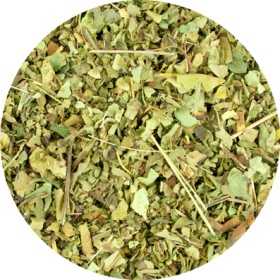
Lungwort - Pulmonaria officinalis
€5.91 €6.95 -15%
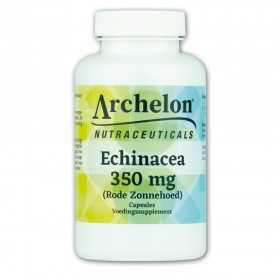
Echinacea (Red Coneflower) - 350 mg
€15.96 €19.95 -20%
€72.50

€54.95
€40.13 €53.50 -25%
Latest Blog

Best sellers
There are 394 products.
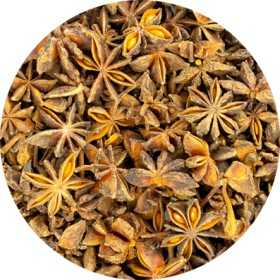
Star Anise - Anisi stell.
Star anise is a tree or shrub whose fruits serve as a spice. Originally from southern China and Vietnam, it is now also grown in Cambodia, Laos, Japan and the Philippines. Best known for its eight-armed fruits, this tree has been known as a spice in Europe since the 17th century, but is best known for its Asian flavor profile. Star anise thrives in warm tropical areas.
The fruits are often used whole or ground into an easily dosed powder. The spicy taste is not in the seeds, but in the lignified peel of the fruit. Star anise has an intense scent of anise due to the large amount of anethole in the essential oil. The taste of the fruit is richer and firmer than that of the anise plant.
The fruits are often used whole or ground into an easily dosed powder. The spicy taste is not in the seeds, but in the lignified peel of the fruit. Star anise has an intense scent of anise due to the large amount of anethole in the essential oil. The taste of the fruit is richer and firmer than that of the anise plant.
€6.00
From: €6.00
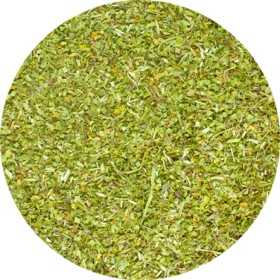
American Skullcap - Scutellaria lateriflora
Skullcap (Scutellaria) is a versatile genus of both annual and perennial plants, belonging to the Lamiaceae family. The genus includes about two hundred species, all of which are characterized by their characteristic, calyx-shaped flowers. These flowers are distinguished by clearly visible upper and lower lips. The name "Scutellaria" is derived from the Latin word "scutella", which means "small shield" or "saucer", and refers to the shape of the calyx.
€6.25
From: €6.25
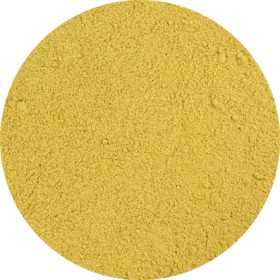
Chamomile - Matricaria recutita, Chamomillae europ.
Chamomile (Matricaria chamomilla, synonym Matricaria recutita) is an annual, aromatic plant from the Asteraceae family. Originally native to large parts of Europe, it is now widely cultivated, including in Hungary and several Eastern European countries.
Chamomile has a long cultural and historical background. In ancient Egypt, the plant was symbolically worshipped and associated with the sun god Ra. Throughout the centuries, chamomile has been frequently described in botanical and historical sources, contributing to its fame and spread.
Chamomile has a long cultural and historical background. In ancient Egypt, the plant was symbolically worshipped and associated with the sun god Ra. Throughout the centuries, chamomile has been frequently described in botanical and historical sources, contributing to its fame and spread.
€3.00
From: €3.00
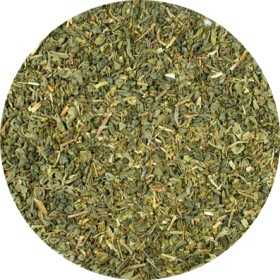
Green Tea Mint Herbal Tea
Herbal tea composed of various herbs
Delicious for every moment
Delicious for every moment
€4.95

A-C-D3 & Zinc
A combination of vitamins A, C, D3, and zinc that supplements your daily diet. This supplement contains nutrients that contribute to the normal functioning of the immune system, the maintenance of bones, teeth, skin, and muscles, and various metabolic processes. Suitable as part of a varied diet.
€35.95
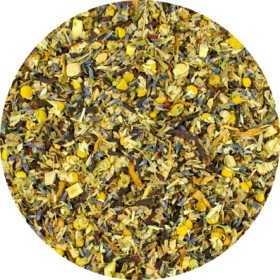
Relax Herbal Tea
Herbal tea composed of various herbs
Nice for a relaxing moment
Nice for a relaxing moment
€3.95
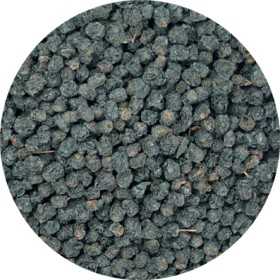
Aronia berry - Arnoia melanocarpa - Whole
Aronia berries, also known as black chokeberries, grow on compact bushes that reach a height of about 1 to 3 meters. The berries have a deep purple to black color and have long been used in various cultures.
The berries contain various natural plant compounds, including anthocyanins and polyphenols. These compounds contribute to the fruit's characteristic color and protect the seed inside. Compared to blueberries, aronia berries contain relatively high levels of anthocyanins.
Aronia berries are a popular ingredient in juices, teas, and jams, for example, because of their rich color and flavor.
The berries contain various natural plant compounds, including anthocyanins and polyphenols. These compounds contribute to the fruit's characteristic color and protect the seed inside. Compared to blueberries, aronia berries contain relatively high levels of anthocyanins.
Aronia berries are a popular ingredient in juices, teas, and jams, for example, because of their rich color and flavor.
€2.00
From: €2.00
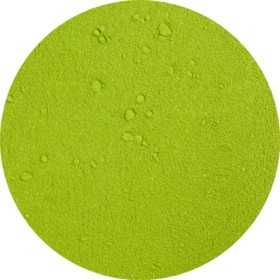
Moringa Tree - Moringa oleifera (Leaf Grounded)
Moringa oleifera, often called the "tree of life," is a plant native to parts of Africa and Asia. The leaves of the moringa tree contain various nutrients, such as vitamins, minerals, proteins, and antioxidants.
In many Asian and African cultures, moringa has been used for centuries as part of the daily diet. The leaves can be incorporated into meals or used as a supplement for their nutritional value.
In many Asian and African cultures, moringa has been used for centuries as part of the daily diet. The leaves can be incorporated into meals or used as a supplement for their nutritional value.
€3.20
From: €3.20
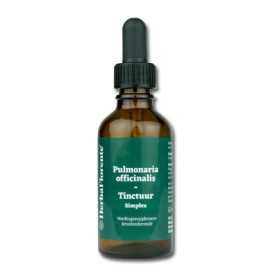
Lungwort Tincture - Pulmonaria officinalis Tinctuur
Single herbal tincture made with dried leaf of Pulmonaria officinalis (Lungwort).
Lungwort belongs to the genus Pulmonaria within the borage family (Boraginaceae). The botanical name is derived from the Latin word pulmo, meaning "lung." This name refers to the striking leaf markings of some species, such as spotted lungwort, which were once compared to the appearance of human lungs.
This association played an important role in the theory of signatures, a traditional doctrine in which it was believed that a plant's appearance provided clues to its intended use. Based on this line of thought, lungwort was historically used for conditions associated with the lungs.
Lungwort belongs to the genus Pulmonaria within the borage family (Boraginaceae). The botanical name is derived from the Latin word pulmo, meaning "lung." This name refers to the striking leaf markings of some species, such as spotted lungwort, which were once compared to the appearance of human lungs.
This association played an important role in the theory of signatures, a traditional doctrine in which it was believed that a plant's appearance provided clues to its intended use. Based on this line of thought, lungwort was historically used for conditions associated with the lungs.
€11.95
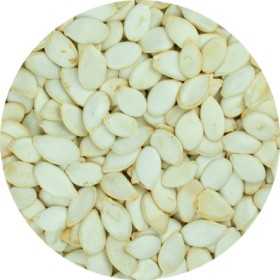
Pumpkin Seeds - Cucurbitae incortis
Pumpkin seeds are rich in nutrients and calories, with a particularly high fat content (especially linoleic acid and oleic acid), protein, dietary fiber and numerous micronutrients. Pumpkin seeds are a common ingredient in Mexican cuisine and are also roasted and served as a snack.
€2.00
From: €2.00
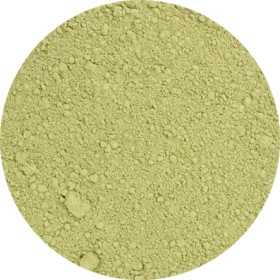
Dandelion (Herb & Root) - Taraxum officinale
Dandelion (Taraxacum officinale) is a plant that has been used for centuries in various cultures. Both the root and the aerial parts of the plant are used and are known for their versatile uses.
The young leaves of the dandelion are traditionally used in dishes such as salads, especially in spring. The yellow flowers can be used as decoration and are also suitable for drying and making into herbal tea.
Dandelions naturally contain various plant compounds, including bitter substances, flavonoids, and fatty acids. They are also a source of vitamins, such as B vitamins and vitamin C, and contain minerals such as calcium, magnesium, zinc, and manganese. Because of this composition, the dandelion is valued as an edible wild plant in herbal culture.
The young leaves of the dandelion are traditionally used in dishes such as salads, especially in spring. The yellow flowers can be used as decoration and are also suitable for drying and making into herbal tea.
Dandelions naturally contain various plant compounds, including bitter substances, flavonoids, and fatty acids. They are also a source of vitamins, such as B vitamins and vitamin C, and contain minerals such as calcium, magnesium, zinc, and manganese. Because of this composition, the dandelion is valued as an edible wild plant in herbal culture.
€2.40
From: €2.40
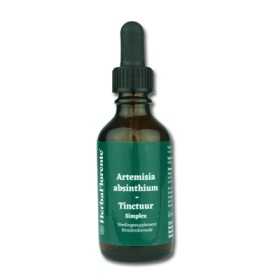
Wormwood Tincture - Artemisia absinthium Tincture
Single herbal tincture made with dried herb of Artemisia absinthium (Wormwood).
Wormwood (Artemisia absinthium) is a plant in the Asteraceae family. This species is listed on the Dutch Red List of Plants as relatively rare and moderately declining. It is a perennial plant that grows naturally in dry, calcareous, nitrogen-rich, and cultivated soils in temperate regions of Europe, Asia, and North Africa. The genus name Artemisia is derived from the Greek goddess of hunting, Artemis.
Wormwood (Artemisia absinthium) is a plant in the Asteraceae family. This species is listed on the Dutch Red List of Plants as relatively rare and moderately declining. It is a perennial plant that grows naturally in dry, calcareous, nitrogen-rich, and cultivated soils in temperate regions of Europe, Asia, and North Africa. The genus name Artemisia is derived from the Greek goddess of hunting, Artemis.
€10.95
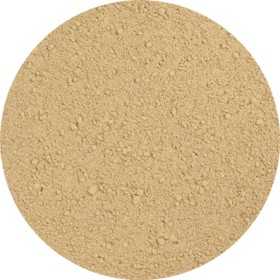
Rose Root - Rhodiola rosea
Out-of-Stock
Rhodiola rosea (Rhodiola rosea), also known as "golden root," is a succulent plant that grows naturally in cold, rocky regions around the world. The plant's roots have a distinctive scent reminiscent of roses.
Rhodiola rosea is traditionally used in various cultures and is incorporated into herbal preparations. The root naturally contains several plant compounds, including rosavin and salidroside. These compounds are part of the root's composition and contribute to the herb's characteristic properties.
Rhodiola rosea can be used in herbal teas and other herbal products and is prized for its natural origins and rich composition.
Rhodiola rosea is traditionally used in various cultures and is incorporated into herbal preparations. The root naturally contains several plant compounds, including rosavin and salidroside. These compounds are part of the root's composition and contribute to the herb's characteristic properties.
Rhodiola rosea can be used in herbal teas and other herbal products and is prized for its natural origins and rich composition.
€20.00
From: €20.00
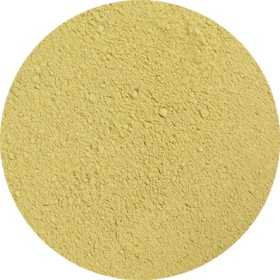
Red Clover - Trifolii Rubr. pratense
Red clover (Trifolium pratense) is a plant native to Europe and Central Asia. It is characterized by its compound leaves, which usually consist of three leaflets, and its light purple flower heads.
Red clover flower heads naturally contain various plant compounds, including isoflavones. Isoflavones belong to the polyphenol group and are part of the plant's natural composition. Red clover also contains vitamins such as vitamin C, B1, B2, B3, beta-carotene, and choline.
Red clover has a long history of use in various cultures and is now incorporated into a variety of herbal preparations, such as teas and other plant products.
Red clover flower heads naturally contain various plant compounds, including isoflavones. Isoflavones belong to the polyphenol group and are part of the plant's natural composition. Red clover also contains vitamins such as vitamin C, B1, B2, B3, beta-carotene, and choline.
Red clover has a long history of use in various cultures and is now incorporated into a variety of herbal preparations, such as teas and other plant products.
€3.20
From: €3.20
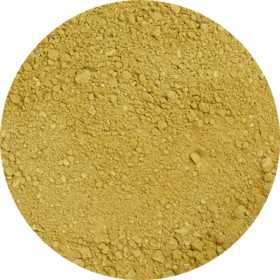
Ginkgo (Maidenhair tree) - Ginkgo bilobae
The Ginkgo biloba (Maidenhair tree), also known as the Japanese temple tree, is a unique deciduous tree with a very long history. The species has been mentioned for centuries in botanical and cultural sources from East Asia and is native to China.
Ginkgo biloba is unique within the plant kingdom and is considered a species with no direct relatives. For this reason, Charles Darwin called the ginkgo a "living fossil." The tree has existed for approximately 250 million years and has survived several mass extinctions. Today, it is planted worldwide as an ornamental and avenue tree.
Ginkgo biloba is unique within the plant kingdom and is considered a species with no direct relatives. For this reason, Charles Darwin called the ginkgo a "living fossil." The tree has existed for approximately 250 million years and has survived several mass extinctions. Today, it is planted worldwide as an ornamental and avenue tree.
€3.20
From: €3.20
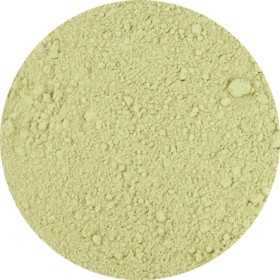
Marshmallow - Althaea officinalis
Marshmallow (Althaea officinalis) belongs to the mallow family (Malvaceae) and has been spread worldwide by human activity, especially to areas with suitable soil, humidity and climate.
The starch in the carrot, mixed with proteinaceous substances, was formerly used in making marshmallows and bacon. The leaves can be eaten cooked and the flowers can be used raw in salads.
The starch in the carrot, mixed with proteinaceous substances, was formerly used in making marshmallows and bacon. The leaves can be eaten cooked and the flowers can be used raw in salads.
€2.75
From: €2.75
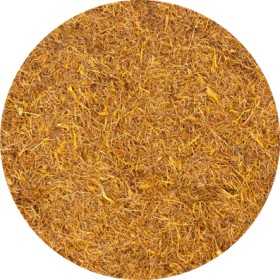
Corn Silk - Zea mays Conc.
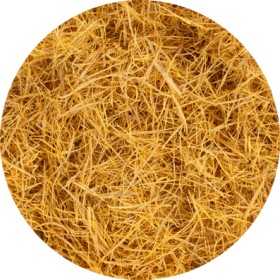
Corn hair, also called corn beard, consists of the fine stigmas of the corn plant. When fresh, these threads are green; after drying, they turn dark brown to black.
Cornflour is traditionally used in various herbal and food preparations. It is prized for its mild flavor and has long been used in various traditional applications.
Cornflour is traditionally used in various herbal and food preparations. It is prized for its mild flavor and has long been used in various traditional applications.
€2.00
From: €2.00
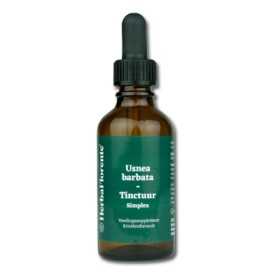
Old Man's Beard Tincture - Usnea barbata Tincture
Single herbal tincture made with dried herb of Usnea barbata (Old Man's Beard).
Usnea barbata, sometimes also called 'old man's beard', is a genus of lichens belonging to the ascomycetes. They are found in moist forests around the world, where they usually hang from tree branches. In rare cases they are also found on the bottom or on rocks. The genus belongs to the family of Parmeliaceae. Beard mosses are characterized by a shrub-like structure and a central axis from which branches arise. In areas free of air pollution they can grow 10 to 20 cm tall.
Usnea barbata, sometimes also called 'old man's beard', is a genus of lichens belonging to the ascomycetes. They are found in moist forests around the world, where they usually hang from tree branches. In rare cases they are also found on the bottom or on rocks. The genus belongs to the family of Parmeliaceae. Beard mosses are characterized by a shrub-like structure and a central axis from which branches arise. In areas free of air pollution they can grow 10 to 20 cm tall.
€9.95
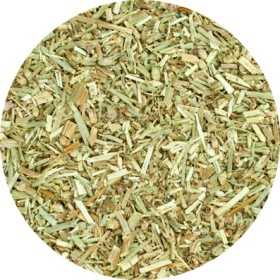
Chicory (Herb) - Cichorium Intybus
Chicory (Cichorium) belongs to the composite family (Compositae or Asteraceae) and includes well-known vegetables such as chicory and endive. It is mainly consumed for health reasons.
Since the late years of the twentieth century, chicory roots have been cultivated not only for chicory, but also for the production of inulin and sweeteners, especially fructose. Both inulin (a dietary fiber) and fructose are widely used in the food industry.
Roasted chicory root is used as a coffee substitute or as an ingredient in coffee brewing. In the past, this was done out of necessity, such as during the Napoleonic blockade during the French occupation.
Since the late years of the twentieth century, chicory roots have been cultivated not only for chicory, but also for the production of inulin and sweeteners, especially fructose. Both inulin (a dietary fiber) and fructose are widely used in the food industry.
Roasted chicory root is used as a coffee substitute or as an ingredient in coffee brewing. In the past, this was done out of necessity, such as during the Napoleonic blockade during the French occupation.
€2.00
From: €2.00
Eleutherococcus (Siberian Ginseng) - Eleutherococcus
Siberian ginseng (Eleutherococcus senticosus) is a shrubby plant native to parts of Russia, China, Korea, and Japan. The plant belongs to the Araliaceae family and is botanically related to, but distinct from, the better-known Panax species such as Korean ginseng (Panax ginseng) and American ginseng (Panax quinquefolius).
The roots of Siberian ginseng have long been mentioned in East Asian and Russian botanical literature. These historical and cultural sources describe the plant as part of traditional practices. This long history of use has also led to Siberian ginseng becoming known beyond its native range.
The roots of Siberian ginseng have long been mentioned in East Asian and Russian botanical literature. These historical and cultural sources describe the plant as part of traditional practices. This long history of use has also led to Siberian ginseng becoming known beyond its native range.
€2.80
From: €2.80
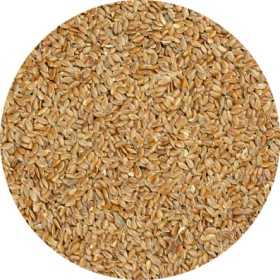
Lijnzaad - Linum usitatissimum
Flaxseed is a nutritious seed known for its rich composition of fatty acids and other natural components. It contains a high level of omega-3 fatty acids, of which approximately 55% consists of alpha-linolenic acid (ALA). In addition, approximately 20% of the fatty acid profile consists of omega-9 (oleic acid).
In addition to fatty acids, flaxseed also contains lignans (phytosterols), as well as tocopherols, carotenoids, and various minerals. This combination makes flaxseed a valuable plant-based food source.
According to the Netherlands Nutrition Centre, omega-3 fatty acids contribute to the maintenance of normal cardiovascular function when consumed as part of a varied and balanced diet.
In addition to fatty acids, flaxseed also contains lignans (phytosterols), as well as tocopherols, carotenoids, and various minerals. This combination makes flaxseed a valuable plant-based food source.
According to the Netherlands Nutrition Centre, omega-3 fatty acids contribute to the maintenance of normal cardiovascular function when consumed as part of a varied and balanced diet.
€2.00
From: €2.00
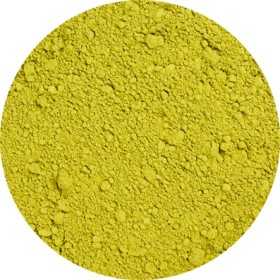
Damiana - Damianae mex. (Turnera diffusa) - Grounded
Damiana (Turnera diffusa) is a shrub native to southern Texas, Mexico, Central and South America, and the Caribbean. The plant belongs to the Passifloraceae family and is known for its aromatic leaves.
In Mexico and other parts of Latin America, damiana has been used for centuries in culinary and cultural traditions. The leaves are made into herbal teas and sometimes smoked, among other things. Damiana is also a traditional ingredient in Mexican liqueurs and is sometimes used in cocktails, such as margaritas, where it complements the flavor or replaces part of the liqueur.
Damiana leaves naturally contain various plant compounds, such as beta-sitosterol, arbutin, and various alkaloids.
In Mexico and other parts of Latin America, damiana has been used for centuries in culinary and cultural traditions. The leaves are made into herbal teas and sometimes smoked, among other things. Damiana is also a traditional ingredient in Mexican liqueurs and is sometimes used in cocktails, such as margaritas, where it complements the flavor or replaces part of the liqueur.
Damiana leaves naturally contain various plant compounds, such as beta-sitosterol, arbutin, and various alkaloids.
€4.40
From: €4.40
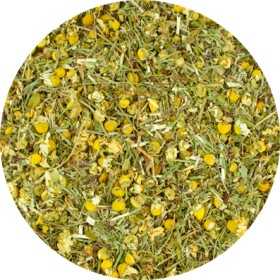
Bladder Herbal Tea
Herbal tea composed of various herbs
€3.95
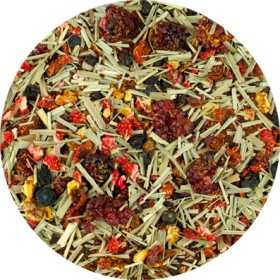
Fruits Herbal Tea
Herbal tea composed of various herbs
Delicious for every moment
Delicious for every moment
€3.95