


Trending
€57.50
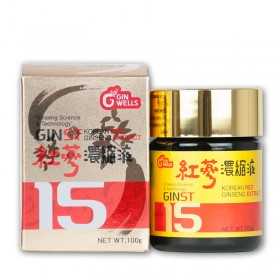
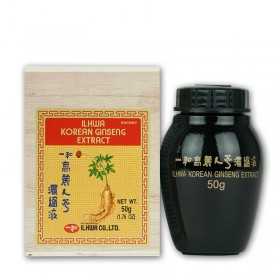
ILHWA GINST15 Korean Red Ginseng Extract
€61.46 €81.95 -25%
€62.50

€26.63 €35.50 -25%

€62.50
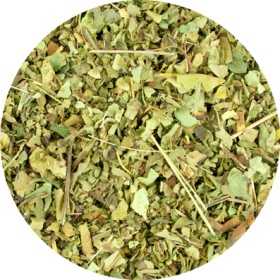
Lungwort - Pulmonaria officinalis
€5.91 €6.95 -15%
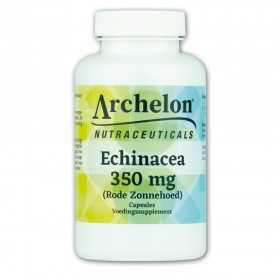
Echinacea (Red Coneflower) - 350 mg
€15.96 €19.95 -20%
€72.50

€54.95
€40.13 €53.50 -25%
Latest Blog

Best sellers
There are 394 products.
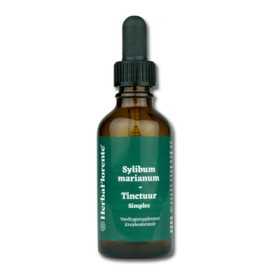
Milk Thistle Tincture - Sylibum marianum (Cardui Mariae) Tincture
Single herbal tincture made with dried seed of Sylibum marianum (Cardui Mariae) (Milk thistle).
Milk thistle, also known as milk thistle, is a spiny plant in the Asteraceae family. It originates in the Mediterranean region, but also grows in temperate regions such as the Netherlands and Belgium.
The plant is known for its striking, white-flecked leaves and purple flower heads. Milk thistle seeds contain natural compounds, including silymarin, a group of bioactive compounds considered antioxidants. Because of this composition, milk thistle is traditionally used in various food and herbal products.
Milk thistle, also known as milk thistle, is a spiny plant in the Asteraceae family. It originates in the Mediterranean region, but also grows in temperate regions such as the Netherlands and Belgium.
The plant is known for its striking, white-flecked leaves and purple flower heads. Milk thistle seeds contain natural compounds, including silymarin, a group of bioactive compounds considered antioxidants. Because of this composition, milk thistle is traditionally used in various food and herbal products.
€9.95
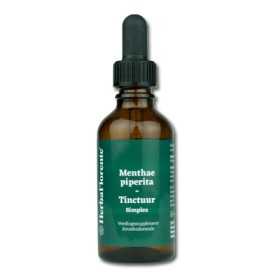
Peppermint Tincture - Menthae piperita Tincture
Single herbal tincture made with dried herb of Menthae piperita (Peppermint).
Peppermint oil is extracted from the leaves of the peppermint plant (Mentha piperita), a cross between water mint (Mentha aquatica) and spearmint (Mentha spicata). Peppermint belongs to the Lamiaceae family, which also includes other aromatic herbs such as basil and rosemary.
The plant was recognized as a distinct species in England in the 17th century and has been widely cultivated ever since. Peppermint naturally contains several essential oils, including menthol, menthone, and cineole, which together contribute to its characteristic fresh scent and flavor.
Peppermint oil is extracted from the leaves of the peppermint plant (Mentha piperita), a cross between water mint (Mentha aquatica) and spearmint (Mentha spicata). Peppermint belongs to the Lamiaceae family, which also includes other aromatic herbs such as basil and rosemary.
The plant was recognized as a distinct species in England in the 17th century and has been widely cultivated ever since. Peppermint naturally contains several essential oils, including menthol, menthone, and cineole, which together contribute to its characteristic fresh scent and flavor.
€11.95
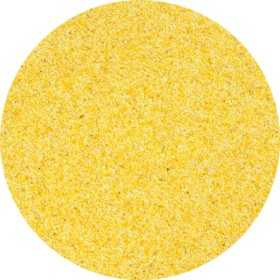
Garlic (Fine) - Allium sativi
Garlic (Allium sativum) belongs to the Alliaceae family and is one of the oldest cultivated plants in the world. The plant develops a leafy, round flower shaft from the bulb in spring. Garlic is prized worldwide for both its characteristic flavor and distinct aroma.
The use of garlic has a long history in various cultures. Since ancient times, the plant has been part of traditional cuisines and herbal lore. Its intense aroma makes garlic a common ingredient in a wide variety of dishes.
The use of garlic has a long history in various cultures. Since ancient times, the plant has been part of traditional cuisines and herbal lore. Its intense aroma makes garlic a common ingredient in a wide variety of dishes.
€2.00
From: €2.00
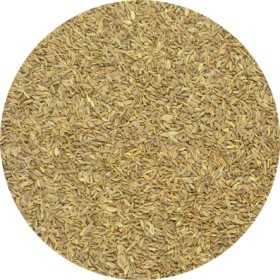
Dill - Anethum graveolens
Dill seed has a refreshing, spicy flavor reminiscent of anise and fennel, and it is more powerful in flavor than dill tops. Whole dill seeds retain their aroma and flavor longer than ground dill seeds. Our dried dill seed is completely natural and free of additives.
Dill is an indispensable seasoning in the kitchen and is often used for preserving vegetables, salmon, mayonnaise and potato salad. It is also delicious in bread, stews, salads, soups, on fish, peas, beans, carrots, pumpkin, beets and potatoes.
Dill is an indispensable seasoning in the kitchen and is often used for preserving vegetables, salmon, mayonnaise and potato salad. It is also delicious in bread, stews, salads, soups, on fish, peas, beans, carrots, pumpkin, beets and potatoes.
€2.50
From: €2.50
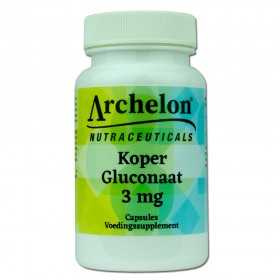
Copper gluconate - 3 mg
Copper is a chemical element and mineral that belongs to the group of essential trace elements. It occurs naturally in various foods and is present in small amounts in the human body. Because the body cannot produce copper itself, it is ingested through food or supplements.
Copper is found in various tissues and organs in the body, including the liver, brain, muscles, bones, kidneys, and heart. The element is part of the natural composition of various enzymes and proteins involved in diverse biochemical processes. Copper is also mentioned in scientific literature for its presence in enzyme complexes.
Copper is found in various tissues and organs in the body, including the liver, brain, muscles, bones, kidneys, and heart. The element is part of the natural composition of various enzymes and proteins involved in diverse biochemical processes. Copper is also mentioned in scientific literature for its presence in enzyme complexes.
€15.95
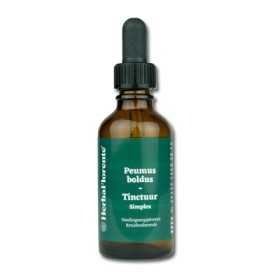
Boldo Tincture - Peumus boldus Tincture
Single herbal tincture made with dried leaf of Peumus boldus (Boldo).
Boldo (Peumus boldus) is an evergreen tree native to South America and other warmer regions, including Chile, Peru, Brazil, Ecuador, Argentina, and North Africa. It prefers sunny, dry locations and can reach a height of 8 meters and a width of 5 meters. Female trees produce drupes that were traditionally used as a spice.
Boldo leaves naturally contain various plant compounds, such as alkaloids, essential oils, flavonoids, and tannins. In Chile, the leaves have been mentioned in traditional customs for centuries and described in historical texts.
Boldo (Peumus boldus) is an evergreen tree native to South America and other warmer regions, including Chile, Peru, Brazil, Ecuador, Argentina, and North Africa. It prefers sunny, dry locations and can reach a height of 8 meters and a width of 5 meters. Female trees produce drupes that were traditionally used as a spice.
Boldo leaves naturally contain various plant compounds, such as alkaloids, essential oils, flavonoids, and tannins. In Chile, the leaves have been mentioned in traditional customs for centuries and described in historical texts.
€10.95
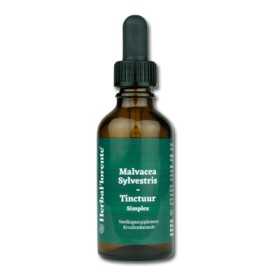
Mallow Large Tincture - Malvaceae Sylvestris Tincture
Single herbal tincture made with dried flower of Malvaceae Sylvestris (Mallow Large).
Mallow (Malva) is a genus of herbaceous plants in the Malvaceae family. It comprises approximately thirty species found in temperate, subtropical, and tropical regions of Africa and Eurasia.
The flowers and leaves of mallow are highly recognizable and traditionally valued in various cultures. The plant produces mucilaginous substances, which were historically mentioned in botanical and folklore sources.
The fruit of the mallow is a schizocarp and owes its name to its flat, rounded shape, which resembles a small cheese. This fruit contains contiguous seeds and is a characteristic botanical element of the genus.
Mallow (Malva) is a genus of herbaceous plants in the Malvaceae family. It comprises approximately thirty species found in temperate, subtropical, and tropical regions of Africa and Eurasia.
The flowers and leaves of mallow are highly recognizable and traditionally valued in various cultures. The plant produces mucilaginous substances, which were historically mentioned in botanical and folklore sources.
The fruit of the mallow is a schizocarp and owes its name to its flat, rounded shape, which resembles a small cheese. This fruit contains contiguous seeds and is a characteristic botanical element of the genus.
€13.95
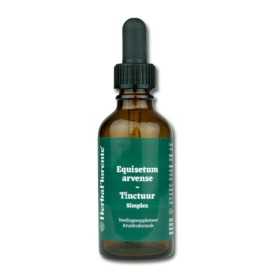
Horsetail Tincture - Equisetum arvense Tincture
Single herbal tincture made with dried herb of Equisetum arvense (Horsetail).
Horsetail (Equisetum arvense), also known as horsetail because of its characteristic appearance, belongs to the horsetail family (Equisetaceae). The plant is common in Europe and grows in a variety of locations, such as meadows, along roads, on fallow land, and on slopes.
Horsetail is one of the oldest plant species on earth, having existed for approximately 390 million years. The plant is distinguished by its deep root system, which allows it to absorb nutrients from deeper soil layers. As a result, horsetail naturally contains various plant compounds, including minerals, fiber, and silicon.
Horsetail (Equisetum arvense), also known as horsetail because of its characteristic appearance, belongs to the horsetail family (Equisetaceae). The plant is common in Europe and grows in a variety of locations, such as meadows, along roads, on fallow land, and on slopes.
Horsetail is one of the oldest plant species on earth, having existed for approximately 390 million years. The plant is distinguished by its deep root system, which allows it to absorb nutrients from deeper soil layers. As a result, horsetail naturally contains various plant compounds, including minerals, fiber, and silicon.
€12.95
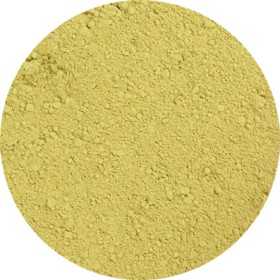
Thyme - Thymii vulgaris
Thyme is a herb valued in both cooking and traditional applications. It is recognizable by its distinctive aroma and can be used in teas, spice blends, syrups, or as a seasoning in dishes.
Thyme grows naturally in Europe, Asia, and Africa, forming hardy shrubs approximately 40 centimeters tall. The herb thrives in dry and stony soils. Both the leaves and flowers of thyme contain various plant compounds, including essential oils and flavonoids.
Thyme was used by the Greeks and Romans since ancient times, primarily for its aroma and culinary uses. Today, thyme is still valued for its fragrance and flavor.
Thyme grows naturally in Europe, Asia, and Africa, forming hardy shrubs approximately 40 centimeters tall. The herb thrives in dry and stony soils. Both the leaves and flowers of thyme contain various plant compounds, including essential oils and flavonoids.
Thyme was used by the Greeks and Romans since ancient times, primarily for its aroma and culinary uses. Today, thyme is still valued for its fragrance and flavor.
€2.20
From: €2.20
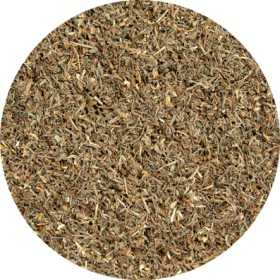
Long Leaved Sundew - Droserae longifolia
The long sundew (Drosera longifolia) is a perennial carnivorous plant belonging to the sundew family (Droseraceae).
The plant grows to a height of 5-20 cm and forms a rosette of leaves. The leaves have long stems and are upright, oblong to lanceolate, with the widest point above the center. They are covered with numerous red, sticky tentacles containing glandular tissue. These tentacles catch small insects such as Simuliidae. Once an insect touches the tentacles, the leaf coils around the insect and secretes digestive enzymes. The released nutrients, including nitrogen, are absorbed by the plant.
The plant grows to a height of 5-20 cm and forms a rosette of leaves. The leaves have long stems and are upright, oblong to lanceolate, with the widest point above the center. They are covered with numerous red, sticky tentacles containing glandular tissue. These tentacles catch small insects such as Simuliidae. Once an insect touches the tentacles, the leaf coils around the insect and secretes digestive enzymes. The released nutrients, including nitrogen, are absorbed by the plant.
€5.40
From: €5.40
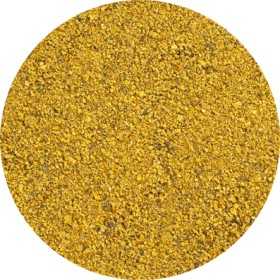
Juniper Berries - Juniper communis
The juniper (Juniperus communis) is a conifer native to Europe, Asia, and North America. The plant bears both flowers and berries, which vary in color from green to black as they ripen. The name Juniperus derives from the Celtic word juneprus, meaning rough, prickly, or bitter, while communis means "common."
The black berries of the juniper have a characteristically bitter and aromatic flavor. It takes about three years for the berries to fully ripen: in the first year, the flowers appear, in the second year they turn green, and in the third year they turn blue and then black or dark purple.
The black berries of the juniper have a characteristically bitter and aromatic flavor. It takes about three years for the berries to fully ripen: in the first year, the flowers appear, in the second year they turn green, and in the third year they turn blue and then black or dark purple.
€2.60
From: €2.60

Milk Thistle - 450 mg
Milk thistle (Silybum marianum), also known as milk thistle, is a spiny plant from the Asteraceae family that is native to the Mediterranean region but also grows in other parts of Europe. The plant is best known for its characteristic purple-pink flowers and spotted leaves.
The seeds of the milk thistle are primarily used for supplements. These seeds naturally contain silymarin, a complex of flavonolignans found naturally in this plant. Silymarin is a plant compound often used in dietary supplements based on herbal extracts.
The seeds of the milk thistle are primarily used for supplements. These seeds naturally contain silymarin, a complex of flavonolignans found naturally in this plant. Silymarin is a plant compound often used in dietary supplements based on herbal extracts.
€17.95
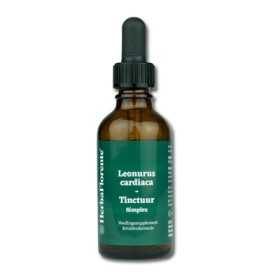
Heartwort Tincture - Leonurus cardiaca Tincture
Single herbal tincture made with dried herb of Leonurus cardiaca (Heartwort).
Heartwort (Leonurus cardiaca) is a fragrant perennial plant that belongs to the Lamiaceae family. Originating in Central Asia, this plant has spread throughout the world.
The leaves are suitable for seasoning pea and lentil soup, and were also used in the past to brew beer.
The plant grows to a height of 30-90 cm and forms rhizomes and square stems with scattered hairs. The leaves, which are medium green in color, have three to seven lobes and are downy hairy on the underside.
Heartwort (Leonurus cardiaca) is a fragrant perennial plant that belongs to the Lamiaceae family. Originating in Central Asia, this plant has spread throughout the world.
The leaves are suitable for seasoning pea and lentil soup, and were also used in the past to brew beer.
The plant grows to a height of 30-90 cm and forms rhizomes and square stems with scattered hairs. The leaves, which are medium green in color, have three to seven lobes and are downy hairy on the underside.
€10.95
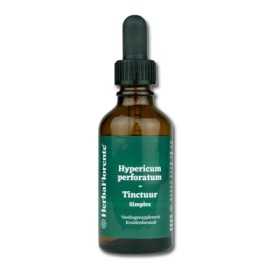
St. John's Wort Tincture - Hypericum perforatum Tincture
Single herbal tincture made with dried herb of Hypericum perforatum (St John's wort).
St. John's wort (Hypericum perforatum) is a plant that has been used for centuries in European herbal medicine. Its use dates back to the time of the Ancient Greeks. Traditionally, it is harvested between June 21st and 24th, the feast of St. John's Day, in both pagan and Christian traditions.
The plant contains bioflavonoids, tannins, and essential oils. In folk medicine, St. John's wort is used in oils, tinctures, or supplements.
St. John's wort (Hypericum perforatum) is a plant that has been used for centuries in European herbal medicine. Its use dates back to the time of the Ancient Greeks. Traditionally, it is harvested between June 21st and 24th, the feast of St. John's Day, in both pagan and Christian traditions.
The plant contains bioflavonoids, tannins, and essential oils. In folk medicine, St. John's wort is used in oils, tinctures, or supplements.
€10.95
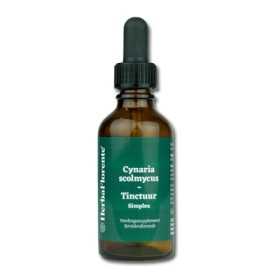
Artichoke Tincture - Cynaria scolmycus Tincture
Single herbal tincture made with dried leaf of Cynaria scolmycus (Artichoke).
The artichoke is a plant native to the Mediterranean region. The green or purple flower buds are often eaten as a vegetable and are known for their slightly bitter, aromatic flavor. The plant has been used for centuries in various cuisines and preparations.
Artichokes contain a wide range of nutrients and phytonutrients. They contain beta-carotene, vitamin C, vitamin B, and minerals such as calcium, magnesium, and potassium. They also contain flavonoids, enzymes, and tannins, which contribute to the characteristic color and flavor of the flower buds.
Thanks to their rich flavor and unique texture, artichokes are popular in salads, soups, pastas, and various culinary dishes.
The artichoke is a plant native to the Mediterranean region. The green or purple flower buds are often eaten as a vegetable and are known for their slightly bitter, aromatic flavor. The plant has been used for centuries in various cuisines and preparations.
Artichokes contain a wide range of nutrients and phytonutrients. They contain beta-carotene, vitamin C, vitamin B, and minerals such as calcium, magnesium, and potassium. They also contain flavonoids, enzymes, and tannins, which contribute to the characteristic color and flavor of the flower buds.
Thanks to their rich flavor and unique texture, artichokes are popular in salads, soups, pastas, and various culinary dishes.
€9.95
Kumis Kutjing - Cat's whiskers - Orthosiphon aristatus
Cat's whiskers (Orthosiphon aristatus), also known as Kumis Kutjing, is a plant traditionally used in various Asian herbal traditions. The species belongs to the Lamiaceae family and is native to tropical and subtropical regions, particularly Southeast Asia, including Malaysia and Java.
The plant prefers moist habitats, such as wetlands, riverbanks, and swampy areas. Cat's whiskers are particularly recognizable by their white to pale lilac flowers with conspicuously long, thread-like stamens that can grow up to approximately three centimeters long. These characteristics have led to the Dutch name "kattensnor" (cat's whiskers).
The plant prefers moist habitats, such as wetlands, riverbanks, and swampy areas. Cat's whiskers are particularly recognizable by their white to pale lilac flowers with conspicuously long, thread-like stamens that can grow up to approximately three centimeters long. These characteristics have led to the Dutch name "kattensnor" (cat's whiskers).
€2.30
From: €2.30
Bitterhout - Quassiae
Bitterwood, known in Suriname as kwasibita, is the heartwood of Quassia amara, a plant species in the Quassia genus, belonging to the Simaroubaceae family. The plant is native to tropical South America.
Quassia amara is a small, evergreen shrub found in regions including the Guyanas, northern Brazil, and Venezuela. The plant grows primarily in the rainforest understory. Its striking bright red flowers, which are primarily pollinated by hummingbirds, are a striking feature. Because of these decorative flowers, the plant is also cultivated outside its natural habitat as an ornamental.
Quassia amara is a small, evergreen shrub found in regions including the Guyanas, northern Brazil, and Venezuela. The plant grows primarily in the rainforest understory. Its striking bright red flowers, which are primarily pollinated by hummingbirds, are a striking feature. Because of these decorative flowers, the plant is also cultivated outside its natural habitat as an ornamental.
€2.80
From: €2.80
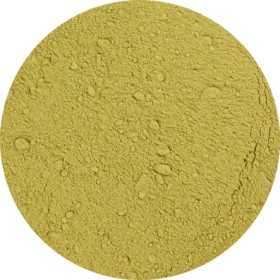
Bearberry - Arctostaphylos uva-ursi
The bearberry (Arctostaphylos uva-ursi) is a low-growing, evergreen plant in the heather family (Ericaceae). The Dutch name "berendruif" (bear grape) refers to an old folk belief that bears enjoy eating the fruit of this plant.
The scientific name is a tautology, composed of both Greek and Latin words. Arktos (Greek) and ursus (Latin) both mean "bear," while staphyle and uva both mean "grape." The name thus emphasizes the same meaning twice.
Bearberry has been mentioned in historical herbals since the Middle Ages and is part of the European herbal tradition. Within this context, the plant was described and valued for its special place in traditional use.
The scientific name is a tautology, composed of both Greek and Latin words. Arktos (Greek) and ursus (Latin) both mean "bear," while staphyle and uva both mean "grape." The name thus emphasizes the same meaning twice.
Bearberry has been mentioned in historical herbals since the Middle Ages and is part of the European herbal tradition. Within this context, the plant was described and valued for its special place in traditional use.
€2.40
From: €2.40
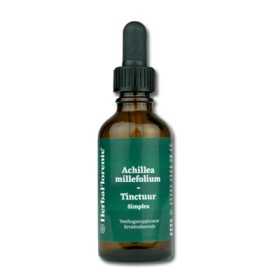
Yarrow Tincture - Achillea millefolium Tincture
Single herbal tincture made with dried herb of Achillea millefolium (Yarrow).
Yarrow (Achillea millefolium) is a herbaceous plant in the daisy family (Asteraceae). It is a hardy perennial species common in the Netherlands and other parts of Europe. The plant is recognizable by its finely divided, feathery leaves and small flower heads, which are usually white but sometimes have a light pink tinge.
Yarrow has a long history and has been described in botanical and historical sources for centuries. The plant is named after the Greek hero Achilles, who, according to tradition, used yarrow, contributing to the herb's fame in classical antiquity.
Yarrow (Achillea millefolium) is a herbaceous plant in the daisy family (Asteraceae). It is a hardy perennial species common in the Netherlands and other parts of Europe. The plant is recognizable by its finely divided, feathery leaves and small flower heads, which are usually white but sometimes have a light pink tinge.
Yarrow has a long history and has been described in botanical and historical sources for centuries. The plant is named after the Greek hero Achilles, who, according to tradition, used yarrow, contributing to the herb's fame in classical antiquity.
€11.95
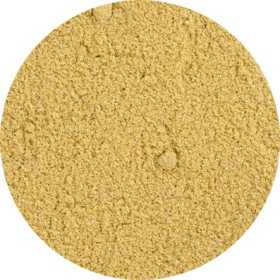
Coriander - Coriandrum sativum
Coriander seeds have been used for thousands of years in various cultures and cuisines worldwide. Traditionally, the seeds are part of spice blends and are prized for their warm, slightly citrusy, and spicy aroma. This long-standing use has led to coriander seeds holding a permanent place in both culinary and traditional herbal practices to this day.
Coriander (Coriandrum sativum) is a versatile plant, with both the leaves and seeds used. The seeds are distinguished by their specific composition and concentrated aromatic compounds. They naturally contain various vitamins and minerals, including vitamins A, C, and K, folic acid, and minerals such as iron, manganese, potassium, magnesium, and calcium.
Coriander (Coriandrum sativum) is a versatile plant, with both the leaves and seeds used. The seeds are distinguished by their specific composition and concentrated aromatic compounds. They naturally contain various vitamins and minerals, including vitamins A, C, and K, folic acid, and minerals such as iron, manganese, potassium, magnesium, and calcium.
€2.00
From: €2.00
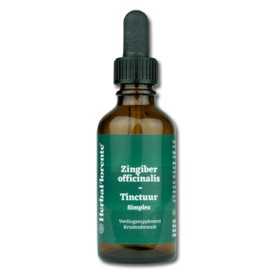
Ginger Tincture - Zingiber officinalis Tincture
Single herbal tincture made with dried root of Zingiber officinalis (Ginger).
Ginger comes from the root of the ginger plant (Zingiber officinale) and is used worldwide as a spice for its characteristic flavor. The root contains natural compounds such as gingerol, shogaol, and zingiberene, which contribute to ginger's characteristic aromas and flavors.
Ginger is a versatile plant used in cuisines around the world, both fresh and dried, and can be incorporated into teas, spice blends, or dishes.
Ginger comes from the root of the ginger plant (Zingiber officinale) and is used worldwide as a spice for its characteristic flavor. The root contains natural compounds such as gingerol, shogaol, and zingiberene, which contribute to ginger's characteristic aromas and flavors.
Ginger is a versatile plant used in cuisines around the world, both fresh and dried, and can be incorporated into teas, spice blends, or dishes.
€10.95
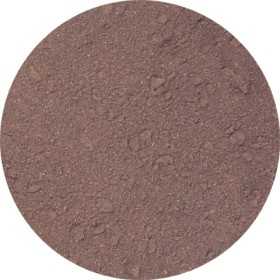
Aronia berry - Arnoia melanocarpa
Aronia berries, also known as black chokeberries, grow on compact bushes that reach a height of about 1 to 3 meters. The berries have a deep purple to black color and have long been used in various cultures.
The berries contain various natural plant compounds, including anthocyanins and polyphenols. These compounds contribute to the fruit's characteristic color and protect the seed inside. Compared to blueberries, aronia berries contain relatively high levels of anthocyanins.
Aronia berries are a popular ingredient in juices, teas, and jams, for example, because of their rich color and flavor.
The berries contain various natural plant compounds, including anthocyanins and polyphenols. These compounds contribute to the fruit's characteristic color and protect the seed inside. Compared to blueberries, aronia berries contain relatively high levels of anthocyanins.
Aronia berries are a popular ingredient in juices, teas, and jams, for example, because of their rich color and flavor.
€2.50
From: €2.50
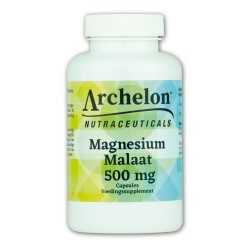
Magnesium Malate - 500 mg
Magnesium malate is an organic form of magnesium bound to malic acid (malate). This compound is widely used in dietary supplements due to its chemical stability and composition. Malic acid is a substance naturally found in fruits and plays a role in various biochemical processes.
Magnesium is an essential mineral found in all cells of the body. It contributes to normal energy-yielding metabolism and supports the normal functioning of muscles and the nervous system. Magnesium also contributes to proper electrolyte balance and normal protein synthesis. The mineral also plays a role in normal psychological function and normal cell division.
Magnesium is an essential mineral found in all cells of the body. It contributes to normal energy-yielding metabolism and supports the normal functioning of muscles and the nervous system. Magnesium also contributes to proper electrolyte balance and normal protein synthesis. The mineral also plays a role in normal psychological function and normal cell division.
€25.95

Vitamin C (Sodium Ascorbic Acid) - 625 mg
Vitamin C (ascorbic acid) is the pure form of vitamin C. There are also buffered forms of ascorbic acid, which are generally more easily tolerated by the gastrointestinal tract. Vitamin C is a water-soluble vitamin found naturally in various fruits and vegetables, such as citrus fruits, kiwi, bell peppers, and broccoli. Vitamin C is often added to dietary supplements in powder, tablet, or capsule form to supplement daily intake.
€17.95